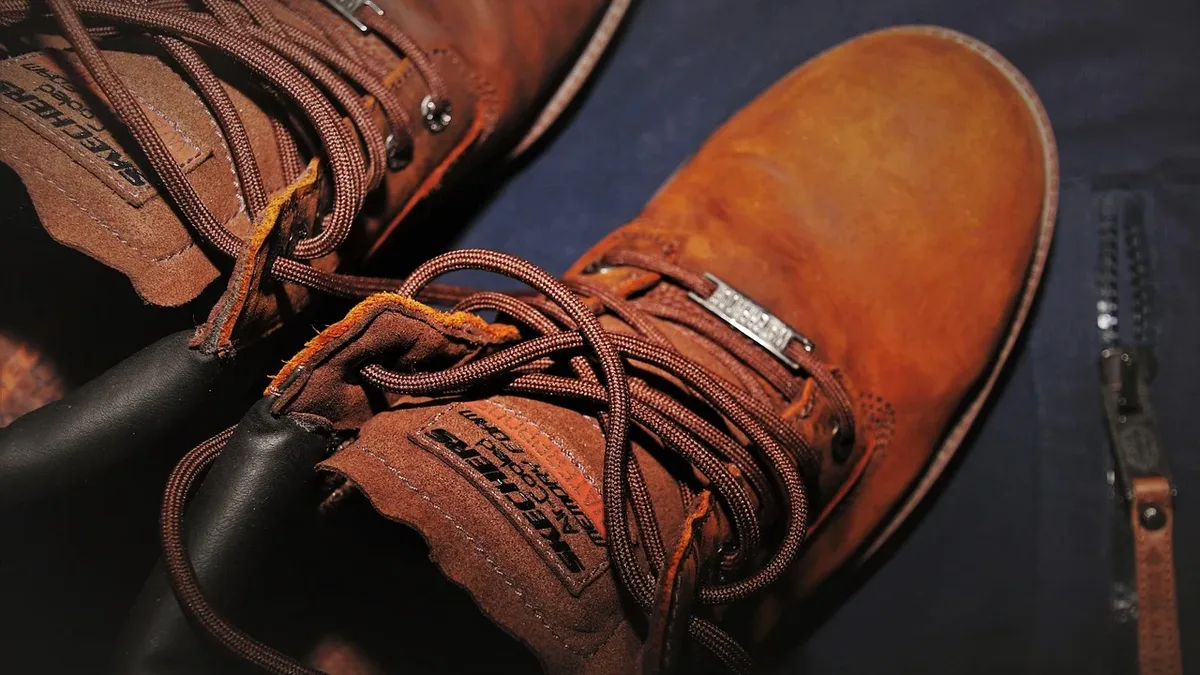
Motorcycle Boots
| Material | Leather or synthetic textile |
|---|---|
| Closure | Lace, zipper, or buckle system |
| Protection | Reinforced toe, heel, and ankle |
| Height | Typically calf-length or higher |
| Sole | Oil-resistant, non-slip rubber |
| Weatherproofing | Often waterproof or water-resistant |
| Certification | May include CE or motorcycle-specific safety ratings |
Motorcycle Boots price
Motorcycle boot prices vary significantly based on construction materials, protective features, and intended use. Entry-level boots designed for casual riding or short trips are typically the most affordable category. Mid-range boots, which often include reinforced ankle protection, better waterproofing, and more durable outer materials, represent a common price point for regular riders. High-end boots for sport, adventure, or racing use incorporate advanced materials like full-grain leather, titanium sliders, and complex hinge systems, commanding premium prices. Waterproof and breathable membrane technologies, such as Gore-Tex, also increase cost. Prices are stable within these tiers, with fluctuations typically tied to model year closeouts or specific retailer sales rather than frequent changes.
Motorcycle Boots specs
Key specifications for motorcycle boots focus on protection, materials, and closure systems. The outer shell is commonly constructed from leather, textile, or a combination of both, with full-grain leather offering high abrasion resistance. Protective features include integrated ankle cups, reinforced toe and heel boxes, and malleolus protection. Many boots incorporate impact-absorbing materials like dense foam or plastic plates along the shin, ankle, and sole. Closure is achieved via laces, zippers, hook-and-loop straps, or ratcheting buckles, often in combination for security and adjustability. The sole is a critical spec, with oil-resistant rubber compounds and a design that provides grip on both pavement and footpegs. Additional specs may note the presence of a waterproof and breathable liner, ventilation zones, and compatibility with aftermarket toe sliders.
Best Motorcycle Boots
Determining the best motorcycle boot is entirely dependent on the specific riding discipline and rider priorities. For sport and track riding, the best boots prioritize maximum protection with features like external ankle sliders, rigid shin plates, and a pre-curved design for a riding posture. In adventure touring, the best models offer robust waterproofing, substantial sole support for walking, and durable construction for off-road impacts. Cruiser and standard street riders often favor boots that balance protection with all-day comfort and a more casual aesthetic, sometimes with shorter heights. For commuters and urban riders, the best boots may emphasize easy on-and-off access, discrete protection, and weatherproofing. There is no single best boot across all categories, as the design compromises for one discipline, such as walkability, directly conflict with the needs of another, like track-level rigidity.
Motorcycle Boots reviews
Long-term owner reviews consistently highlight durability, comfort break-in periods, and real-world weather performance as key insights. Reviews of touring boots frequently assess how the waterproof lining holds up after repeated soaking and drying cycles, and whether seams eventually leak. Sport boot reviews often note the effectiveness of the armor in low-speed tip-overs and the wear rate of slider pucks. A common point in reviews across styles is the break-in time, with many boots requiring several rides to become comfortable, while some remain stiff indefinitely. Negative reviews frequently cite premature failure of zippers, degradation of hook-and-loop strap adhesion, or soles that wear down too quickly. Positive reviews typically praise boots that offer a successful balance of protection and daily usability, surviving years of regular use without significant failure.
Pros and cons
A significant pro of dedicated motorcycle boots is their specialized protection, which includes abrasion-resistant materials and impact absorption in areas standard footwear completely neglects, like the ankles and shins. They also provide improved grip on footpegs and pavement due to their specific sole compounds and patterns. A primary con is that many high-protection boots, particularly race and sport models, are intentionally rigid and can be uncomfortable for extended walking, making them impractical for riders whose trip involves significant time off the bike. Another common con is that waterproof boots, while excellent in rain, often lack breathability in hot weather, leading to discomfort. Riders frequently regret choosing a boot based solely on style or low price, later finding it lacks the necessary protection or fails to keep water out. The most common mistake is opting for a tall, stiff adventure boot for purely street-focused riding, resulting in unnecessary discomfort and difficulty shifting.
Who it suits
Motorcycle boots suit any rider who prioritizes injury prevention, as they are a fundamental component of protective gear. Sport and race boots suit riders who frequent twisty roads or track days, where the risk of high-speed slides and impacts is elevated. Adventure touring boots suit riders embarking on long-distance, multi-surface journeys where weather resistance, off-bike mobility, and debris protection are required. Cruiser-style boots suit riders who want integrated protection while maintaining a traditional aesthetic, often favoring shorter heights and easier walkability. Commuters and urban riders suit boots that offer quick donning, discrete armor, and reliable weatherproofing for daily, practical use. Ultimately, a specific motorcycle boot suits a rider whose primary riding activity aligns with the boot's designed compromise between protection, comfort, and specialized function.
Latest Motorcycle Boots news
Latest reporting
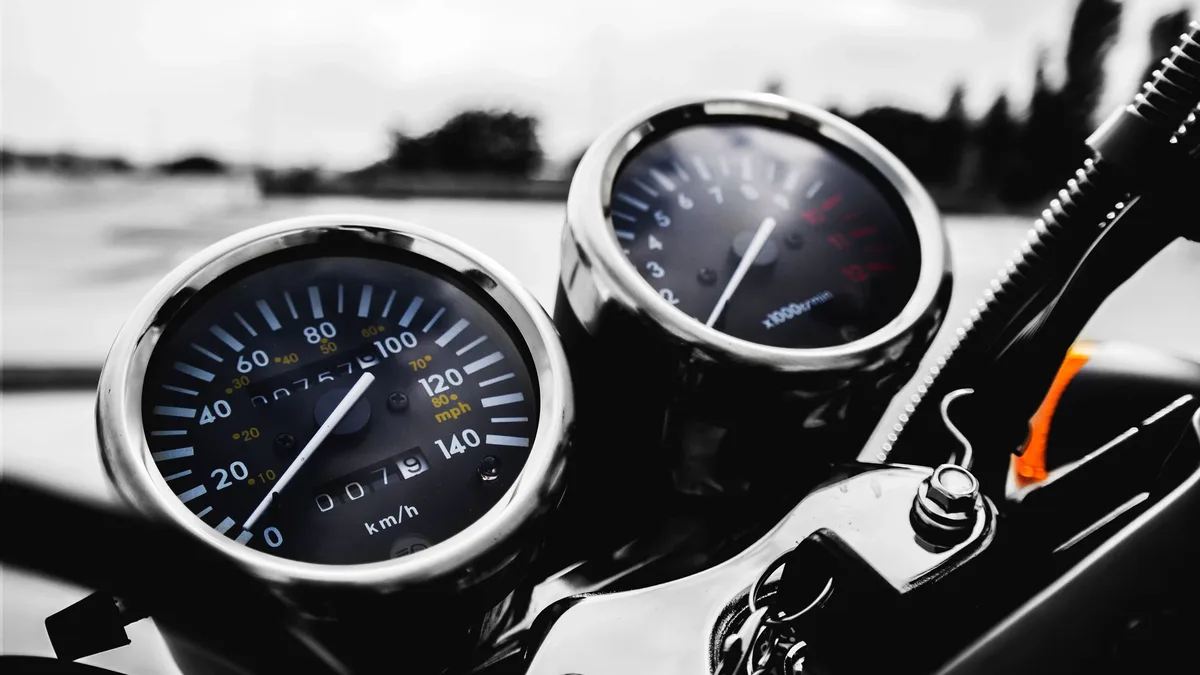
2026 Bonneville Speed Trials Shatter Records
Improved salt conditions at the 2026 Bonneville Motorcycle Speed Trials, held August 23-27, led to eight new FIM Land Speed World Records.
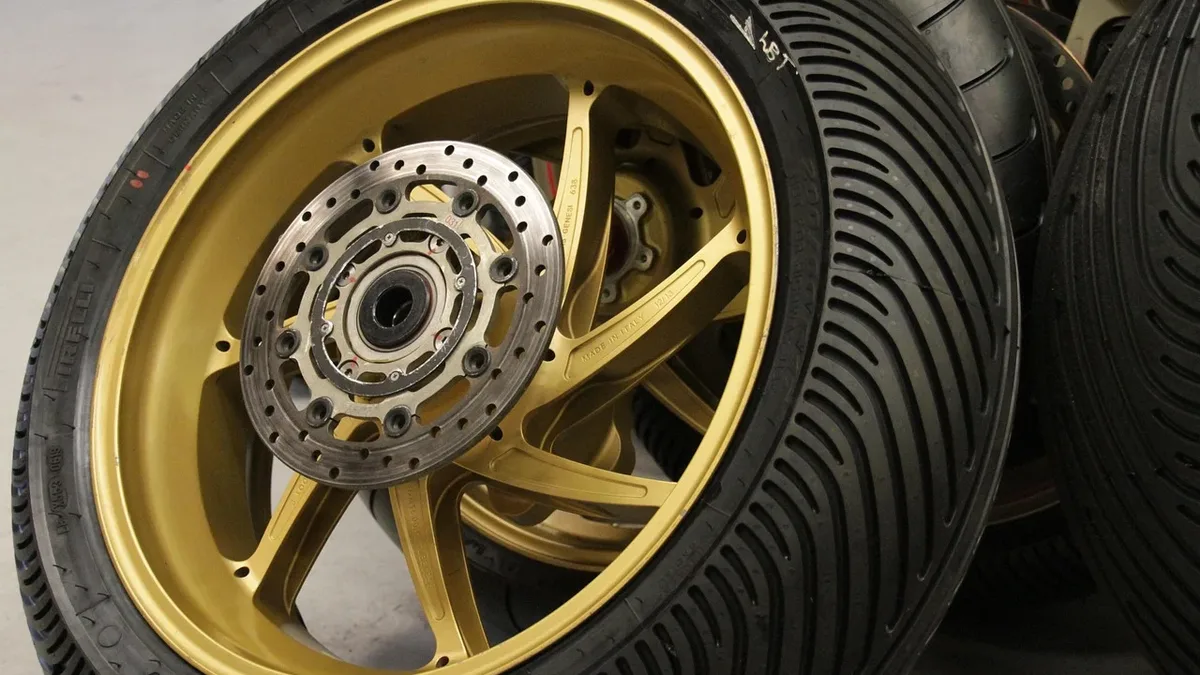
Dymag's Carbon Wheel Revival
British wheel manufacturer Dymag has resumed production of carbon motorcycle wheels using a new manufacturing technique.
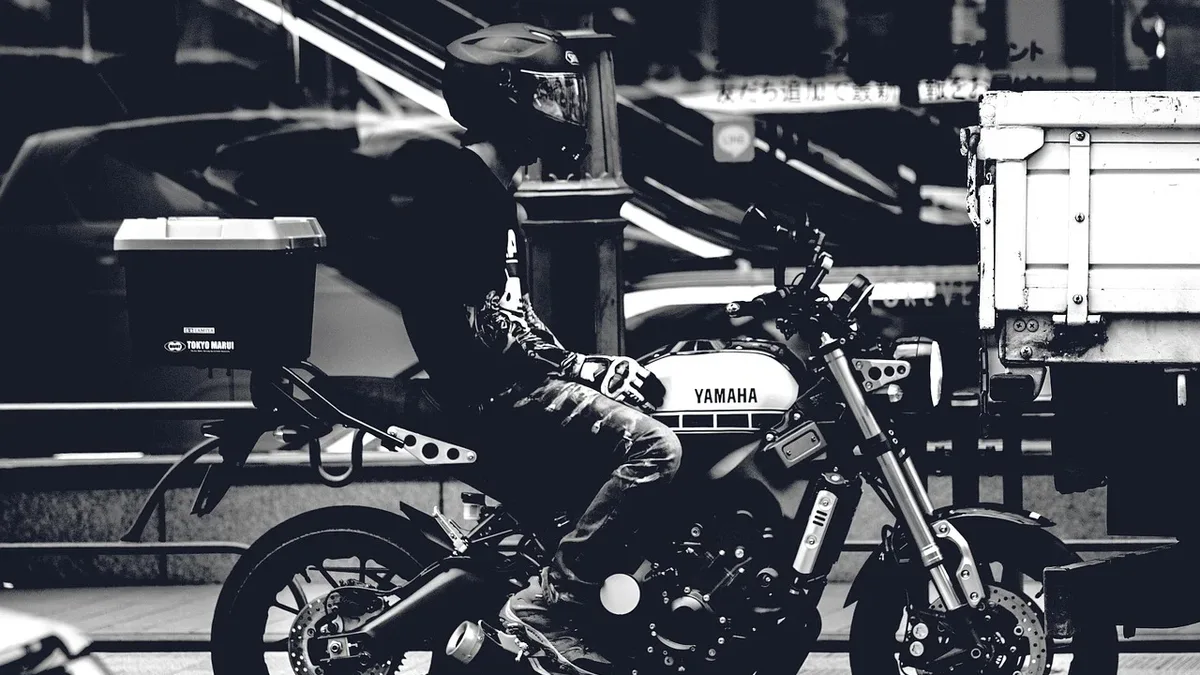
Yamaha UK launches new finance deals
Yamaha UK has launched a series of new finance and purchase offers across its motorcycle range, including low-rate finance deals and direct cash
Famous Faces at 2026 Manx GP and Classic TT
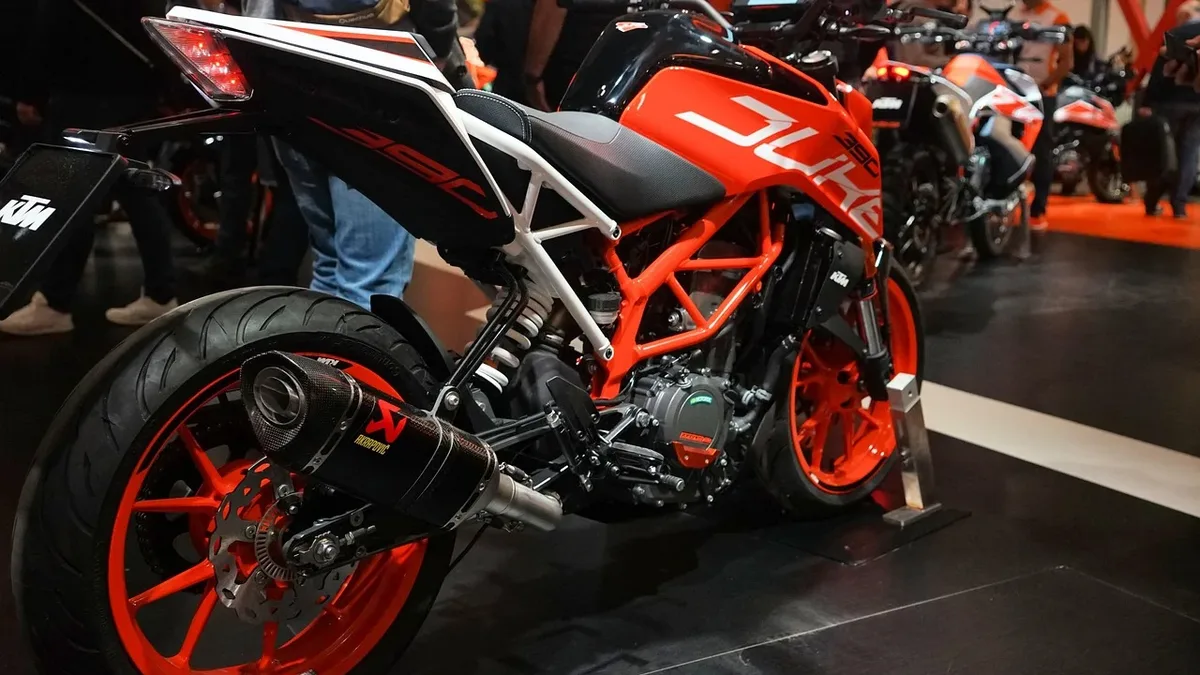
Motorcycle racing legends attended the 103rd Anniversary Manx Grand Prix and 2026 Classic TT Races, as listed by Stevie Rial for Roadracing News.
Ducati Sees Opportunity in 2027 MotoGP Rules
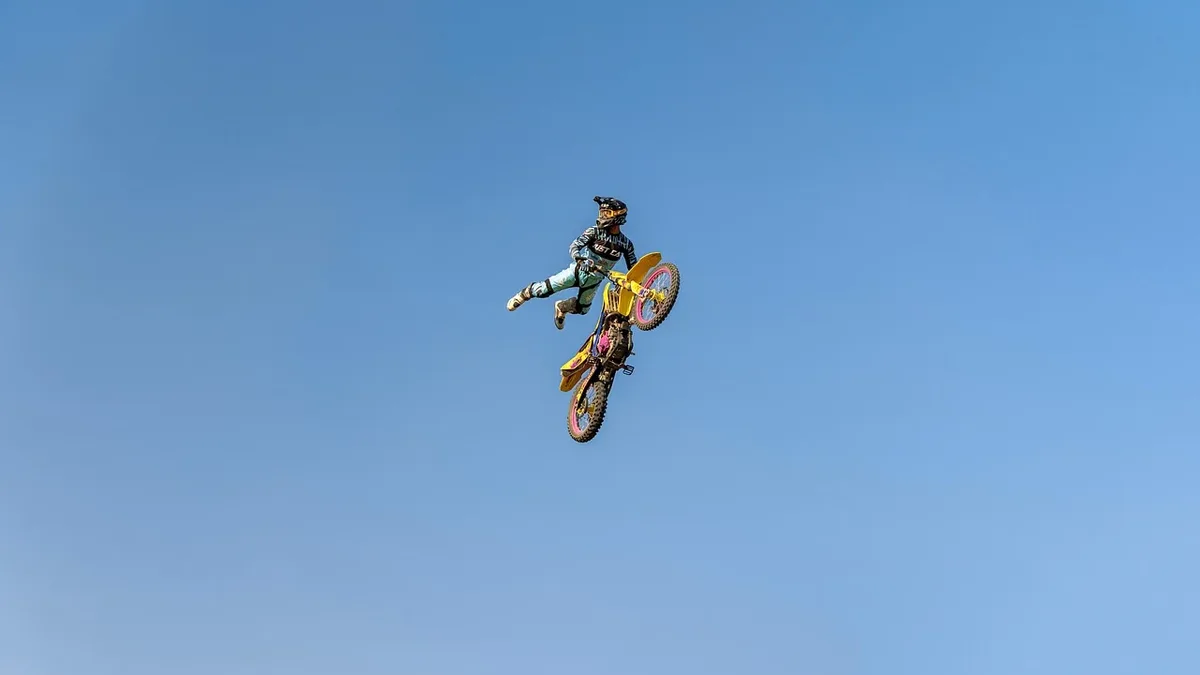
Ducati's Gigi Dall’Igna is excited about the new opportunities presented by MotoGP's 2027 technical changes, which will require an almost completely...
Stunt Rider Rick English Reveals Favourite Kawasaki Bike
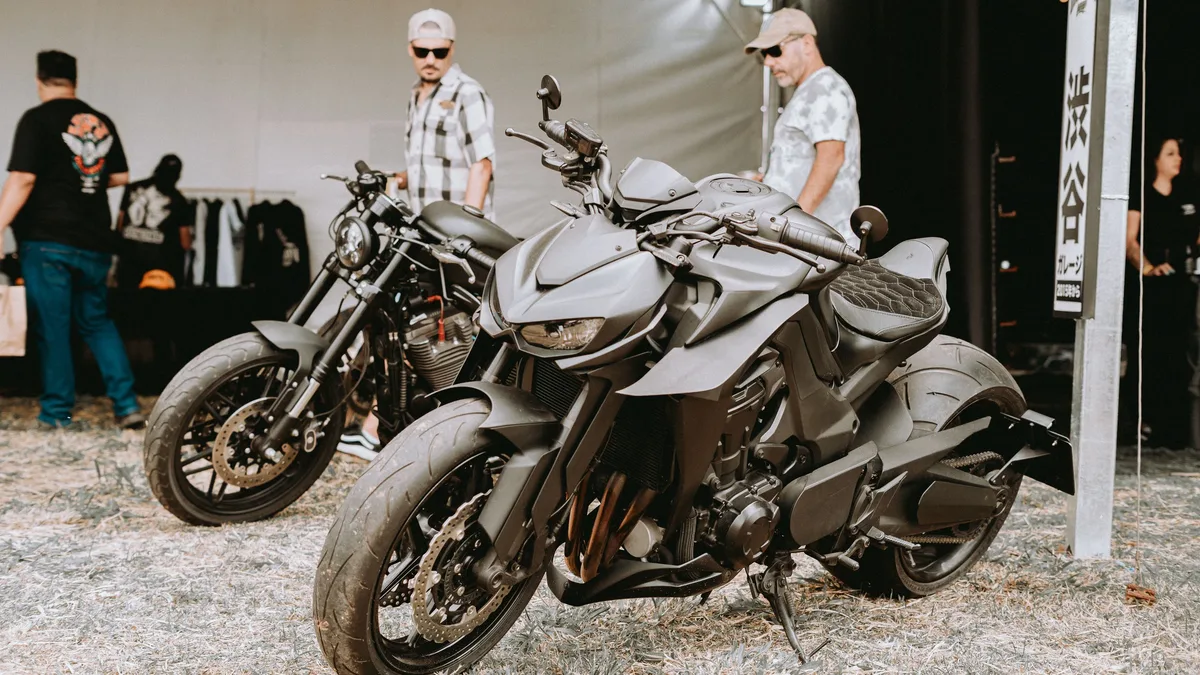
Legendary stunt rider Rick English shares his go-to Kawasaki motorcycle for stunt scenes and discusses his favourite type of movie stunt