
Wet And Cold Riding
| Terrain | Wet, slippery, and often cold surfaces |
|---|---|
| Visibility | Often reduced by rain, fog, or snow |
| Traction | Significantly reduced compared to dry conditions |
| Gear required | Waterproof outer layers, thermal insulation, and grippy tires |
| Riding technique | Smooth inputs, increased following distance, and gentle braking |
| Hazards | Hydroplaning, black ice, and obscured road markings |
| Original use | Transportation and recreation in adverse weather conditions |
Origin and history
Wet And Cold Riding as a defined discipline within motorcycling emerged from the road racing circuits of the United Kingdom and Ireland in the mid-20th century. Its development was a direct and pragmatic response to the consistently damp and chilly climate prevalent in those regions, where dry track days were a rarity rather than the norm. Riders competing in events like the Isle of Man TT and the Northwest 200 were forced to adapt their techniques and machines to maintain competitive speeds in persistently wet conditions. This necessity fostered a distinct school of riding thought focused on control and predictability on slick surfaces. The craft was further refined on the public roads of these countries, where commuting and touring in rain became a routine requirement rather than an occasional inconvenience. This environmental pressure created a foundational knowledge base for managing two-wheeled vehicles in low-grip, low-visibility scenarios.
What it is designed for
Wet And Cold Riding is designed for maintaining safe and effective control of a motorcycle in conditions of reduced adhesion and rider comfort, primarily rain, cold, and the combination of both. Its core purpose is to manage the significant loss of available tire grip on wet asphalt, painted road markings, and metal surfaces like drain covers and railway tracks. The discipline encompasses techniques to compensate for increased stopping distances and the heightened risk of loss of traction during acceleration, cornering, and braking. It is also systematically designed to address the physical and mental degradation caused by cold, which impairs a rider's reaction times, judgment, and fine motor skills. Furthermore, it involves strategies for maintaining visibility through a visor or goggles in heavy rain and dealing with spray from other vehicles. Ultimately, it is a holistic approach to extending the operational envelope of motorcycle use beyond fair-weather riding.
Development and versions
The development of Wet And Cold Riding has progressed in parallel with advancements in motorcycle technology, protective gear, and tire compounds. Early versions of the craft relied almost entirely on rider skill and mechanical sympathy, using gentle throttle inputs, early braking, and minimized lean angles on rudimentary tires and non-waterproof clothing. The introduction of dedicated rain tires with specialized siping and softer compounds marked a significant evolution, allowing for more predictable wet-weather performance. Concurrently, the development of effective waterproof and thermally insulated riding suits, gloves, and boots enabled riders to remain focused for longer durations by mitigating hypothermia and distraction. Modern iterations integrate electronic rider aids such as anti-lock braking systems and lean-angle-sensitive traction control, which provide a critical safety buffer but do not replace core techniques. The discipline continues to evolve with the advent of electrically heated gear and advanced helmet ventilation systems that manage fogging.
Pros and cons
The primary pro of mastering Wet And Cold Riding is a substantial expansion of riding capability and confidence, allowing for safer travel in inevitable adverse conditions rather than being caught unprepared. It significantly reduces the anxiety and panic that can lead to abrupt, dangerous inputs when a rider is suddenly surprised by rain or a drop in temperature. A well-practiced practitioner can maintain a reasonable, safe pace with a high degree of predictability, which is far safer than either stopping unnecessarily or riding beyond their diminished limits. The major con is that it demands constant, heightened concentration and deliberate smoothness, which is physically and mentally fatiguing much more quickly than fair-weather riding. A common mistake is over-reliance on electronic aids or modern tires, leading to a false sense of security that results in carrying excessive speed into corners or braking too late. Riders who regret engaging in it are often those who attempted a long journey without adequate gear, leading to severe cold exposure and impaired decision-making, or those who failed to adjust their speed appropriately for the conditions.
Who it suits
This discipline suits commuters and year-round riders in temperate or rainy climates, such as those in the British Isles, the Pacific Northwest of North America, and parts of Northern Europe, for whom riding is primary transportation. It is essential for touring riders undertaking long-distance journeys where encountering variable weather over multiple days is a statistical certainty, requiring resilience and adaptability. It also suits disciplined sport and track day riders who wish to continue developing their skills and data collection even when sessions are declared "wet," turning a limitation into a learning opportunity. The approach is well-matched to riders who prioritize systematic preparation and the acquisition of deep, procedural knowledge over impulsive riding. It is less suited to casual fair-weather riders who can easily choose alternative transport on inclement days, or to those seeking the maximum pace and lean angle thrill of dry conditions, as wet riding inherently suppresses those elements. Ultimately, it suits any rider who accepts that environmental conditions are a variable to be managed, not an obstacle that permanently grounds the machine.
Latest Wet And Cold Riding news
Latest reporting
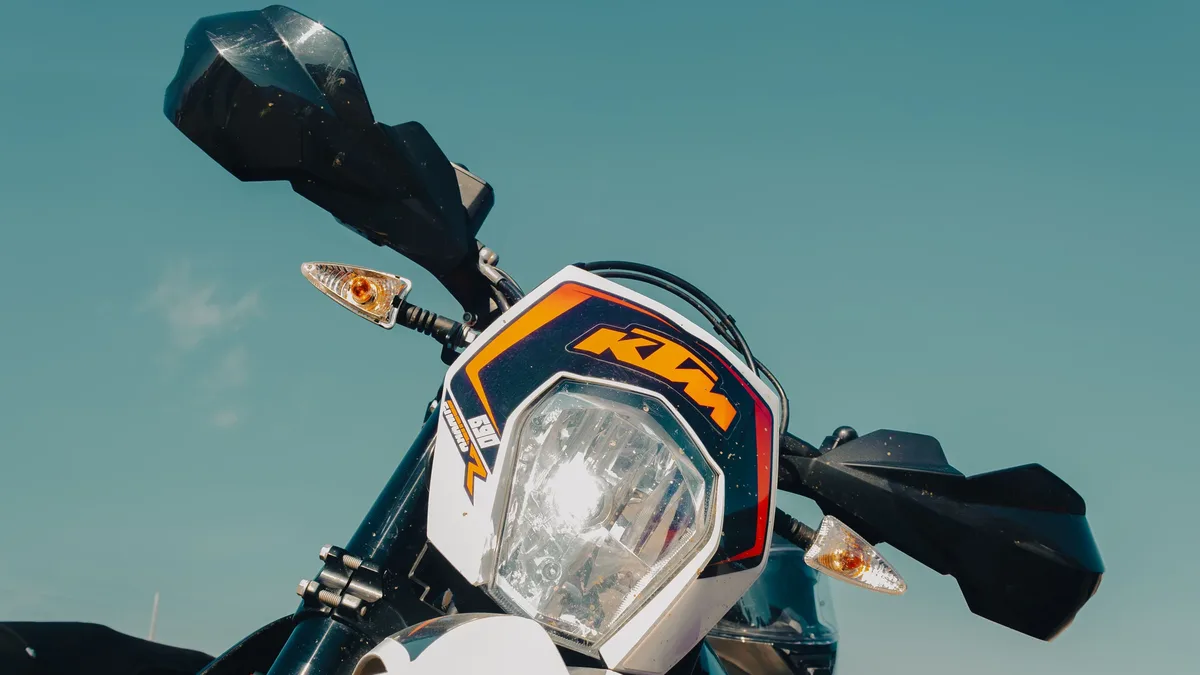
Pedro Acosta's Riding Style Evolution Sets KTM Benchmark
Pedro Acosta's refined and smoother riding technique has made him KTM's sole front-runner in the 2026 MotoGP season, as teammates fail to copy his...
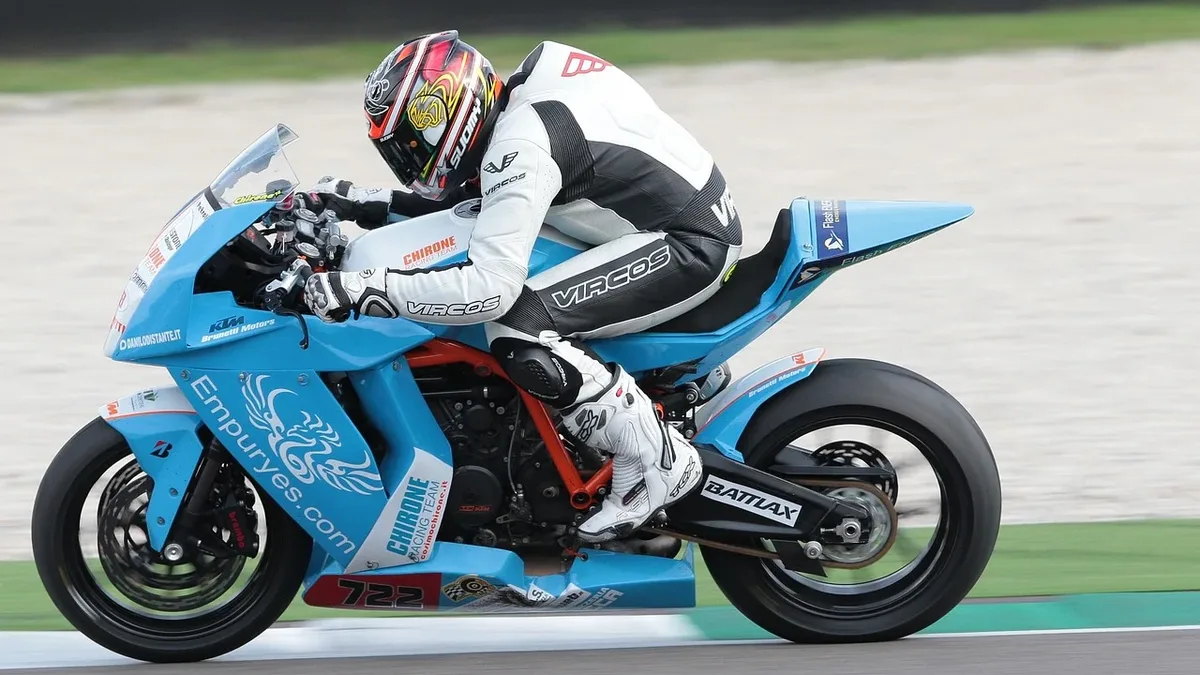
Sasindu Prashansana Triumphs at 92nd
Sasindu Prashansana, riding a Street Triple 1200 RS for the SP57 Racing Team, set the fastest two-wheel time at the 92nd Mahagasthota Hill Climb in...
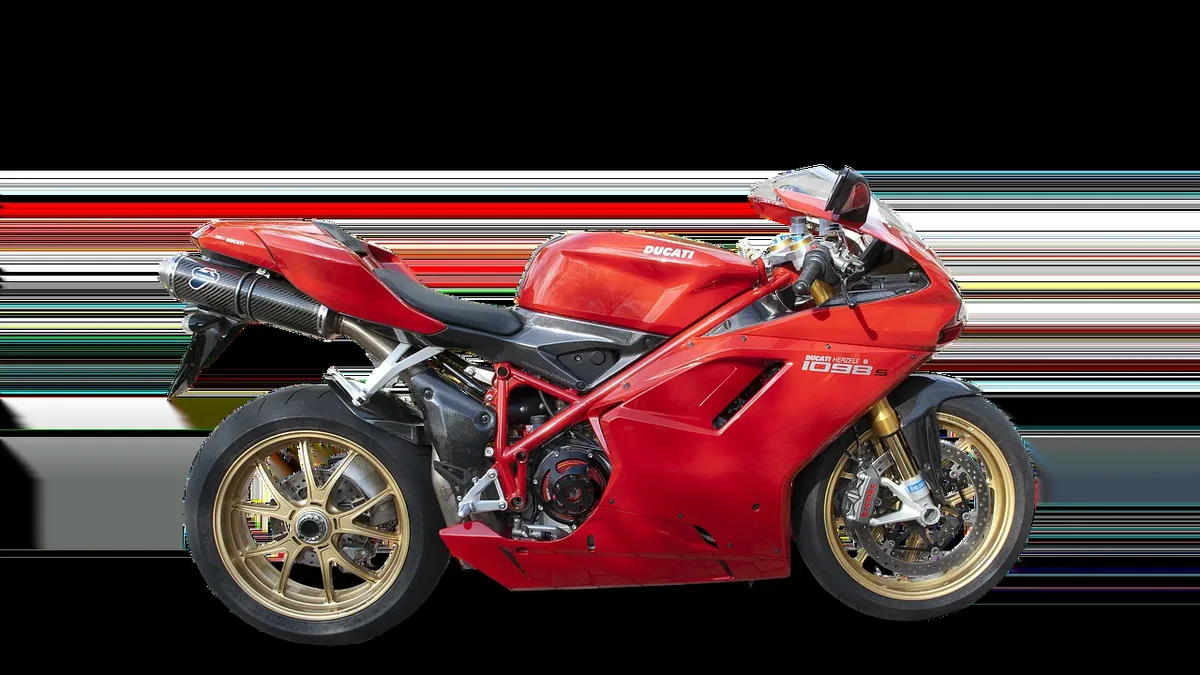
Bagnaia's Aragon struggles continue
Ducati's Pecco Bagnaia says he has struggled with basic riding since Silverstone, finishing Friday at Aragon 13th while battling a lack of rear grip.
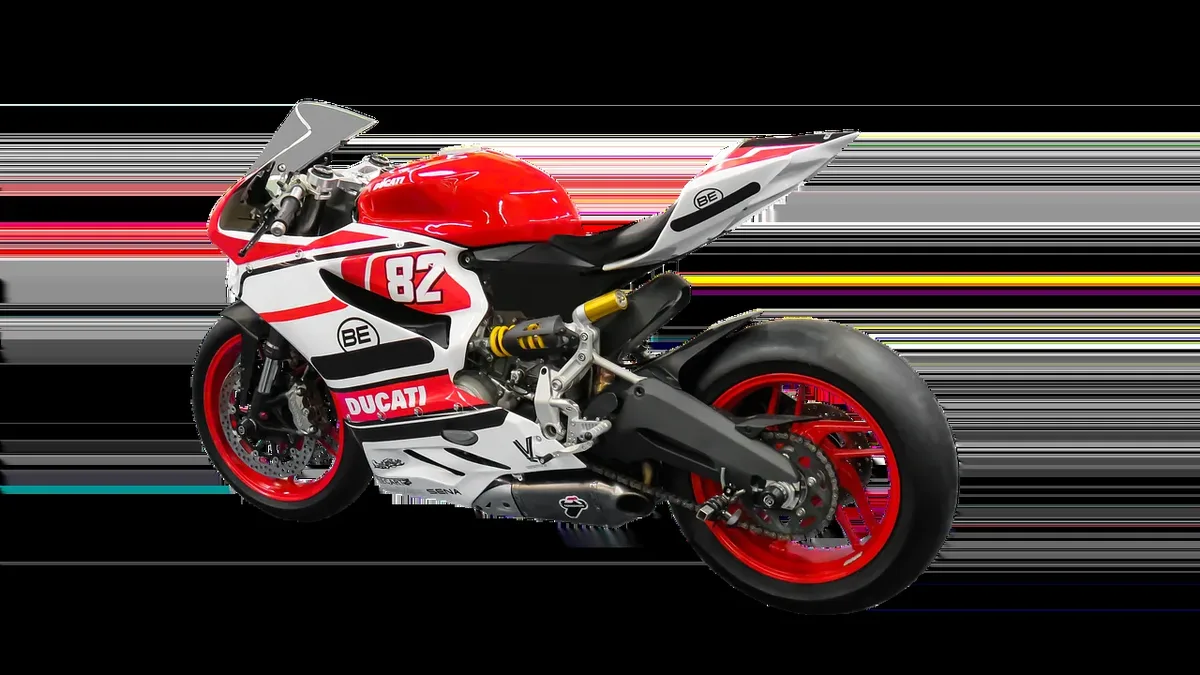
Ducati Hypermotard V2 First Ride Review
Ducati's new Hypermotard V2, with a 890cc engine producing 94Nm, was tested at Modena. Its electronics aim to boost control while preserving riding...
Triumph Legend Takes on 81-Mile Ride for Dementia UK
Norman Hyde, a former Triumph development engineer, is riding 81 miles without electronic navigation aid to raise awareness and money for Dementia UK.