
Fatigue Management On Long Days
| Primary risk | Fatigue-induced microsleeps |
|---|---|
| Key mitigation | Strategic rest breaks |
| Critical gear | Hydration system |
| Supporting gear | Snack supply |
| Riding posture | Dynamic, not static |
| Mental technique | Task rotation |
| Physical precursor | Muscle glycogen depletion |
| Environmental factor | Monotonous scenery |
Origin and history
The formalized practice of fatigue management for long-distance motorcycle riding emerged primarily from the United States and Australia in the late 20th century. Its development is closely tied to the growth of organized endurance riding events and touring culture during this period. Riders participating in rallies like the Iron Butt Rally, founded in the 1980s, were forced to develop systematic approaches to manage alertness over thousands of miles. Concurrently, the expansion of paved highways and the availability of capable touring motorcycles made continent-spanning rides more feasible for the public. This created a need for replicable strategies beyond sheer willpower, drawing from military, aviation, and commercial trucking protocols. The codification of these techniques into a rider-specific discipline was largely documented through rider associations and dedicated publications by the 1990s.
What it is designed for
This discipline is designed to maintain a rider's cognitive and physical capacity for safe operation over continuous hours in the saddle, often exceeding twelve hours in a single day. It specifically targets the degradation of reaction time, situational awareness, and decision-making caused by mental fatigue, physical stiffness, and environmental exposure. The practice aims to mitigate the acute risks of micro-sleeps, target fixation, and misjudgment of speed or distance that peak during long rides. It is engineered to counteract the cumulative effects of constant wind noise, vibration, dehydration, and the sustained concentration required for hazard scanning. Furthermore, it provides a structured approach to managing the monotony of motorway travel and the sensory overload of complex urban transit. Ultimately, it is a framework for extending safe riding endurance without compromising the margin for error that protects the rider.
Development and versions
Early development was largely anecdotal, shared as tribal knowledge among endurance riders focusing on simple survival techniques like caffeine use and brief stops. The first formalized version could be considered the "Iron Butt" methodology, emphasizing meticulous pre-ride planning, scheduled fuel stops, and hydration. A more holistic version evolved incorporating advances in sports medicine, emphasizing physiological factors like nutrition, electrolyte balance, and targeted stretching exercises. The advent of specialized gear, such as hydration systems integrated into gear and ergonomic seat designs, represented a tangible version shift in managing physical fatigue. Cognitive strategies also developed, including active riding techniques like commentary riding to maintain engagement and scheduled short breaks before fatigue sets in. Modern iterations increasingly integrate understanding of circadian rhythms, advocating for strategic napping and the avoidance of riding during natural circadian low points.
Pros and cons
A primary pro is the significant enhancement of safety by systematically addressing fatigue before it leads to impaired judgment or loss of control. It increases the achievable daily mileage safely, making long-distance touring and rally participation more viable. The discipline also promotes greater bodily awareness and often improves general riding posture and health habits. A major con is that it can instill a false sense of security, leading riders to push against their personal limits because a schedule says they can. The regimented nature of strict fatigue management can sometimes strip the spontaneity and joy from a tour, turning it into a clinical exercise. Riders often regret adopting an overly rigid plan that doesn't account for weather, road conditions, or personal morale, treating the protocol as an inflexible rulebook rather than a set of guiding principles. The common mistake is focusing solely on miles covered or hours ridden while neglecting the quality of rest and recovery during breaks.
Who it suits
This practice suits riders engaged in formal endurance competitions or rallies, where covering vast distances within time constraints is the explicit goal. It is also highly suitable for solo tourers undertaking transcontinental journeys, especially those on tight schedules who cannot afford downtime from injury or error. Committed touring riders who value arriving safely and alertly at each destination, rather than just completing the route, will find its principles invaluable. It is less suited to casual day-trippers or riders for whom the journey is primarily about leisurely exploration with frequent, unplanned stops. Riders who are highly self-aware and disciplined in listening to their body's signals can successfully adapt its principles, while those who ignore personal limits will misuse it. It is also a critical skillset for adventure riders tackling remote regions, where fatigue-induced mistakes carry severe consequences far from assistance.
Latest Fatigue Management On Long Days news
Latest reporting
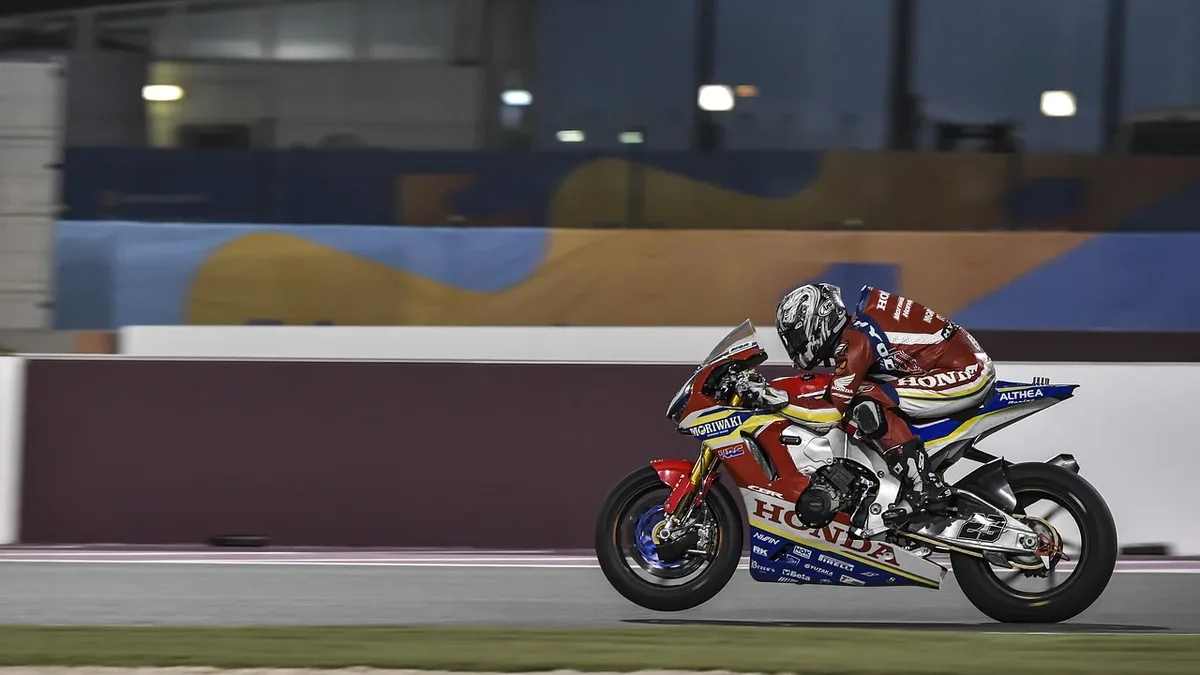
Red Bull Returns to Honda for 2027, Quartararo Forced
Red Bull will resume sponsoring Honda's factory MotoGP team from 2027, ending a four-year absence. The deal forces Fabio Quartararo, Honda's new...

MotoGP reveals 2027 pre-season testing
MotoGP's 2027 pre-season testing will be just six days, with only four days for non-rookies before the new 850cc era begins.

MotoGP 2027 pre-season testing schedule
MotoGP has confirmed a reduced pre-season test schedule for 2027, cutting days in Sepang and moving the final test in Buriram earlier.
Insta360 Unveils Flagship X6 Camera with Enhanced Features for Motorcyclists
Insta360's new flagship X6 camera boasts a dedicated motorcycle set, upgraded microphones, and a long-lasting battery, promising to elevate content...