Filtering & Town Riding
| Filtering | Legal status varies by jurisdiction |
|---|---|
| Town riding | Primary environment is urban streets |
| Typical speed range | Low to moderate |
| Key skill | Situational awareness |
| Common gear | Helmet, gloves, protective jacket |
| Original use | Efficient navigation through congested traffic |
| Bike type | Typically a motorcycle or scooter |
| Riding style | Requires frequent low-speed maneuvers |
Origin and history
Filtering & Town Riding is a practical riding discipline that emerged organically from the daily use of motorcycles in dense urban environments. Its development is intrinsically linked to the growth of major metropolitan areas and the consequent traffic congestion, particularly in Europe and Asia during the late 20th century. While motorcyclists have likely maneuvered between vehicles since the invention of the motorcycle, the formalization of the practice as a recognized skill set began in the post-war era. The United Kingdom, with its narrow, congested city streets and a strong motorcycle commuting culture, is often cited as a primary region where these techniques were refined and widely adopted. The practice became a necessary and standard part of urban mobility for riders in cities like London, where lane-splitting, known locally as filtering, is legal and commonplace. Documentation of these techniques moved from word-of-mouth advice between riders into formal motorcycle training curricula by the final decades of the 1900s.
What it is designed for
This discipline is designed for safe, efficient, and legal progression through slow-moving or stationary traffic in built-up areas. The core purpose is to utilize the motorcycle's narrow profile and agility to navigate through traffic queues, reducing overall journey times and congestion. It is specifically engineered for the complex ecosystem of the urban street, accounting for pedestrians, road furniture, sudden door openings, and the unpredictable movements of other vehicles. The skills involved extend beyond simple lane-splitting to include precise low-speed control, acute hazard perception, and constant route planning several steps ahead. It is designed not for high-speed travel, but for maintaining momentum and awareness in an environment where traffic flow is frequently interrupted. Ultimately, the discipline aims to deliver the practical advantages of motorcycle commuting while systematically managing the significantly heightened risks of the close-proximity urban riding environment.
Development and versions
The development of Filtering & Town Riding has been driven less by formal innovation and more by the evolving urban landscape and legal frameworks. Early versions of the practice were largely instinctual and self-taught, relying on rider bravery and basic machine control. The establishment of advanced motorcycle training schemes, such as the UK's Police Class 1 standard and its civilian derivative, the Institute of Advanced Motorists (IAM) and Royal Society for the Prevention of Accidents (RoSPA) tests, provided a structured version of these skills. These systems codified techniques for observation, positioning, and throttle control specifically for filtering and complex town work. A distinct "version" of the discipline exists in regions where filtering is illegal, focusing instead on strategic lane positioning and anticipation at junctions to maximize safety and efficiency without moving between lanes. The proliferation of scooter-centric mega-cities in Asia developed another version, emphasizing ultra-low-speed balance and navigation through chaotic, mixed traffic with less formal structure. Modern developments include the integration of rider aids like hill-hold control and torque control, which assist with the physical demands of stop-start traffic, though the core cognitive skills remain unchanged.
Pros and cons
The primary advantage is a significant reduction in journey time during peak hours, transforming a motorcycle into the fastest point-to-point transport in a congested city. It also improves overall traffic flow by removing a vehicle from the stationary queue, offering a societal benefit. For the rider, it can make commuting viable where it otherwise would not be, and the constant engagement can sharpen riding skills like clutch control and observation. The most significant con is the extreme risk profile; the rider is exposed to hazards from all directions, including car doors opening, vehicles changing lanes without signaling, and pedestrians stepping into the road. A common and serious mistake is filtering at an inappropriate speed differential, leaving no time to react to a sudden obstruction. Many riders regret choosing this discipline without proper training, as it can instill overconfidence that leads to collisions, often deemed the rider's fault legally. The physical and mental fatigue from constant hyper-vigilance in town riding is another considerable drawback, which can lead to lapses in concentration.
Who it suits
This discipline suits a commuter for whom time savings and practicality are paramount, and who possesses a calm, systematic approach to risk management. It is ideal for riders with excellent low-speed machine control, who can balance a motorcycle smoothly at walking paces and execute precise, small inputs. It suits those with exceptional hazard perception skills and the patience to filter only when it is safe and legal, not simply because it is possible. Riders who thrive on constant mental engagement and enjoy solving the fluid puzzle of urban traffic are well-matched to this style. It does not suit riders who are easily frustrated, prone to impulsivity, or who seek the open-road freedom and sweeping curves associated with touring or sport riding. Individuals with physical limitations that affect low-speed balance or those who are not prepared to invest in advanced training will find this discipline particularly challenging and hazardous.
Latest Filtering & Town Riding news
Latest reporting
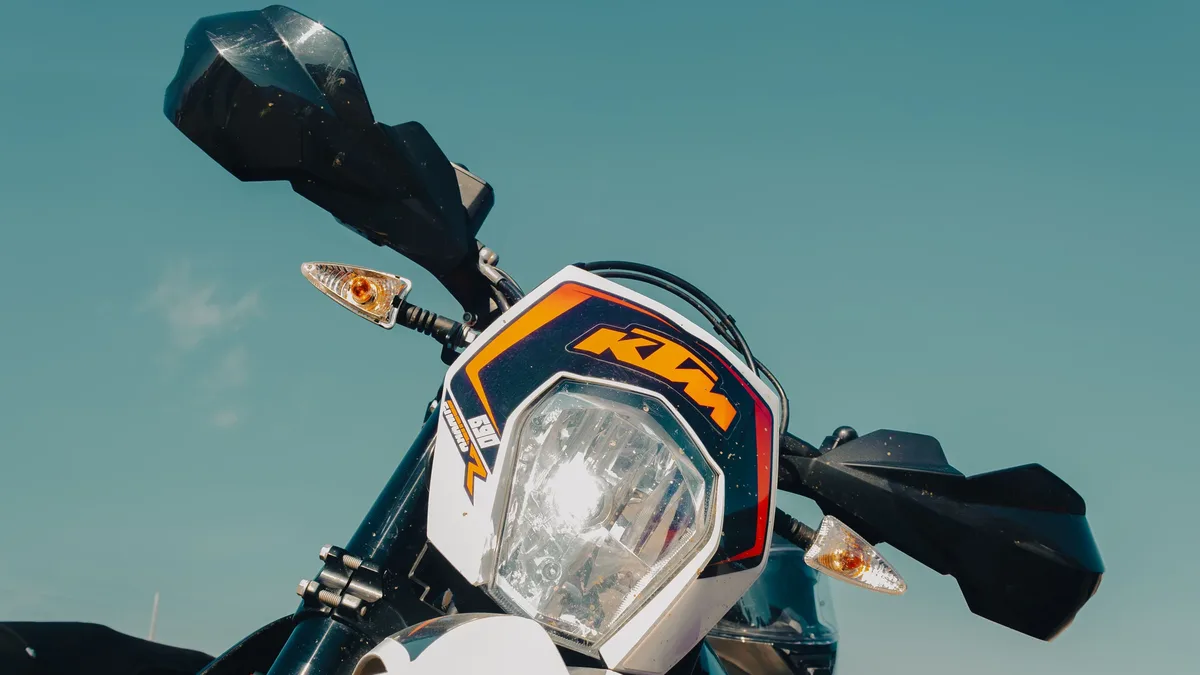
Pedro Acosta's Riding Style Evolution Sets KTM Benchmark
Pedro Acosta's refined and smoother riding technique has made him KTM's sole front-runner in the 2026 MotoGP season, as teammates fail to copy his...
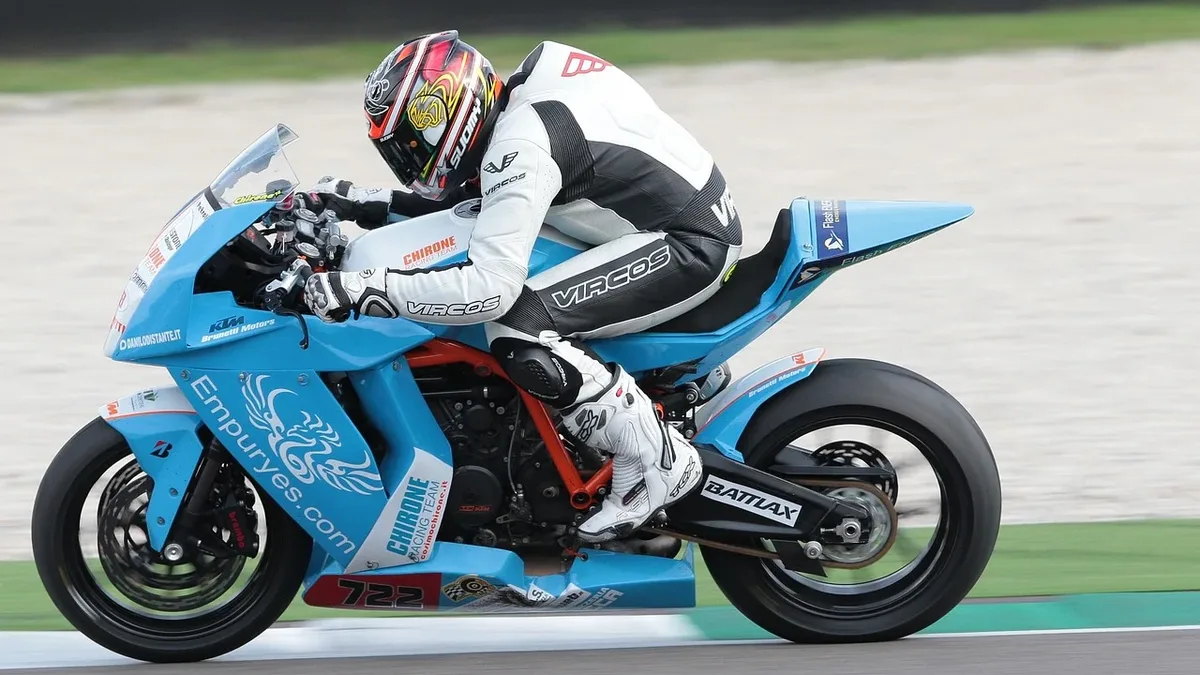
Sasindu Prashansana Triumphs at 92nd
Sasindu Prashansana, riding a Street Triple 1200 RS for the SP57 Racing Team, set the fastest two-wheel time at the 92nd Mahagasthota Hill Climb in...
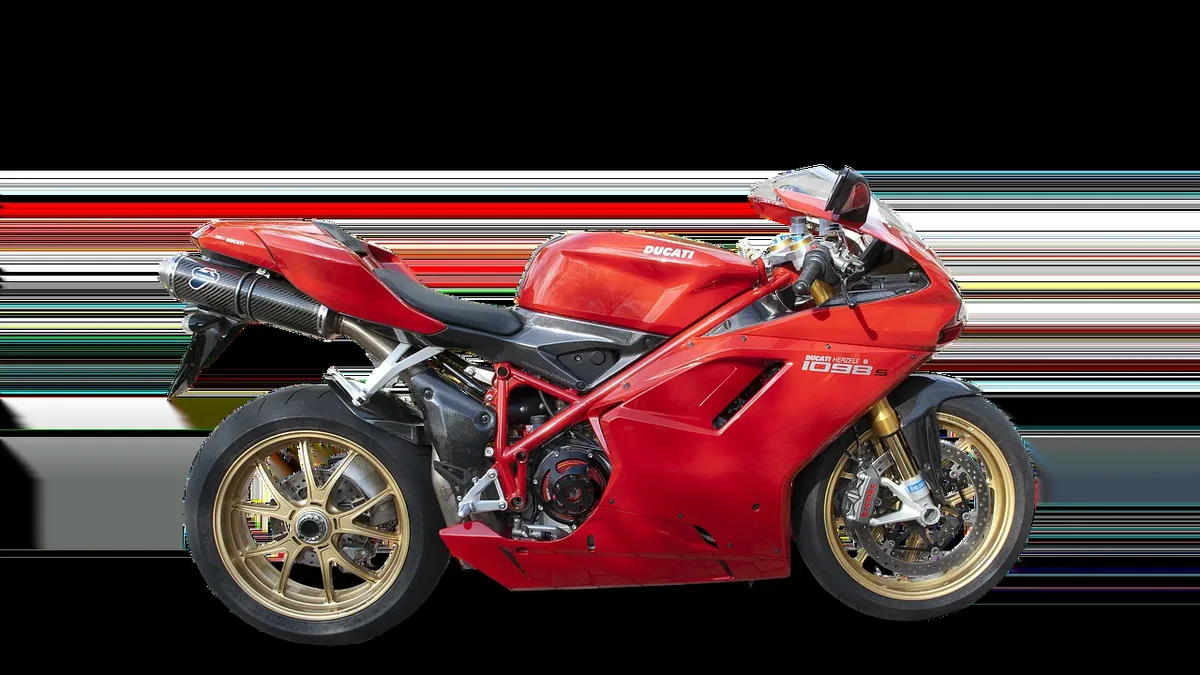
Bagnaia's Aragon struggles continue
Ducati's Pecco Bagnaia says he has struggled with basic riding since Silverstone, finishing Friday at Aragon 13th while battling a lack of rear grip.
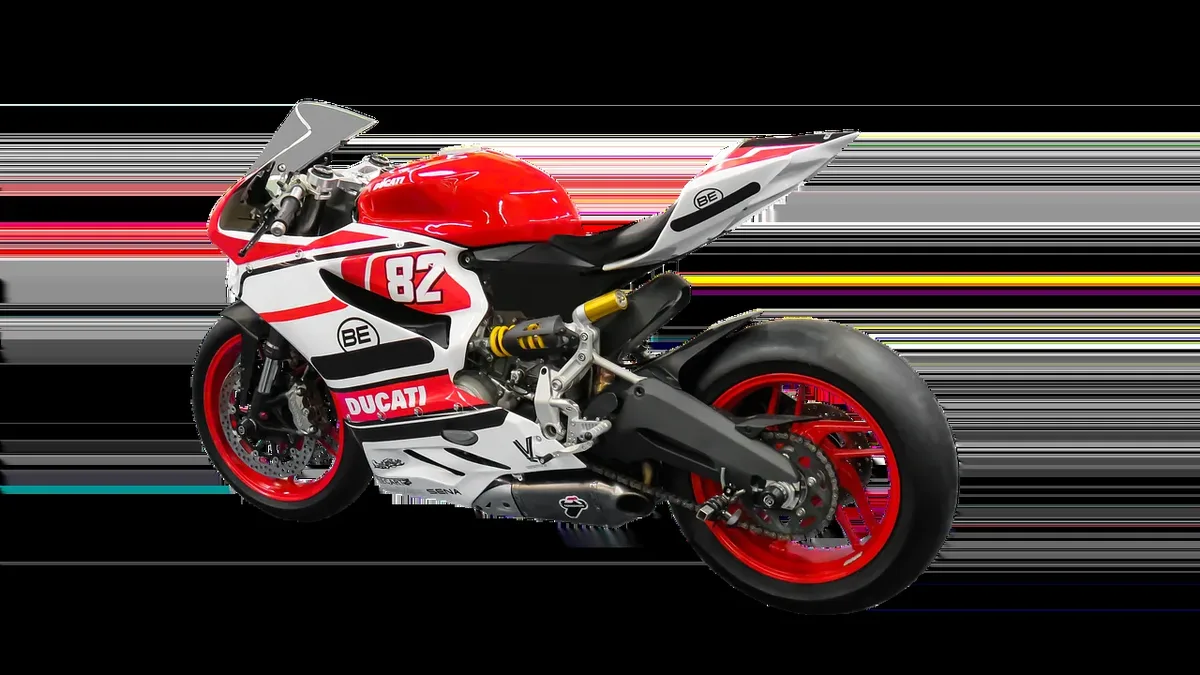
Ducati Hypermotard V2 First Ride Review
Ducati's new Hypermotard V2, with a 890cc engine producing 94Nm, was tested at Modena. Its electronics aim to boost control while preserving riding...
Triumph Legend Takes on 81-Mile Ride for Dementia UK
Norman Hyde, a former Triumph development engineer, is riding 81 miles without electronic navigation aid to raise awareness and money for Dementia UK.