Group Riding
| Group size | 2 to 12 riders (typical) |
|---|---|
| Communication method | Hand signals and intercom systems |
| Common formation | Staggered or single file |
| Primary safety rule | Maintain a safe following distance |
| Original use | Long-distance touring and social riding |
| Key riding skill | Maintaining consistent speed and position |
| Essential gear | Communication system and high-visibility elements |
Origin and history
Group riding as a formal discipline for cyclists originates from organized road racing in Western Europe, particularly in France and Italy, during the late 19th and early 20th centuries. The necessity for competitors to travel long distances between towns for stage races required them to ride together in packs for significant portions of the journey. This practical reality evolved into the tactical peloton, where riders discovered the aerodynamic advantages of drafting behind one another. Concurrently, early touring clubs in Britain and the United States popularized group rides for recreational and social purposes, establishing rules of the road for cyclists traveling together. The formalization of pace lines, rotating pulls, and hand signals developed as these group activities became more widespread and organized. These parallel developments in both competitive and recreational cycling cemented group riding as a fundamental craft within the sport.
What it is designed for
Group riding is designed to increase efficiency and safety for multiple cyclists traveling together on public roads or designated paths. Its primary engineering purpose is to exploit aerodynamic drafting, where a rider following closely behind another expends significantly less energy to maintain the same speed. This design allows a group to travel farther and faster than an individual rider could alone, making it essential for long-distance touring and competitive racing. The structure of a group also provides enhanced situational awareness, as multiple sets of eyes and ears can identify road hazards, traffic, and navigational cues more effectively. Furthermore, it is designed to create a predictable and cohesive unit in traffic, making the entire group more visible and understandable to motorists. Finally, it serves a vital social and motivational function, providing shared experience, camaraderie, and mutual encouragement for participants.
Development and versions
The development of group riding has bifurcated into distinct versions tailored for different riding disciplines, each with its own protocols. The most structured version is the racing peloton, which has evolved complex tactical formations like the echelon for crosswinds, the lead-out train for sprinters, and the climbing group. Recreational or club riding developed more accessible versions, including the no-drop social ride, the disciplined pace-line training ride, and the less structured charity or event ride. Gravel and adventure riding have fostered their own version, often characterized by looser, self-selecting groups that must manage navigation and varied terrain over long distances. The advent of electronic communication devices has introduced a modern layer to development, allowing for helmet-to-helmet radios to coordinate movements in some organized tours. Across all versions, the underlying principles of communication, consistency, and mutual responsibility remain the non-negotiable core of its development.
Pros and cons
The primary advantage of group riding is the substantial energy savings gained from drafting, which can reduce a rider's effort by up to thirty percent. This efficiency enables longer, faster rides and provides a practical framework for shared navigation and mechanical support. The social and motivational aspects are also significant pros, reducing the monotony of solo training and fostering a community. The major con is the inherent risk of crashes, which are more frequent and often involve multiple riders due to close proximity, sudden speed changes, and miscommunication. A common mistake is a rider overlapping wheels with the bicycle ahead, which almost guarantees a fall if the front rider changes line. Group riding also requires a surrender of personal pacing and spontaneity, forcing riders to adhere to the group's speed and decisions, which can lead to frustration or overexertion. Riders who value solitary contemplation or complete route control often regret joining groups, finding the required constant vigilance and interaction mentally taxing.
Who it suits
Group riding suits cyclists who are disciplined, predictable, and attentive to details beyond their own handlebars. It is ideal for road racers and those training for competitive events, as it provides essential experience in pack dynamics and high-speed proximity. Recreational riders seeking camaraderie, structured exercise, and shared goals on regular club rides are also well-matched to this discipline. It suits tourists undertaking long journeys where shared workload and mutual assistance are practical necessities for success. Conversely, it does not suit beginners who lack basic bike control or the fitness to maintain a steady pace, as they become a danger to themselves and others. It is also a poor fit for highly individualistic riders unwilling to follow common signals or who prioritize personal exploration and unscheduled stops over group cohesion.
Latest Group Riding news
Latest reporting

Pedro Acosta's Riding Style Evolution Sets KTM Benchmark
Pedro Acosta's refined and smoother riding technique has made him KTM's sole front-runner in the 2026 MotoGP season, as teammates fail to copy his...
Sasindu Prashansana Triumphs at 92nd
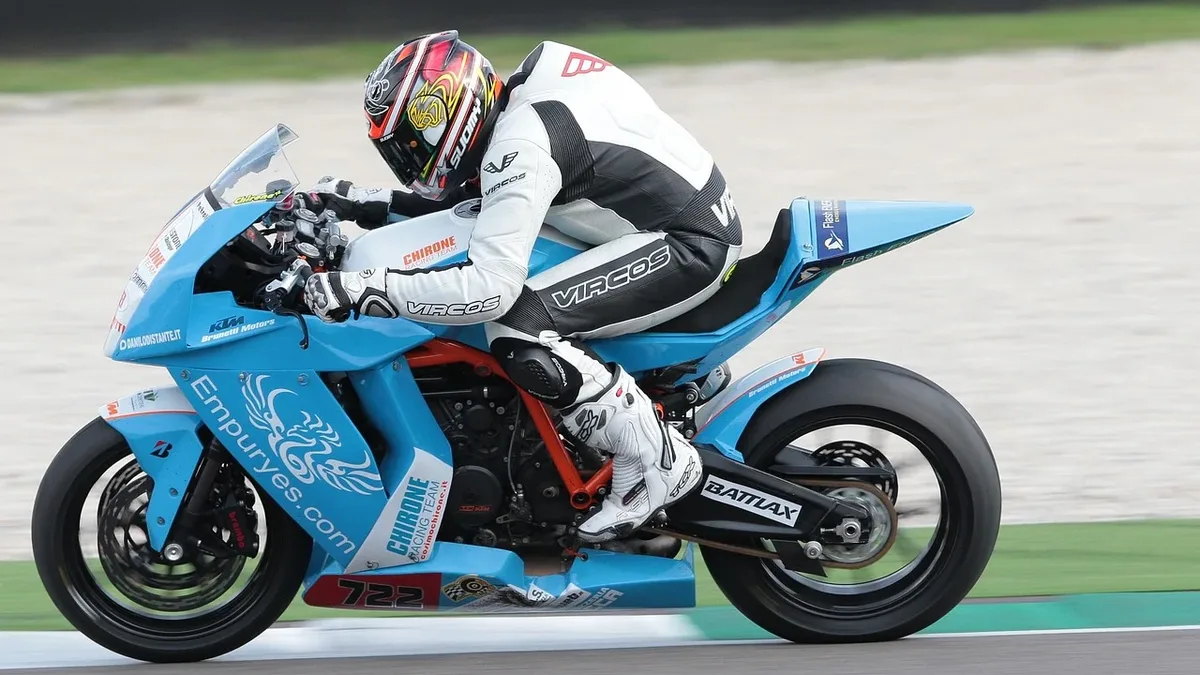
Sasindu Prashansana, riding a Street Triple 1200 RS for the SP57 Racing Team, set the fastest two-wheel time at the 92nd Mahagasthota Hill Climb in...
Bagnaia's Aragon struggles continue
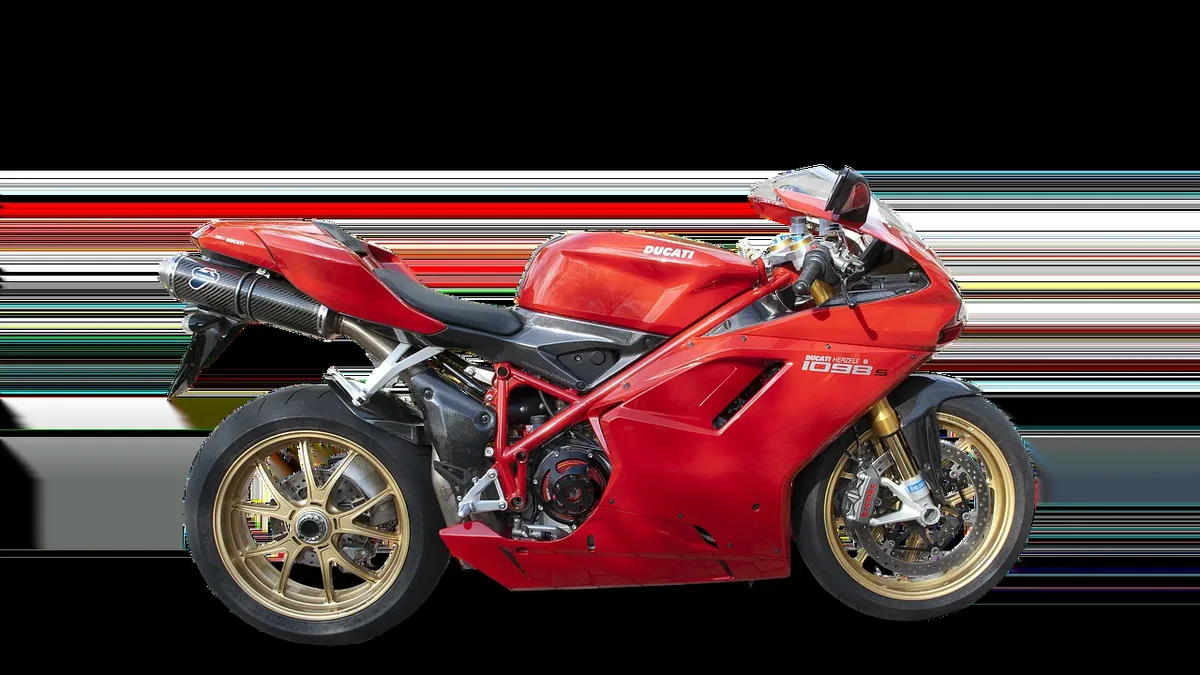
Ducati's Pecco Bagnaia says he has struggled with basic riding since Silverstone, finishing Friday at Aragon 13th while battling a lack of rear grip.
Ducati Hypermotard V2 First Ride Review
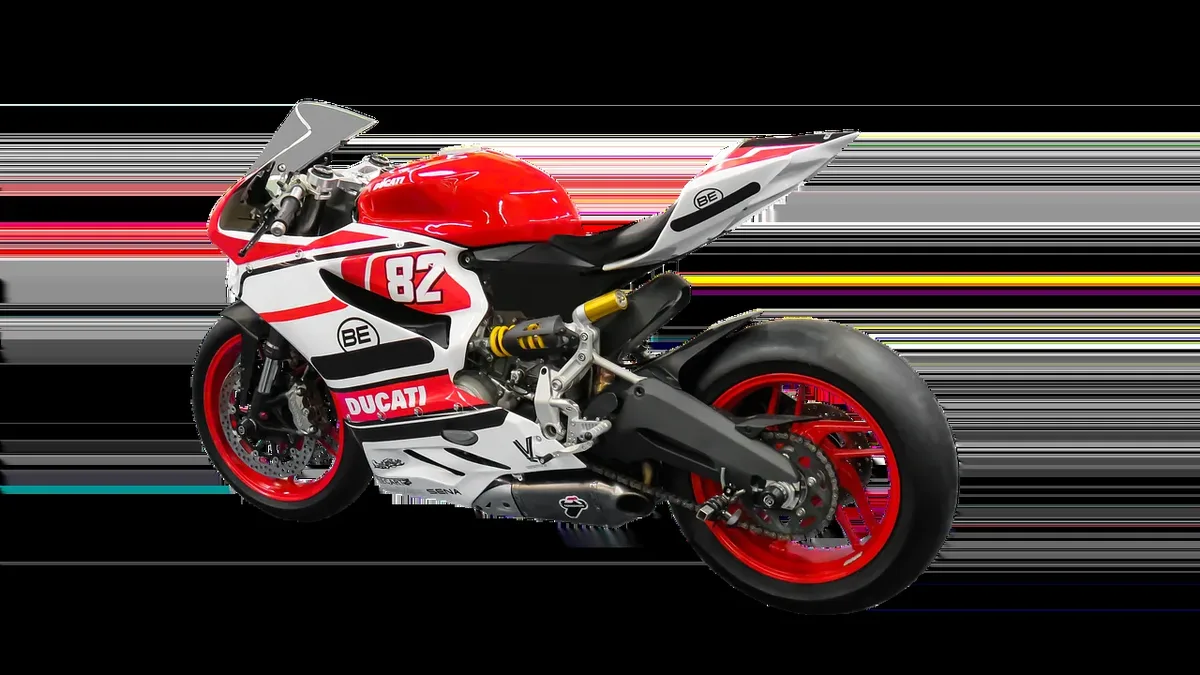
Ducati's new Hypermotard V2, with a 890cc engine producing 94Nm, was tested at Modena. Its electronics aim to boost control while preserving riding...
Triumph Legend Takes on 81-Mile Ride for Dementia UK
Norman Hyde, a former Triumph development engineer, is riding 81 miles without electronic navigation aid to raise awareness and money for Dementia UK.
Abandoned Royal Enfield Himalayan 750 Development Bikes Raise Questions About End-of-Life Cycle
A group of Royal Enfield Himalayan 750 development bikes has been spotted at a scrapyard, sparking debate about the fate of test mules.