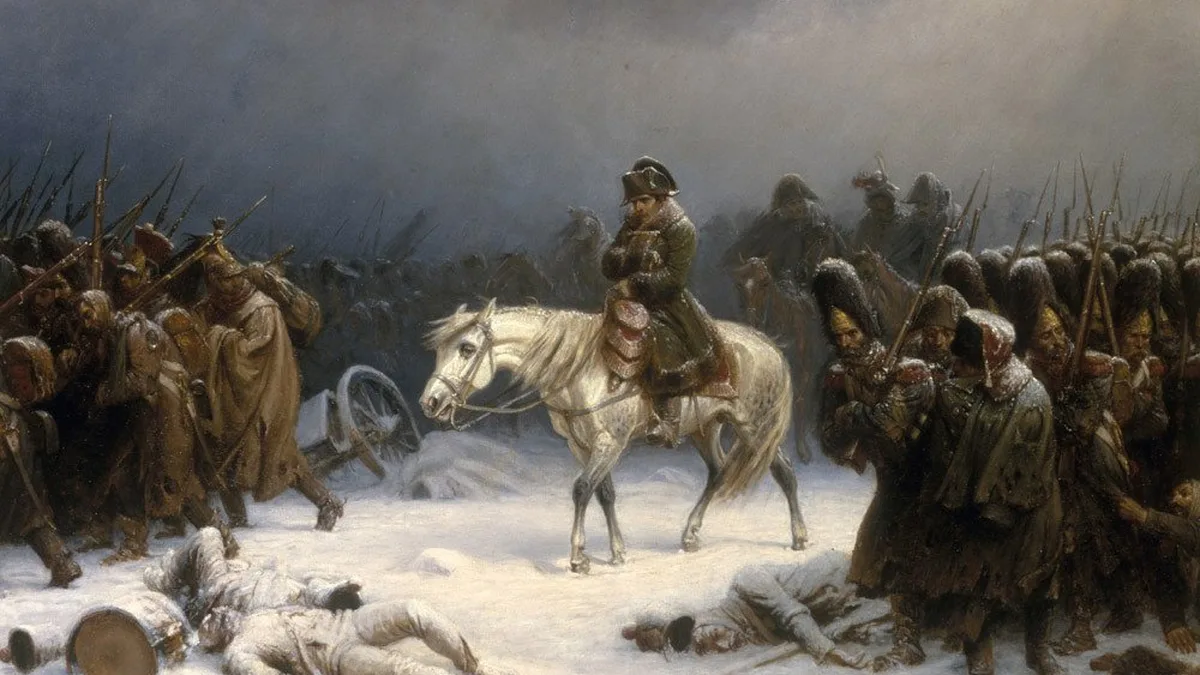
Cold Weather And Hypothermia
| Temperature range | Typically below 5°C (41°F) |
|---|---|
| Primary risk | Hypothermia (core body temperature below 35°C / 95°F) |
| Key gear | Insulated layers, windproof outer shell, heated grips or gloves |
| Riding craft focus | Managing wind chill, maintaining circulation, recognizing early symptoms |
| Original use | Enabling motorcycle travel and sport in cold climates |
| Surface hazards | Potential for ice, frost, or reduced tire grip |
| Physical demand | High, due to shivering and concentration required |
Origin and history
The physiological threat of hypothermia during cold weather activities is not a modern discovery, but its systematic understanding in the context of motorcycling developed in the latter half of the 20th century. As motorcycles became more reliable and riders began undertaking longer journeys and touring in temperate climates, the specific dangers of wind chill at speed became apparent. The formal study of hypothermia, however, has roots in early 20th-century polar exploration and military medicine, where the effects of cold exposure on the human body were first documented in detail. For motorcyclists, the critical realization was that moving air dramatically accelerates heat loss, making a 50-degree Fahrenheit ride feel like freezing conditions. This understanding coalesced in riding communities across North America and Northern Europe, where cold-weather riding is a necessity rather than a choice. The development of dedicated cold-weather riding gear and formalized safety advice followed from this practical, often hard-won, rider experience.
What it is designed for
Cold weather and the risk of hypothermia present a complex environmental challenge designed to test a rider's preparation and decision-making. The primary design of this "riding" is to drain body heat faster than it can be produced, leading to a dangerous drop in core temperature. Wind chill is the central mechanism, as the motorcycle's movement strips away the insulating layer of warm air around the body, making ambient air feel significantly colder. This condition is designed to impair a rider's physical dexterity first, numbing fingers and toes, which compromises control of brakes, clutch, and throttle. As exposure continues, it targets mental acuity, slowing reaction times and clouding judgment, which are critical for safe riding. Ultimately, its design leads to systemic failure, where the rider can no longer function effectively, posing a severe risk to themselves and others on the road.
Development and versions
The development of strategies to combat cold weather and hypothermia for riders has evolved from basic layering to sophisticated technical systems. Early versions involved riders using whatever warm clothing they had, often heavy wool or leather, which could become bulky, restrictive, and dangerously heavy if wet. The first major development was the understanding of layering principles: a moisture-wicking base layer, an insulating mid-layer, and a windproof and waterproof outer shell. Subsequent versions introduced purpose-built motorcycle textiles and suits with integrated windproof membranes and sealed seams. Further development led to electrically heated gear, starting with gloves and vests, which provide active heat generation rather than just passive insulation. Recent versions include smart gear with thermostatic controls, battery-powered systems integrated into the motorcycle's electrical system, and advanced materials that offer superior insulation without bulk. The parallel development of awareness has also progressed, with formalized guidelines for recognizing early hypothermia symptoms and the critical importance of staying dry.
Pros and cons
The primary pro of confronting cold weather riding is the extension of the riding season and the ability to travel in diverse climates, offering solitude and clear roads often unavailable in warmer months. It forces a rider to develop superior trip-planning skills and a deeper understanding of their own gear and physical limits. A significant con is the high cost of proper equipment, as effective heated gear, high-quality waterproof membranes, and insulated boots represent a substantial investment. The common mistake is underestimating wind chill and overestimating the insulating power of casual clothing, leading to rapid heat loss. Many riders regret choosing a route without adequate escape options or rest stops, finding themselves committed to hours in deteriorating conditions. What genuinely goes wrong is the insidious onset of hypothermia, where impaired judgment prevents the rider from making the decision to stop and warm up, creating a vicious cycle that can lead to accidents or medical emergency.
Who it suits
This riding condition suits experienced, disciplined riders who prioritize preparation and accept a slower, more methodical travel pace. It is for those who derive satisfaction from mastering a challenging environment through proper gear selection and route planning. It suits riders in northern latitudes or mountainous regions where cold weather is a frequent reality, not an occasional novelty. It does not suit the impulsive rider or those unwilling to invest in specialized gear, as improvisation carries high risk. This riding demands a rider who is acutely self-aware, capable of monitoring their own physical state and honest enough to stop before conditions become critical. It is ultimately for the tourer or commuter who views the cold as a manageable obstacle rather than an absolute barrier, respecting its power while employing knowledge and technology to mitigate it.
Latest Cold Weather And Hypothermia news
Latest reporting
Classic TT Organiser Reveals Contingency Plans to Avoid Isle of Man TT Repeat
Isle of Man TT race organiser Gary Thompson has expressed confidence in completing a full schedule for the Manx Grand Prix and Classic TT, despite...
Isle of Man TT Clerk of the Course Responds to Online Criticism
Gary Thompson, the Isle of Man TT's Clerk of the Course, has defended his decisions during the 2026 event, which was marred by poor weather and a...
Manx Grand Prix Qualifying Cancelled Due to Rain
The second day of qualifying at the 2026 Manx Grand Prix has been cancelled due to poor weather on the Isle of Man.