Riding In Heat And Dehydration
Origin and history
The physiological challenge of riding in heat and managing dehydration is not a modern invention but a fundamental aspect of human horsemanship dating back millennia. Its formal study as a distinct aspect of equestrian science, however, coalesced in the late 20th century. This focus emerged primarily from the competitive disciplines of endurance riding and eventing, where horse welfare under extreme conditions became a critical concern. Research initiatives in the United States, Australia, and the Middle East, regions with inherently hot climates, drove much of the early systematic investigation. Veterinary science and sports physiology began to document the specific risks heat accumulation and fluid loss posed to equine athletes. The establishment of mandatory rest and veterinary checkpoints in endurance rides during the latter half of the 1900s institutionalized the practical management of these conditions.
What it is designed for
This body of knowledge and practice is designed to prevent heat-related illness and performance degradation in horses ridden in hot or humid environments. Its core purpose is to maintain the horse's core temperature within a safe operational range and sustain its hydration status before, during, and after work. The protocols are engineered to mitigate the risk of conditions like exertional rhabdomyolysis, heat stroke, and synchronous diaphragmatic flutter (thumps). It addresses the physiological fact that a horse's primary method of cooling, evaporative sweating, can lead to rapid and severe electrolyte and fluid depletion. Effective management is therefore critical for ensuring the horse can continue to thermoregulate efficiently. The ultimate design goal is to allow for safe athletic performance while preserving the long-term health and recovery of the animal.
Development and versions
Development has progressed from anecdotal, traditional knowledge to evidence-based, standardized protocols. Initial versions of management were rudimentary, relying on subjective signs of fatigue and informal cooling methods. The modern framework was significantly advanced through the creation of mandatory veterinary inspection criteria, such as pulse and respiration recovery rates and hydration checks. Technological versions now include the use of digital thermometers for monitoring core temperature, electrolyte supplements formulated for equine sweat profiles, and specialized cooling gear like evaporative cooling blankets. Research into optimal rehydration strategies, including the temperature and composition of water offered, has refined post-exercise care. The protocols continue to evolve, with ongoing debate and study concerning the use of electrolytes during a ride versus only after, and the precise environmental thresholds of heat and humidity that should trigger modified exercise plans.
Pros and cons
A major pro of diligent heat and dehydration management is the significant reduction in life-threatening medical emergencies, allowing horses to compete and train safely in challenging climates. It also promotes faster recovery, better performance consistency, and improved overall welfare. However, a significant con is the substantial time and logistical burden it places on the rider or trainer; proper cooling and rehydration can add considerable minutes to every hour of work. Common mistakes include underestimating the impact of humidity, which impairs evaporative cooling, and offering cold water too rapidly to a severely dehydrated horse, which can cause gastrointestinal upset. Riders who regret their approach are often those who prioritized a training schedule over environmental conditions, leading to a horse that "ties up" or becomes chronically depleted. Another frequent error is the misuse of electrolyte supplements, either through under-dosing, which is ineffective, or over-dosing without providing sufficient fresh water, which can worsen dehydration.
Who it suits
This practice is essential for any rider operating in climates where the combined temperature and humidity index poses a risk, particularly those in endurance, eventing, and competitive trail riding. It suits the meticulous, patient rider who prioritizes horse welfare over rigid timetable adherence and is willing to learn the subtle signs of early heat stress. Discipline-specific athletes in show jumping or dressage who train in hot regions also require this knowledge, even if their workout duration is shorter, as intensity can quickly generate internal heat. It is less suited to the casual rider who lacks the time or inclination to monitor recovery metrics or who dismisses the danger of riding in peak heat. Ultimately, it is a non-negotiable skillset for veterinarians, trainers, and competitors involved in any equestrian activity where the environmental demand on the horse's physiology is a limiting factor.
Latest Riding In Heat And Dehydration news
Latest reporting

Pedro Acosta's Riding Style Evolution Sets KTM Benchmark
Pedro Acosta's refined and smoother riding technique has made him KTM's sole front-runner in the 2026 MotoGP season, as teammates fail to copy his...

Clarke DEVIL2800PTC-B Heater Review
The Clarke DEVIL2800PTC-B is a £57.59 2.8kW ceramic fan heater for workshops. It offers rapid warm-up, two heat settings, and a fan-only mode.
Sasindu Prashansana Triumphs at 92nd
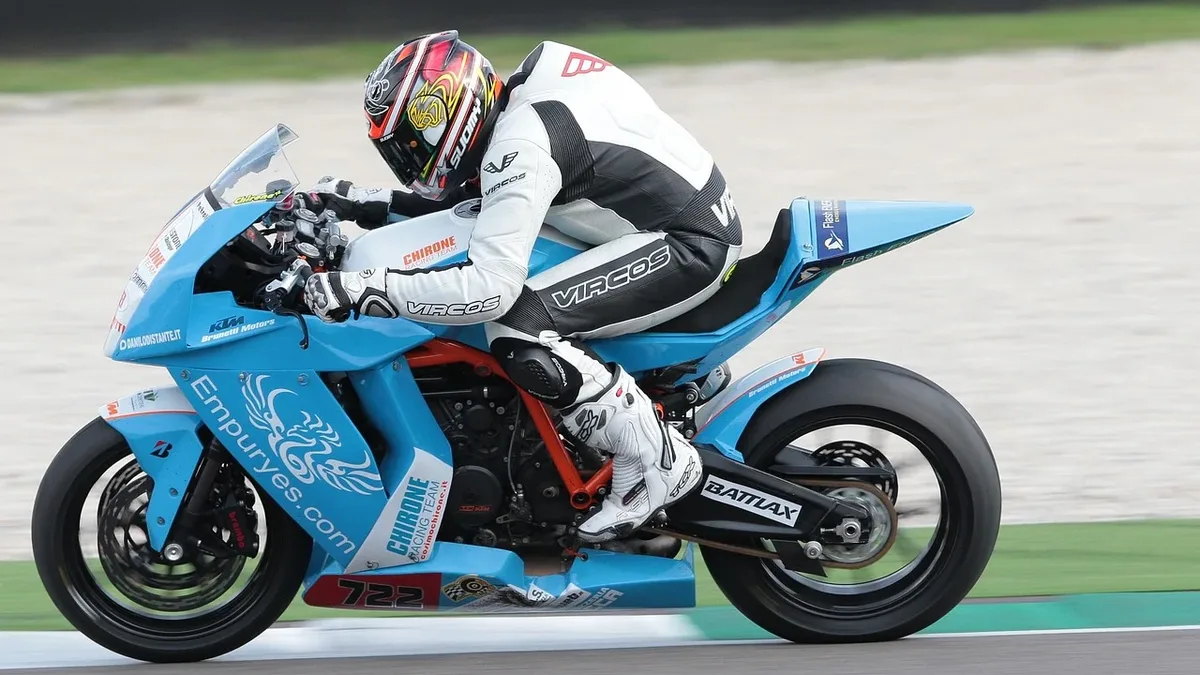
Sasindu Prashansana, riding a Street Triple 1200 RS for the SP57 Racing Team, set the fastest two-wheel time at the 92nd Mahagasthota Hill Climb in...
Bagnaia's Aragon struggles continue
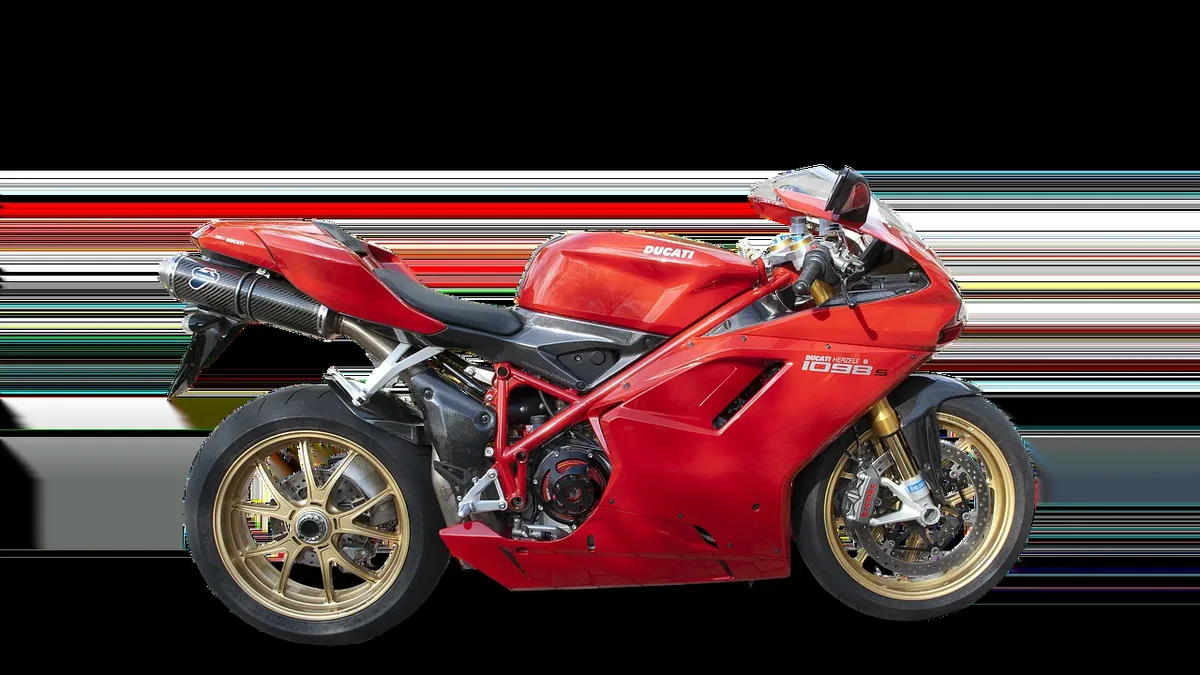
Ducati's Pecco Bagnaia says he has struggled with basic riding since Silverstone, finishing Friday at Aragon 13th while battling a lack of rear grip.
Ducati Hypermotard V2 First Ride Review
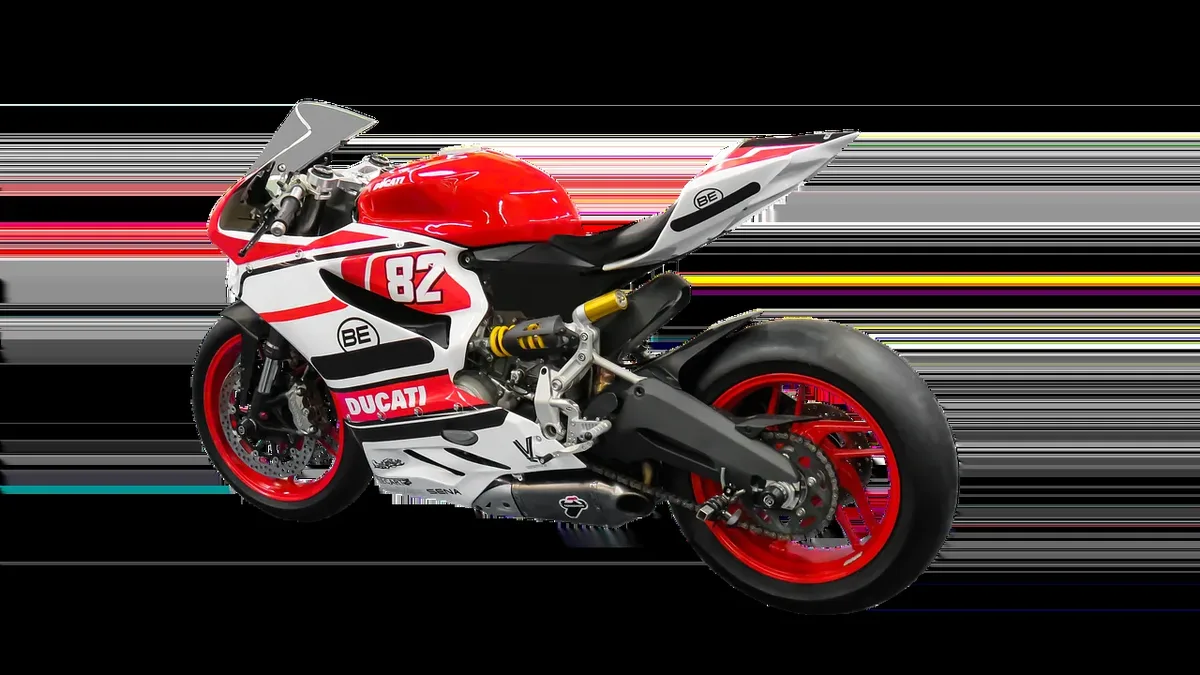
Ducati's new Hypermotard V2, with a 890cc engine producing 94Nm, was tested at Modena. Its electronics aim to boost control while preserving riding...
Triumph Legend Takes on 81-Mile Ride for Dementia UK
Norman Hyde, a former Triumph development engineer, is riding 81 miles without electronic navigation aid to raise awareness and money for Dementia UK.