Isle Of Man Tt
| Venue | Isle of Man TT Mountain Course |
|---|---|
| Event type | Closed-road public street circuit motorcycle race |
| Vehicle type | Production-based and purpose-built racing motorcycles |
| Course length | 37.73 miles (60.72 km) |
| First held | 1907 |
| Original use | Prove the reliability and performance of touring motorcycles |
| Notable feature | Includes public roads between towns and over mountain passes |
| Racing category | Time trial (individual start, racing against the clock) |
Origin and history
The Isle of Man TT is a motorcycle road racing event that originates from the Isle of Man, a British Crown Dependency in the Irish Sea. Its history dates back to the early 20th century, with the first Tourist Trophy race held in 1907 as a reliability trial for road-going motorcycles. The event was established by the Auto-Cycle Club as a safer alternative to racing on mainland British public roads. The original course was the St John's Short Course, but it was soon replaced in 1911 by the iconic Mountain Course, which remains in use today. The TT became the premier international motorcycle racing event in the decades that followed, serving as a crucial proving ground for manufacturers. Racing was suspended during both World Wars but resumed each time, solidifying its legendary status in motorsport history.
What it is designed for
The Isle of Man TT is designed as the ultimate test of outright speed, machine durability, and rider skill on closed public roads. It is a time-trial competition, not a wheel-to-wheel Grand Prix, where riders start individually and race against the clock over a fixed distance. The event specifically tests a motorcycle's ability to maintain high average speeds over a grueling 37.73-mile course filled with constant transitions and surface changes. It is engineered to push the limits of engine performance, chassis stability, and braking endurance far beyond the demands of a purpose-built racetrack. The design inherently prioritizes top-speed capability and high-speed stability on long straights and sweeping curves over pure cornering agility. Furthermore, it demands that riders memorize an immense, unforgiving circuit with blind crests, stone walls, and roadside furniture, making mental fortitude as critical as physical talent.
Development and versions
The development of the Isle of Man TT is intrinsically linked to the evolution of the Mountain Course and the competing motorcycle classes. The course itself has been modified for safety over the decades, with minor realignments and widening, but its fundamental character remains unchanged from the 1911 version. The racing classes have evolved significantly, from early single-cylinder machines to the premier Superbike, Superstock, and Senior TT categories for modern four-cylinder prototypes. The iconic Sidecar TT class for three-wheeled machines has been a constant since the early 20th century, developing its own specialized engineering. The Supersport TT class for production-based middleweight motorcycles was introduced to provide more accessible, showroom-derived competition. A major modern development was the introduction of the TT Zero race for electric motorcycles in 2010, pushing the boundaries of alternative propulsion technology on the demanding course.
Pros and cons
The event provides an extreme development platform that has driven innovation in motorcycle engineering, particularly in engine reliability and aerodynamics. For riders, winning a TT trophy confers a level of prestige and respect within motorsport that is unmatched by circuit racing championships. A significant con is the extreme and ever-present danger; the high-speed public roads course has led to a high number of fatal accidents over its history. The event's format can be a con for spectators and new fans, as the time-trial structure and immense course length make it difficult to follow the competitive narrative compared to circuit racing. A common mistake for competitors is underestimating the absolute necessity of exhaustive course knowledge and recce laps, which leads to errors that are often unrecoverable.
Who it suits
The Isle of Man TT suits a very specific type of professional motorcycle racer who possesses not only exceptional skill but also immense mental discipline and risk acceptance. It is suited to engineers and teams specializing in durability tuning and high-speed stability, rather than those focused solely on circuit-racing chassis dynamics. The event suits dedicated, knowledgeable motorsport enthusiasts who appreciate its history, technical challenge, and raw spectacle over the controlled safety of closed-circuit events. It is not suited to casual fans seeking easy-to-follow, wheel-to-wheel action or those averse to the inherent dangers of the sport. The TT particularly suits manufacturers wishing to prove the robustness and performance of their machines in the most public and demanding environment possible. Ultimately, it is an event for purists who view motorcycle racing through a historical and uncompromising lens.
Latest Isle Of Man Tt news
Latest reporting
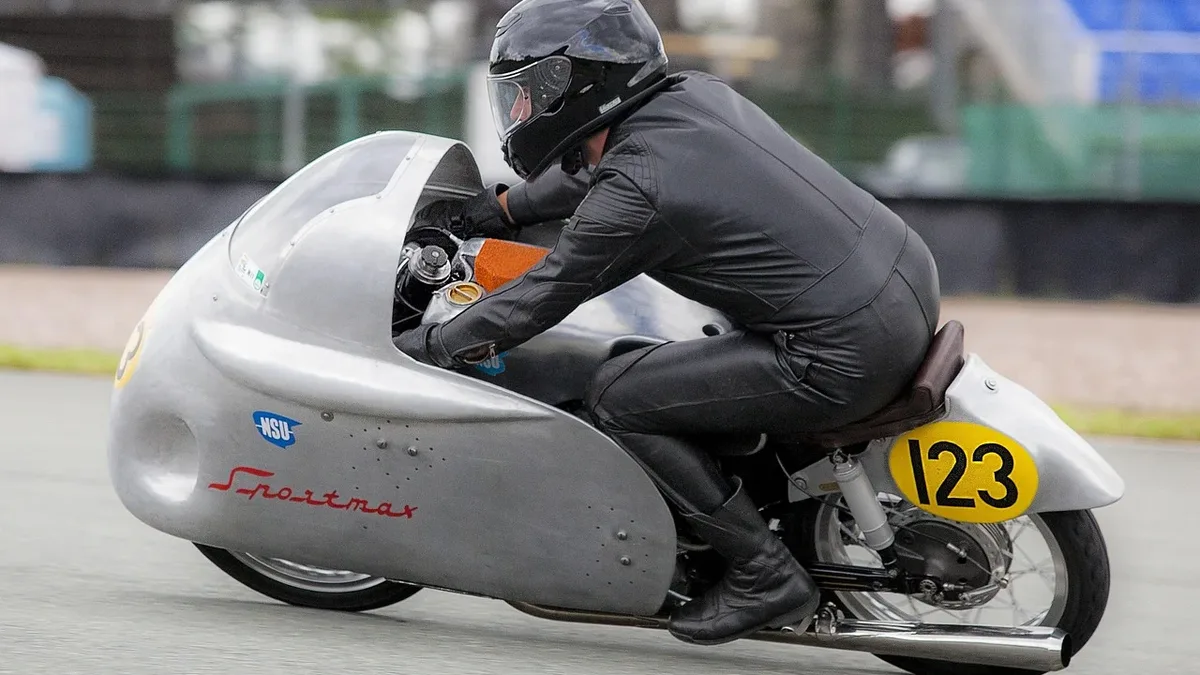
Maria Costello Vows to Fight After TT Crash Paralysis
Veteran Isle of Man TT racer Maria Costello MBE has been left paralysed after a crash during practice for the 2026 Sidecar TT.
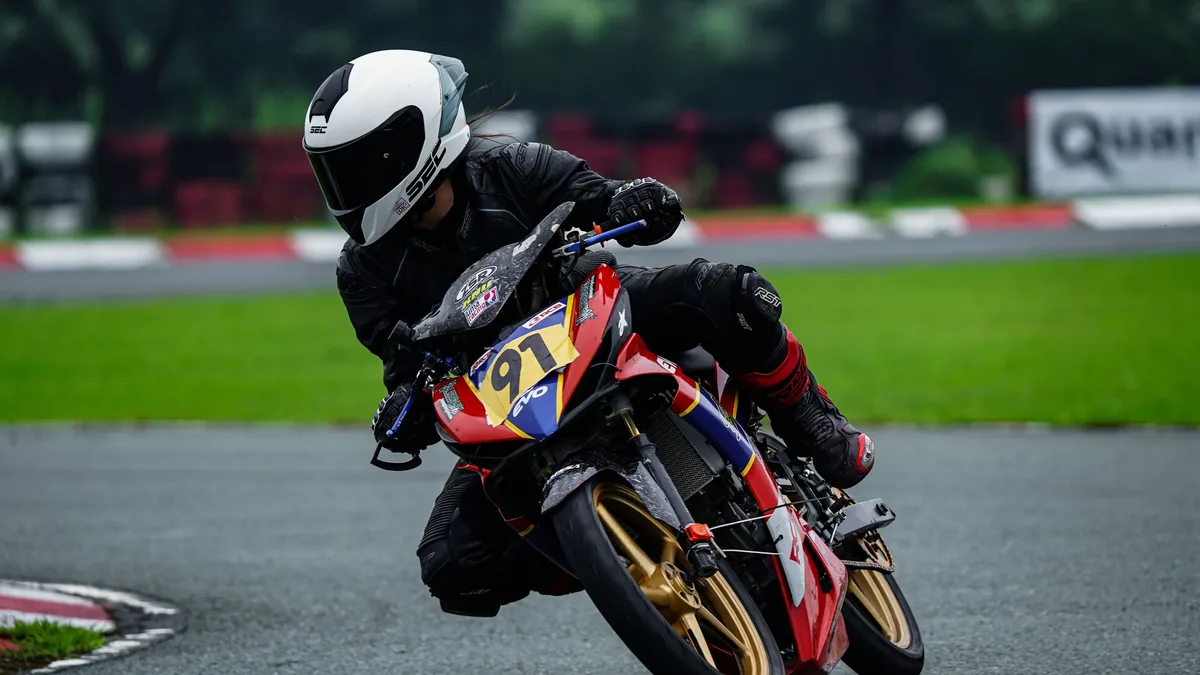
Isle of Man TT Shifts 2027 Schedule for 100th Senior Race
The 2027 Isle of Man TT will feature major schedule changes, moving the historic 100th Senior TT from its traditional closing slot.
Classic TT Organiser Reveals Contingency Plans to Avoid Isle of Man TT Repeat
Isle of Man TT race organiser Gary Thompson has expressed confidence in completing a full schedule for the Manx Grand Prix and Classic TT, despite...
Isle of Man TT Clerk of the Course Responds to Online Criticism
Gary Thompson, the Isle of Man TT's Clerk of the Course, has defended his decisions during the 2026 event, which was marred by poor weather and a...
Manx Grand Prix Qualifying Cancelled Due to Rain
The second day of qualifying at the 2026 Manx Grand Prix has been cancelled due to poor weather on the Isle of Man.
Maria Costello Returns to Race Track After Life-Changing Isle of Man TT Injuries
Maria Costello, who suffered severe injuries at the 2026 Isle of Man TT, made an emotional return to a race track by attending the Thruxton BSB...