Moto2 & Moto3
| Engine displacement | 250cc (Moto3) / 765cc (Moto2) |
|---|---|
| Machine type | Purpose-built, non-production racing motorcycle |
| Chassis type | Tubular steel trellis frame |
| Tire supplier | Dunlop |
| Electronics | Limited (no traction control, no anti-wheelie) |
| Transmission | Six-speed sequential gearbox |
| Fuel | Unleaded racing gasoline |
| Original use | Dedicated feeder series for MotoGP |
Origin and history
Moto2 and Moto3 are two Grand Prix motorcycle racing classes that form the intermediate and entry levels of the FIM Road Racing World Championship, commonly known as MotoGP. Their origins are distinctly European, with the framework and regulations developed by the series' commercial rights holder, Dorna Sports, based in Spain. The Moto3 class was introduced in the 2012 season, replacing the long-standing 125cc two-stroke class which had competed since the championship's inception in the mid-20th century. Moto2 was introduced earlier, debuting in the 2010 season to replace the 250cc two-stroke class, which itself had a storied history dating back decades. The creation of these new classes was a direct response to the need for more sustainable, cost-effective, and competitive racing formats as two-stroke engine development became increasingly expensive and environmentally problematic. These classes were conceived not as manufacturer-dominated series but as tightly controlled, spec-engine championships designed to prioritize rider talent and chassis development over pure engine expenditure.
What it is designed for
Moto2 and Moto3 are fundamentally designed as talent incubators and proving grounds for riders aspiring to reach the premier MotoGP class. The primary design goal is to create highly competitive racing where rider skill and race craft are the decisive factors, achieved by strictly controlling the most expensive and performance-differentiating components. In Moto3, this is executed through a single-engine formula, where all teams use identical 250cc four-stroke, single-cylinder engines supplied by a few manufacturers, while chassis development is open to multiple constructors. Moto2 employs a even stricter control formula, with all teams using identical 765cc triple-cylinder engines supplied by a single manufacturer, derived from a production road-going engine, and all teams using identical standardized electronic control units. The racing is deliberately designed to produce large, close-packed groups of riders, fostering constant overtaking and demanding exceptional tactical awareness and bravery. This environment tests a rider's ability to manage slipstreaming, defend positions, and make split-second decisions in dense traffic at high speeds, which are essential skills for the premier class.
Development and versions
The inaugural Moto2 season in 2010 used a 600cc four-cylinder Honda engine, which was replaced for the 2019 season by the current 765cc Triumph triple-cylinder engine, providing a significant power increase and a broader, more rideable powerband. The chassis in Moto2 have remained open competition, with manufacturers like Kalex, Boscoscuro, and MV Agusta continuously developing frames, swingarms, and suspension geometries within the technical rules. For Moto3, the engine supply has rotated among manufacturers including Honda, KTM, and more recently CFMoto, with each contract period mandating that all engines are tuned to strict, identical performance limits. Aerodynamic developments, such as front fairing winglets, have been introduced and subsequently regulated or banned in both classes to prevent excessive costs and maintain the focus on mechanical grip and rider input. The electronic control units in both classes are severely restricted compared to MotoGP, with Moto2 having a spec ECU with fixed software and Moto3 having no rider-controlled traction control or wheelie control, placing vehicle control firmly in the rider's hands.
Pros and cons
The controlled cost structure also makes competing more financially accessible for teams and sponsors compared to open development series, sustaining a healthy grid size. However, a significant con is that this parity can sometimes mask a rider's true capability to develop a motorcycle, as they have little influence over fundamental engine and electronics packages, a skill critical in MotoGP. The close-pack racing, while spectacular, leads to a high risk of multi-rider crashes, where a rider's championship can be ruined through no direct fault of their own, which is a frequent and valid criticism of the format. Some riders regret moving into Moto2 from Moto3, struggling to adapt to the heavier, more powerful bike that requires a smoother, more measured riding style, which can stall a promising career. A common mistake for teams is over-focusing on minor chassis tweaks in Moto2 while neglecting the critical areas of team coordination, tire management, and rider psychology, which often yield greater returns in such a standardized environment.
Who it suits
Moto3 ideally suits teenage riders, typically from their mid-teens to early twenties, who are transitioning from national or continental championships and possess aggressive, point-and-squirt riding styles suited to lightweight bikes. It also suits highly tactical riders who excel at positioning, slipstream management, and making decisive moves in the final laps of a race. Moto2 suits riders who have mastered the basics of Grand Prix racing and are developing a more refined, physically demanding style to handle a heavier machine with greater corner speed and brake management requirements. This class benefits riders who are technically astute enough to provide precise chassis feedback to their engineers, as chassis setup is the primary tuning variable available. Neither class suits riders who require extensive electronic aids to feel comfortable, or those who thrive in a development role with a factory; such riders often find the restrictions frustrating. Ultimately, both classes serve as essential filters, identifying which riders possess the adaptable skill set and mental resilience required for the ultimate step to MotoGP prototype machinery.
Latest Moto2 & Moto3 news
Latest reporting
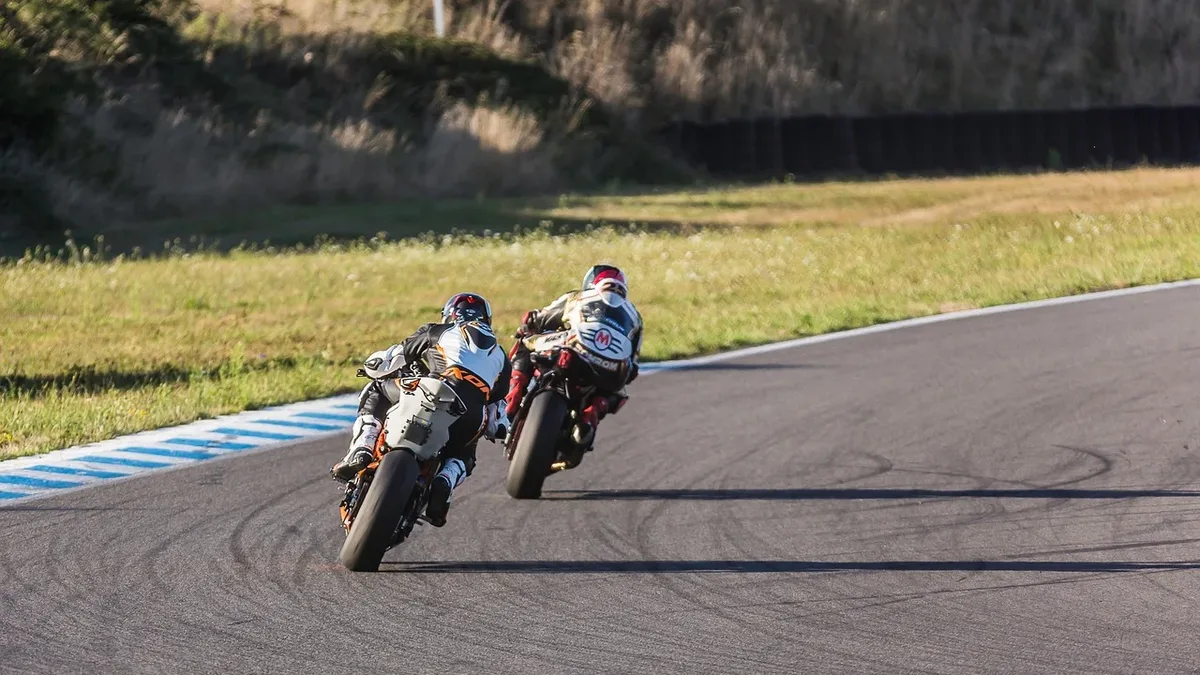
Simoncelli warns Moto2 and Moto3 are fading
Sic58 team boss Paolo Simoncelli criticizes the declining visibility of Moto2 and Moto3, arguing that poor TV coverage and paddock segregation risk...
Cal Crutchlow backs Diogo Moreira for factory Honda MotoGP
Cal Crutchlow says choosing rookie Diogo Moreira over Moto2's David Alonso for Honda's 2027 factory seat is an 'absolute no-brainer'.
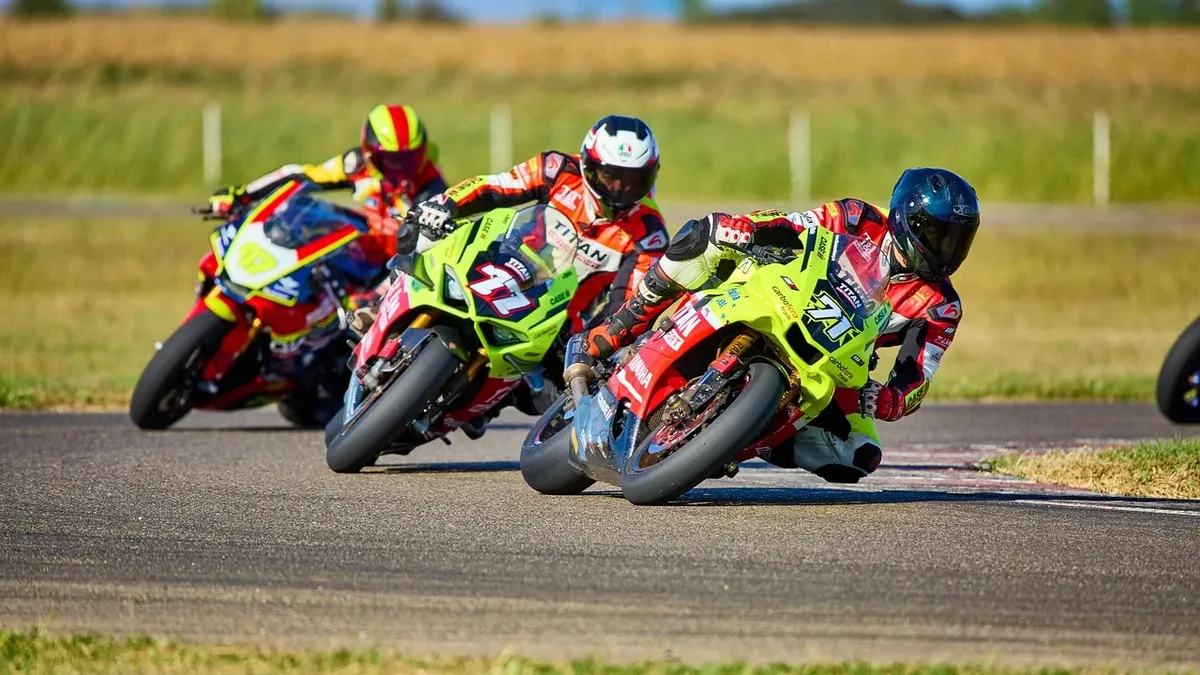
Alonso Lopez Takes 2026 Moto2 Aragon GP Win
Alonso Lopez secured his first Moto2 victory in over two years, leading every lap at MotorLand Aragon. He finished 0.8 seconds ahead of Izan Guevara...
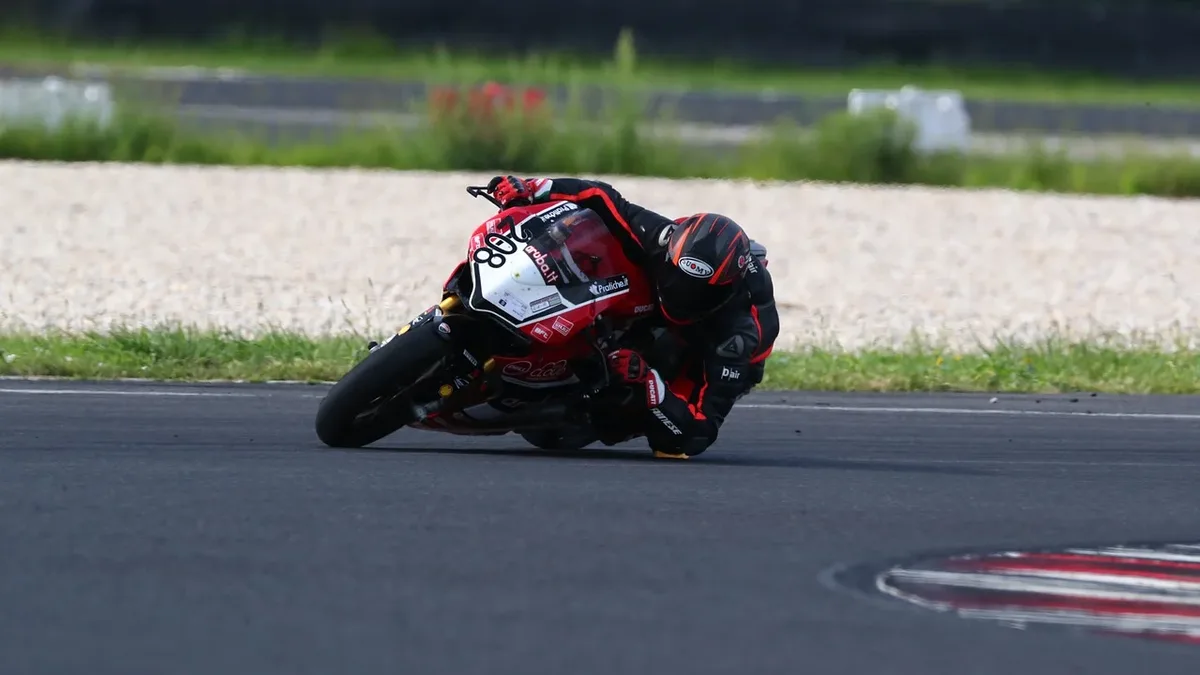
Lopez Wins Moto2 Race at Aragon, Gonzalez
Alonso Lopez won the Moto2 race at MotorLand Aragon, beating Izan Guevara by 0.800 seconds. Manuel Gonzalez maintains the championship lead with...
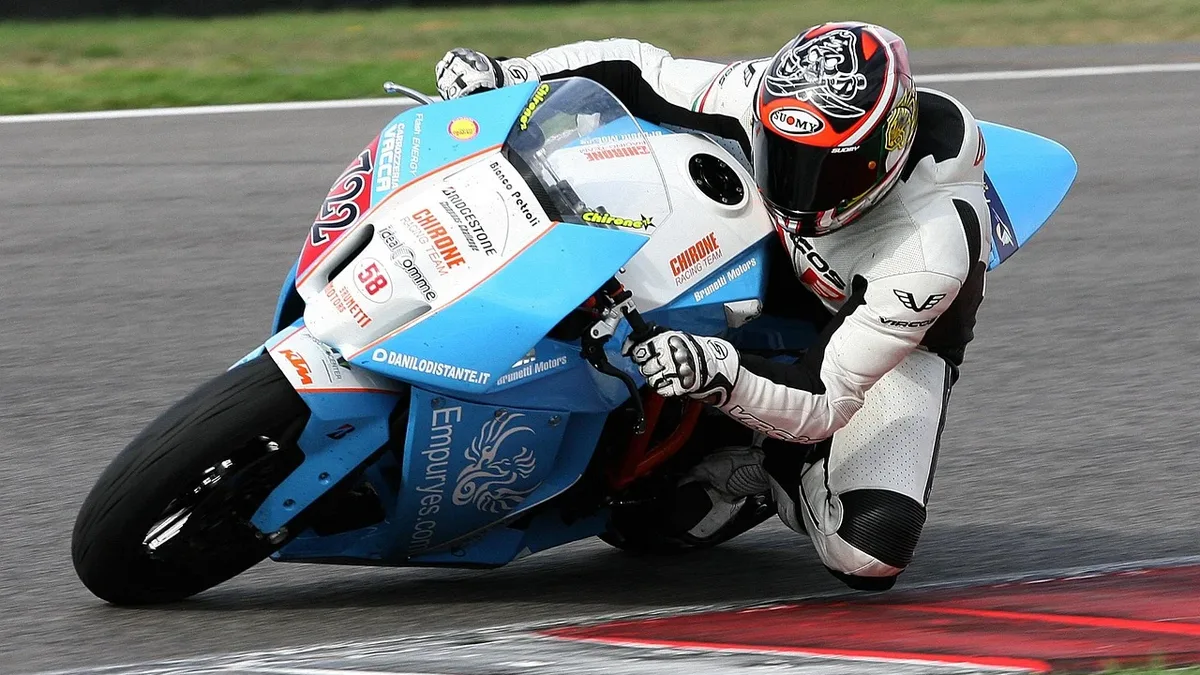
Vietti Joins CFMOTO Aspar for 2027
Celestino Vietti will join the CFMOTO Aspar Team in Moto2 for the 2027 season, aiming to contest the championship.
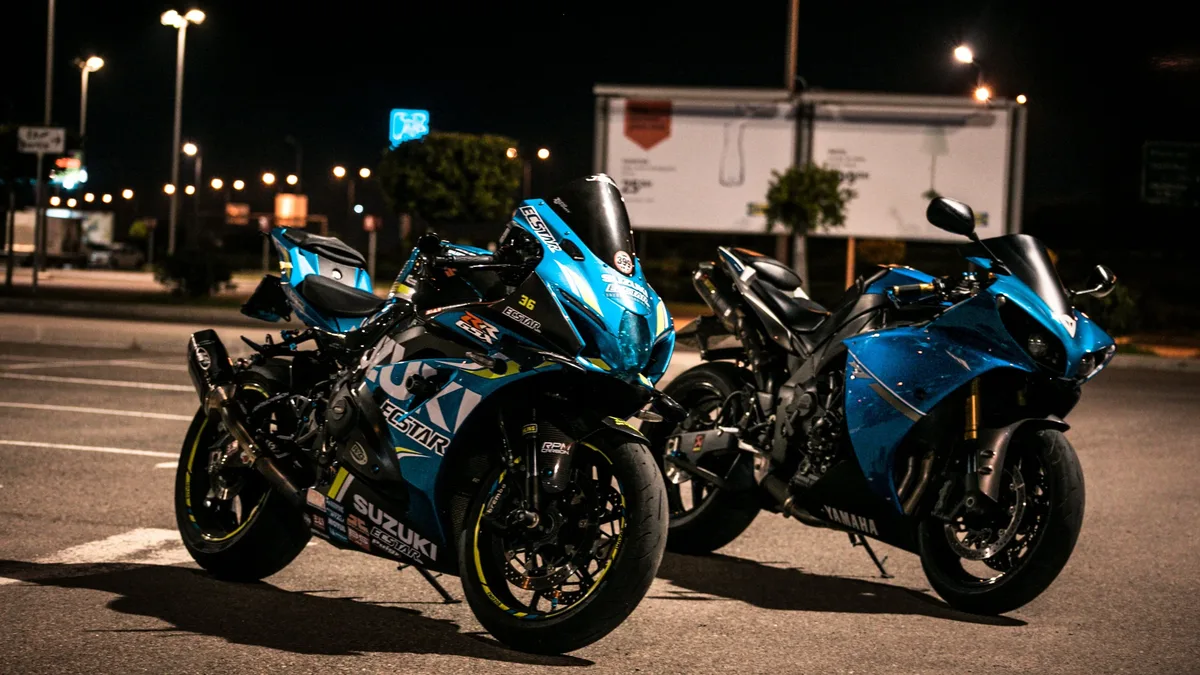
New MotoGP Ladder Could Help British Riders
Triumph's Steve Sargent believes the new MotoGP ladder could help British riders by creating a more logical progression from Moto3 to Moto2 and then...