Moto2
Origin and history
Moto2 is a professional motorcycle racing class that originated within the FIM Grand Prix motorcycle racing world championship, commonly known as MotoGP. Its creation was a direct organizational decision by the series' commercial rights holder, Dorna Sports, in the late 2000s. The class was formally introduced for the 2010 season, replacing the long-standing 250cc two-stroke class. This change was part of a broader shift in Grand Prix racing toward more affordable, sustainable, and competitive four-stroke engine formulas. The genesis of Moto2 was heavily influenced by the desire to control costs and level the technical playing field for teams. Its historical roots are firmly planted in the European-centric tradition of Grand Prix road racing, which dates back to the mid-20th century.
What it is designed for
Moto2 is designed to serve as a highly competitive intermediate class that bridges the gap between the lightweight Moto3 category and the premier MotoGP class. Its primary design purpose is to showcase rider talent and racecraft by strictly limiting technical variables, placing the emphasis firmly on the skill of the competitor. The class is engineered to provide a cost-controlled platform where privateer teams can compete without the exorbitant budgets of a prototype category. It is specifically designed to run on a single-supply engine, eliminating factory engine development wars and creating close, unpredictable racing. The chassis are prototype, allowing for engineering innovation in suspension, geometry, and aerodynamics within the rules. Ultimately, it is a training ground designed to prepare the world's best riders for the physical and mental demands of MotoGP.
Development and versions
The fundamental technical specification of Moto2 has remained consistent since its inception: all teams use a standardized 765cc Triumph triple-cylinder engine. Prior to the 2019 season, the class utilized a standardized 600cc Honda inline-four engine, marking its first major developmental shift. The chassis, however, have always been open for competition, with manufacturers like Kalex, Speed Up, and Boscoscuro producing frames that teams can purchase and develop. Aerodynamic developments, such as winglets and integrated fairing designs, have become a significant area of version differentiation between chassis builders in recent years. Electronic control is also tightly regulated, with a standardized Magneti Marelli ECU and limited traction control compared to MotoGP. The tire supply is a single manufacturer, currently Dunlop, which provides a controlled compound and construction to all participants.
Pros and cons
A primary pro of Moto2 is the exceptionally close and frequent racing it produces, as the performance parity of the machines leads to large, battling groups. The cost-capped, single-engine formula provides a more financially sustainable entry point to the world championship for teams compared to MotoGP. A significant con is that the intensity of the mid-pack battles can lead to a high incidence of multi-rider crashes, often ruining the race for innocent parties. Riders and teams can regret the choice when a promising weekend is undone by the chaotic nature of these pack dynamics, which are largely outside an individual's control. A common mistake for riders moving up from Moto3 is underestimating the physical demand of the heavier, more powerful bike and the need for a more aggressive riding style to manage tire wear over race distance.
Who it suits
Moto2 ideally suits ambitious road racers who have demonstrated success in national championships or the Moto3 world championship and are seeking the next professional step. It is tailored for riders whose strength lies in racecraft, overtaking, and managing races within a pack, rather than those reliant on a technical advantage from their machine. The class suits engineers and mechanics interested in chassis dynamics and mechanical setup, as it is the primary performance differentiator. It is also a suitable category for sponsors seeking high visibility at a relatively manageable cost within the MotoGP paddock. Furthermore, it suits team managers and owners who operate without the backing of a major motorcycle manufacturer but possess the expertise to develop a competitive package. Ultimately, it is the definitive category for any rider with the stated goal of reaching MotoGP, as it is the mandatory and most relevant preparatory stage.
Latest Moto2 news
Latest reporting
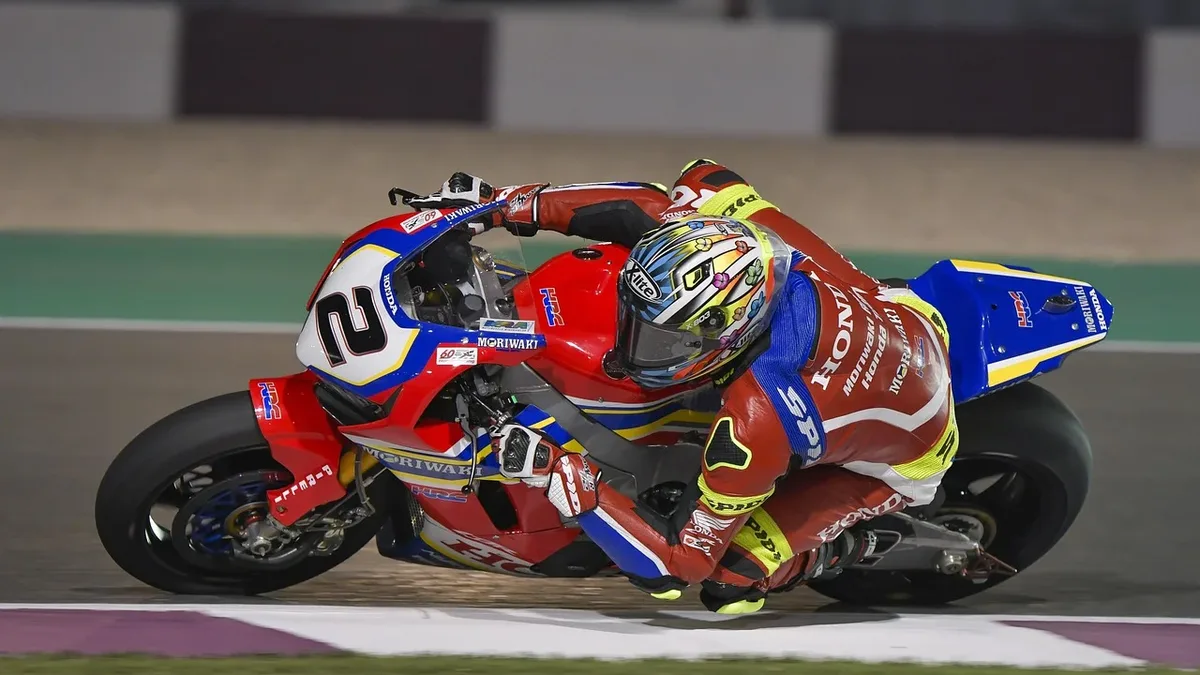
Marc Marquez Hopes Quiles Faces Early Moto2 Struggles
New Moto3 champion Maximo Quiles will join Aspar in Moto2 for 2026. Mentor Marc Marquez hopes the 18-year-old faces early challenges to aid his...
Simoncelli warns Moto2 and Moto3 are fading
Sic58 team boss Paolo Simoncelli criticizes the declining visibility of Moto2 and Moto3.
Cal Crutchlow backs Diogo Moreira for factory Honda MotoGP
Cal Crutchlow says choosing rookie Diogo Moreira over Moto2's David Alonso for Honda's 2027 factory seat is an 'absolute no-brainer'.
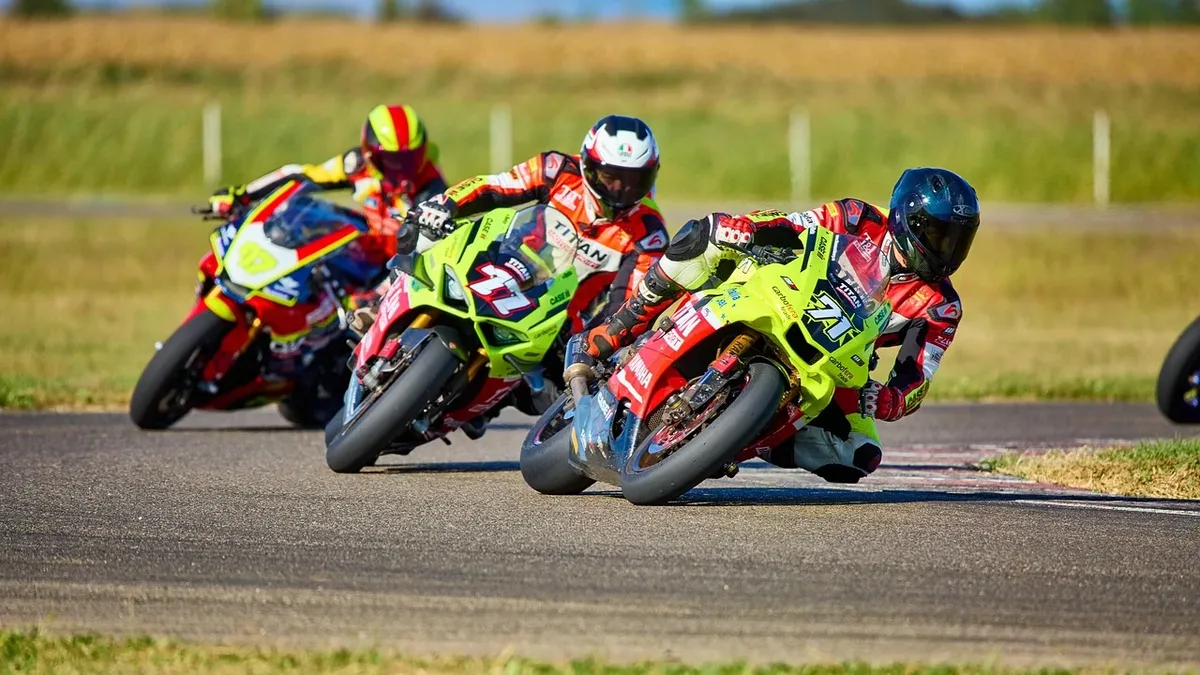
Alonso Lopez Takes 2026 Moto2 Aragon GP Win
Alonso Lopez secured his first Moto2 victory in over two years, leading every lap at MotorLand Aragon. He finished 0.8 seconds ahead of Izan Guevara...
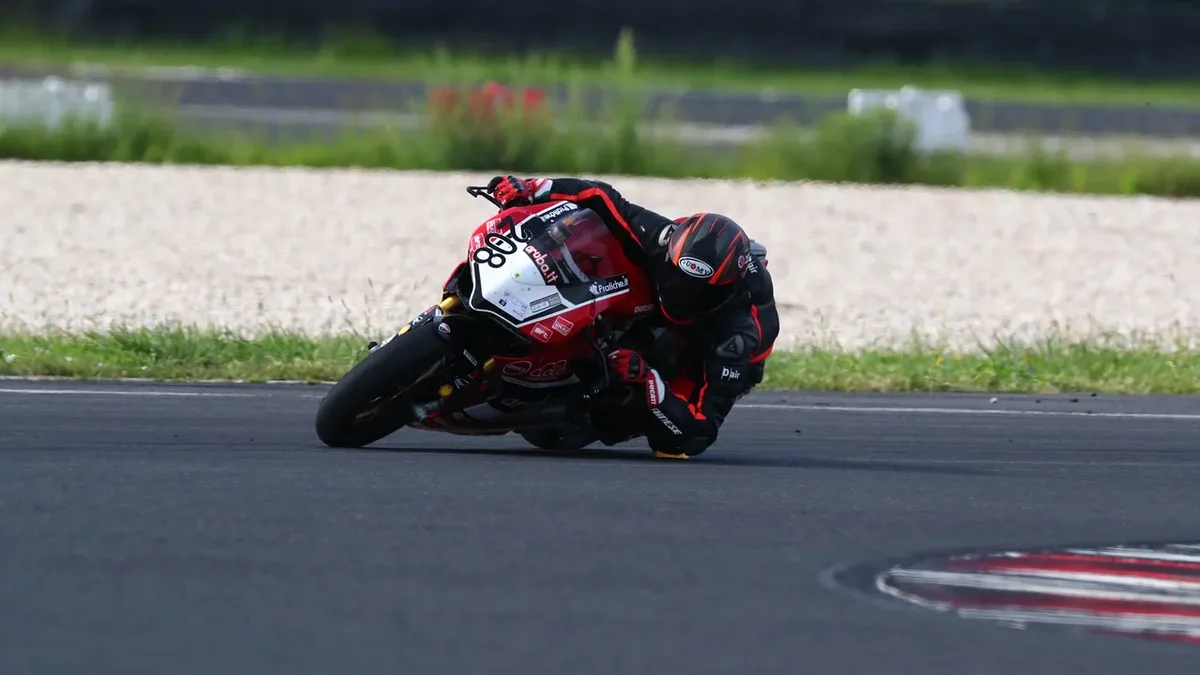
Lopez Wins Moto2 Race at Aragon, Gonzalez Keeps Championship Lead
Alonso Lopez won the Moto2 race at MotorLand Aragon, beating Izan Guevara by 0.800 seconds. Manuel Gonzalez maintains the championship lead with...
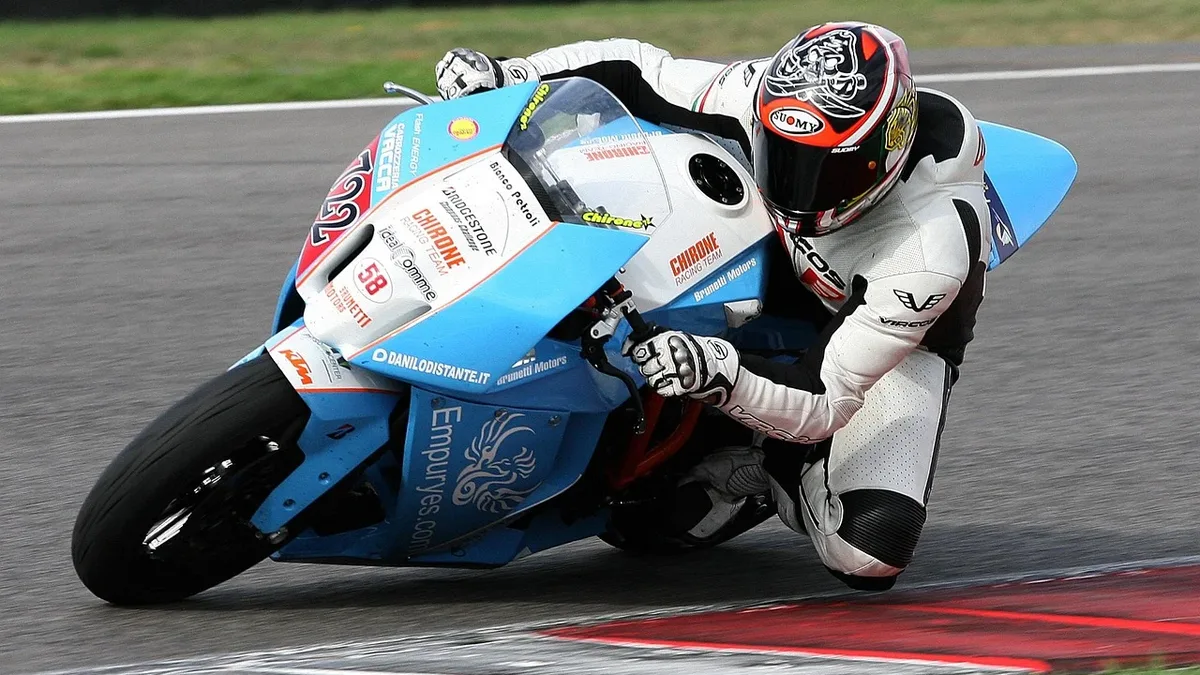
Vietti Joins CFMOTO Aspar for 2027
Celestino Vietti will join the CFMOTO Aspar Team in Moto2 for the 2027 season, aiming to contest the championship.