Worldsbk
| Category | Motorcycle racing |
|---|---|
| Country of origin | Italy |
| First created | 1988 |
| Original use | Production-based motorcycle championship |
| Machine basis | Road-legal production superbikes |
| Engine displacement | 1000cc |
| Championship structure | Two races per round, plus a shorter Superpole race |
| Tyre supplier | Pirelli |
Origin and history
The FIM Superbike World Championship, universally known as WorldSBK, is an international motorcycle road racing series founded in the late 1980s. It originated in Europe, specifically created by the Fédération Internationale de Motocyclisme as a production-based alternative to the prototype-focused Grand Prix world championships. The inaugural season was held in 1988, establishing a distinct identity separate from the MotoGP World Championship. Its core premise was to feature racing machinery derived more directly from motorcycles available for public purchase, creating a tangible link between showroom and track. This foundational concept aimed to foster competition among major manufacturers based on modified production models, enhancing relevance for motorcycle enthusiasts. The series quickly grew from a European-focused championship to a globally recognized tour, visiting circuits across multiple continents.
What it is designed for
WorldSBK is designed as a premier racing championship for production-derived superbikes, serving as a direct technological and marketing battleground for major motorcycle manufacturers. Its primary purpose is to showcase and develop high-performance motorcycles that are closely related to models consumers can buy, emphasizing engineering derived from mass production. The series is engineered to test machine durability and performance over two full-length races per event, unlike the single-race format common in many series, placing a premium on consistent bike setup and reliability. It provides a competitive platform for riders who specialize in managing tire wear and race strategy across longer distances, demanding a distinct skillset from pure sprint racing. Furthermore, the championship is structured to create close, wheel-to-wheel racing by balancing performance through technical regulations like weight penalties and rev limits. This design fosters a direct connection between racing success and brand perception in the commercial superbike market.
Development and versions
The championship has developed significantly since its inception, most notably through the evolution of its technical regulations and the expansion of its supporting classes. The core Superbike class regulations have undergone continuous refinement, shifting from relatively simple production-based rules to highly controlled technical specifications that manage costs and competition. Key developments include the introduction of a unified electronic control system and the implementation of a balancing performance mechanism through rev limits and weight handicaps based on race results. The series has expanded beyond the premier class to include the World Supersport Championship, launched in the 1990s for middleweight production sportbikes, and later the World Supersport 300 category for smaller entry-level machines. A major structural version change occurred in the early 2020s with the introduction of the World Superbike Commission, which consolidated the rule-making process among the FIM, Dorna, and manufacturers. The motorcycle specifications themselves have evolved from modified street bikes to near-prototype machines, though they still maintain the requirement of a homologated production model.
Pros and cons
A significant pro of WorldSBK is the close racing and frequent overtaking it produces, largely due to performance balancing regulations that prevent a single manufacturer from dominating indefinitely. The production-based philosophy creates a more direct technological link to road-going motorcycles, making engineering developments somewhat more relevant to consumer models compared to pure prototype series. However, a common con is the complexity and perceived artificiality of the performance balancing system, where success ballast and rev limit reductions can punish winners in a way some fans and teams find arbitrary. Teams and riders can regret entering without substantial factory backing, as the championship has become highly specialized and competitive, making privateer success exceedingly rare without significant technical support. A frequent mistake for new viewers is underestimating the physical and strategic demands of the two-race format, which requires a different approach to bike conservation than a single sprint. The series also faces the constant challenge of maintaining a distinct identity and prestige while operating in the shadow of the prototype-focused MotoGP championship.
Who it suits
WorldSBK suits motorcycle manufacturers seeking to promote their flagship production sportbikes through a direct, technology-focused racing platform with clear marketing relevance to consumers. It is ideal for riders who excel at race management, tire conservation, and consistent lap times over longer distances, rather than pure qualifying pace. The championship appeals to teams with strong technical foundations in production motorcycle engineering and the resources to develop race bikes within a tightly controlled rulebook. It suits fans and sponsors who prefer racing where the machinery bears a closer resemblance to bikes available in dealerships, valuing that tangible connection. The supporting classes, particularly World Supersport, provide a crucial pathway for young riders aiming to reach the premier class, often suiting those who develop their careers outside the Grand Prix paddock. Ultimately, it serves a dedicated global fanbase that appreciates the distinct character, competitive racing, and technical challenges specific to production-based championship racing.
Latest Worldsbk news
Latest reporting
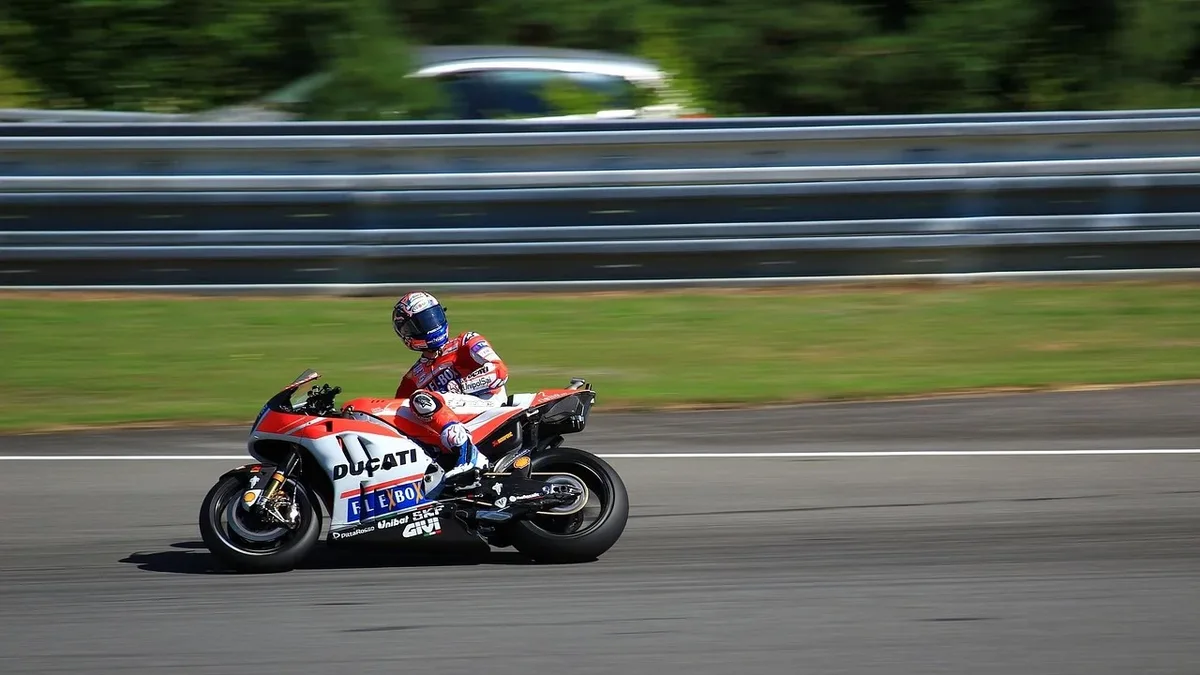
Tommy Bridewell extends WorldSBK deal with Superbike
Tommy Bridewell will remain with the Superbike Advocates team for the 2027 WorldSBK season, continuing to race a Ducati Panigale V4 R.
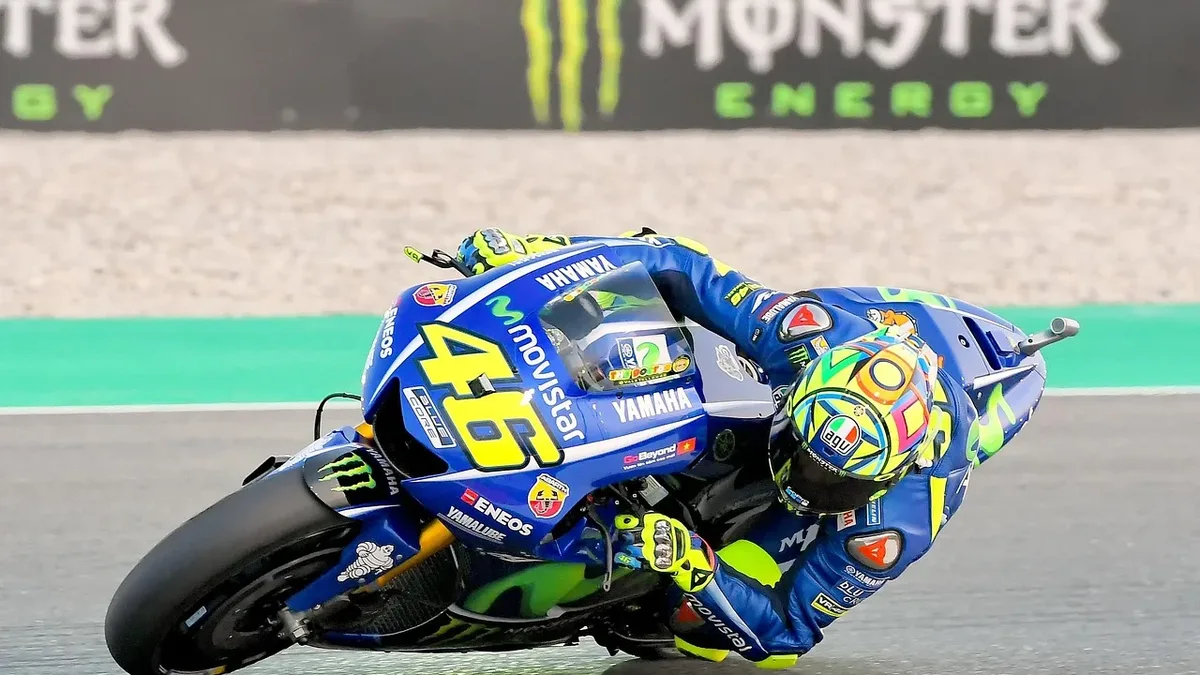
Nicolò Bulega Joins VR46 Racing Team for 2027 MotoGP Season
WorldSBK leader Nicolò Bulega will make his full-time MotoGP debut in 2027 with the Pertamina Enduro VR46 Racing Team, partnering Fermín Aldeguer on a
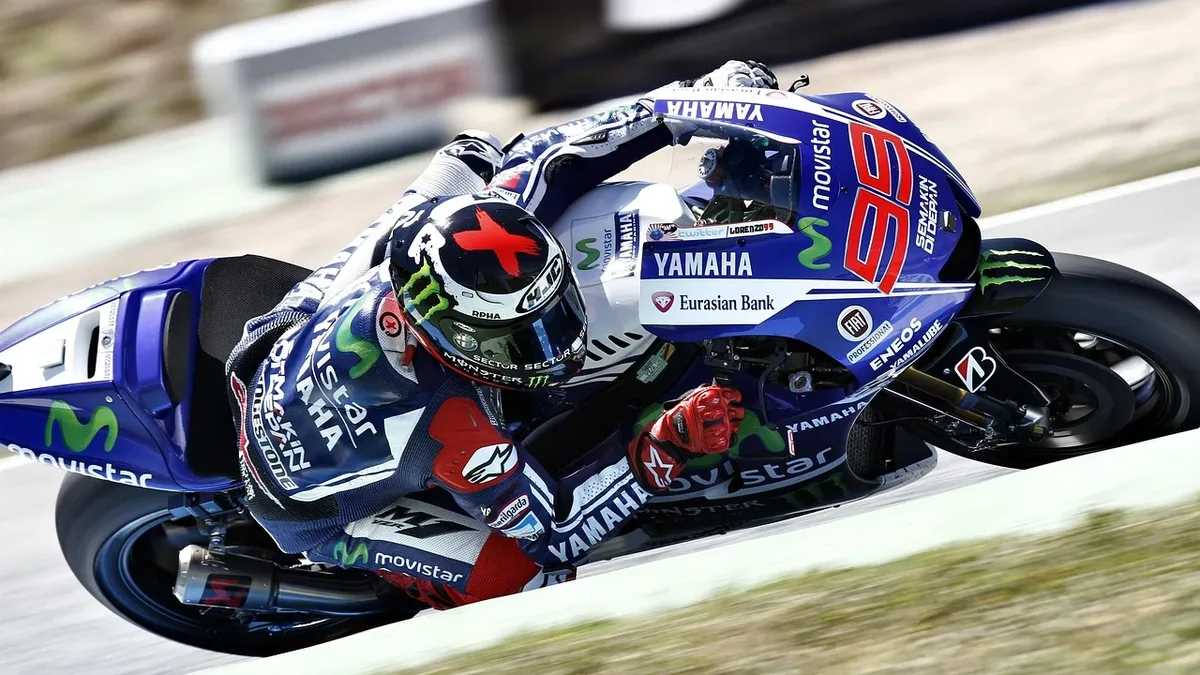
Yamaha signs Jack Miller for 2027 WorldSBK
Yamaha has signed MotoGP race winner Jack Miller for its factory WorldSBK team starting in 2027, citing his experience and Michelin tyre knowledge as...
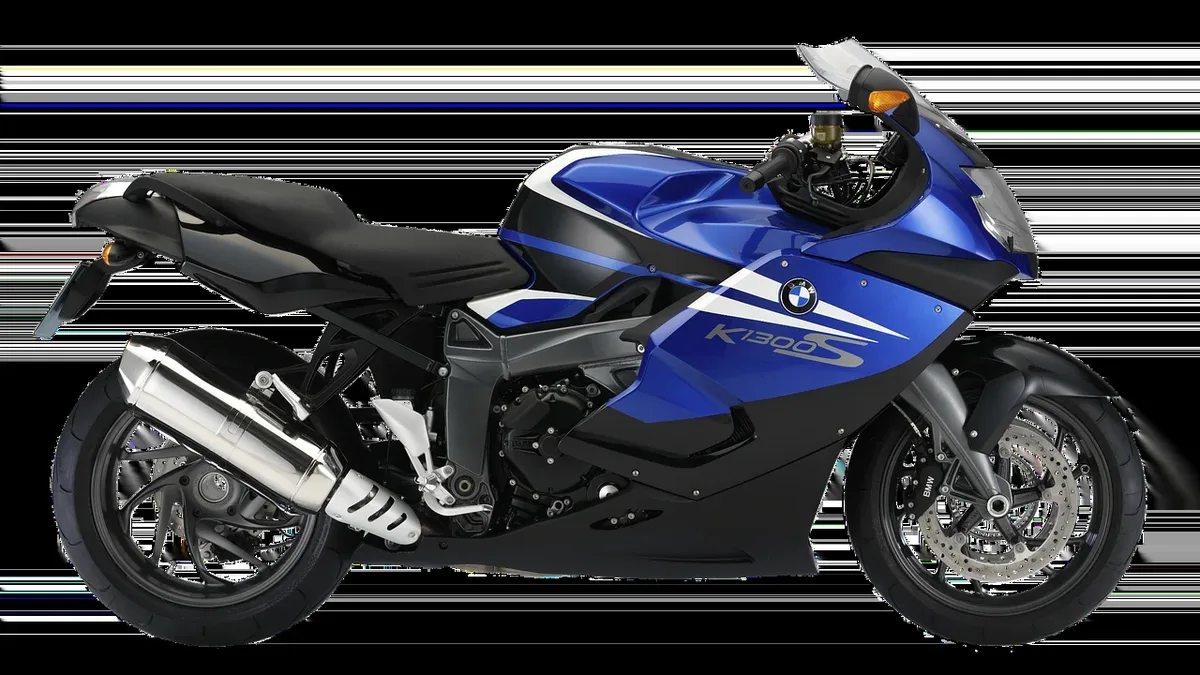
Brad Binder joins BMW WorldSBK team for 2027
BMW confirms Brad Binder will leave KTM MotoGP to partner Miguel Oliveira in its factory WorldSBK team starting in 2027, replacing Danilo Petrucci.
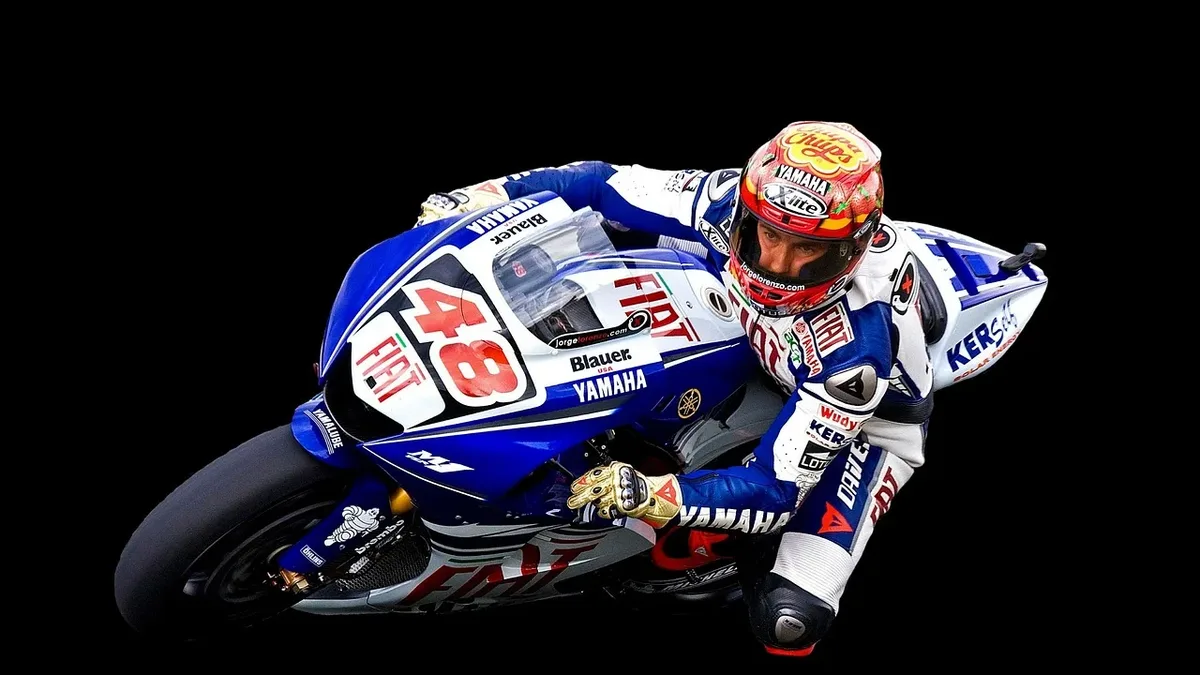
Jack Miller Switches From MotoGP to Pata Yamaha WorldSBK
Australian rider Jack Miller will leave MotoGP after 11 seasons to join the Pata Maxus Yamaha team in the World Superbike championship on a two-year...
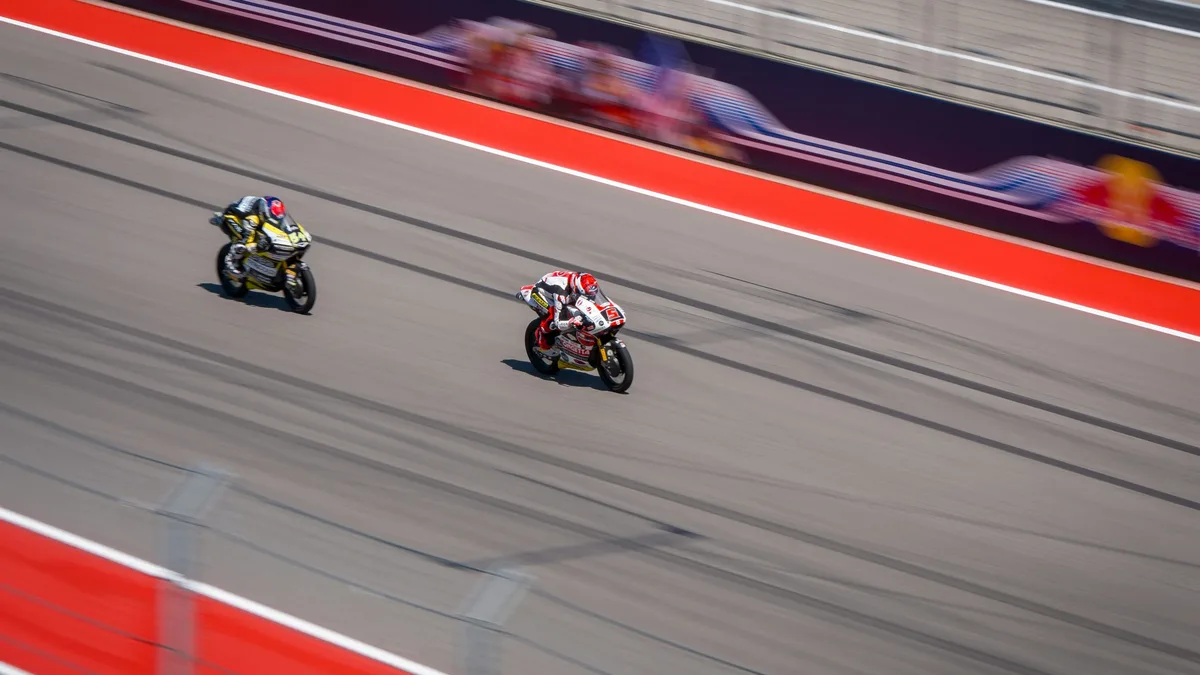
Bulega Dominates WorldSBK Race Two at Magny-Cours
Nicolo Bulega won the French Round's second World Superbike race by over five seconds, extending his championship lead.