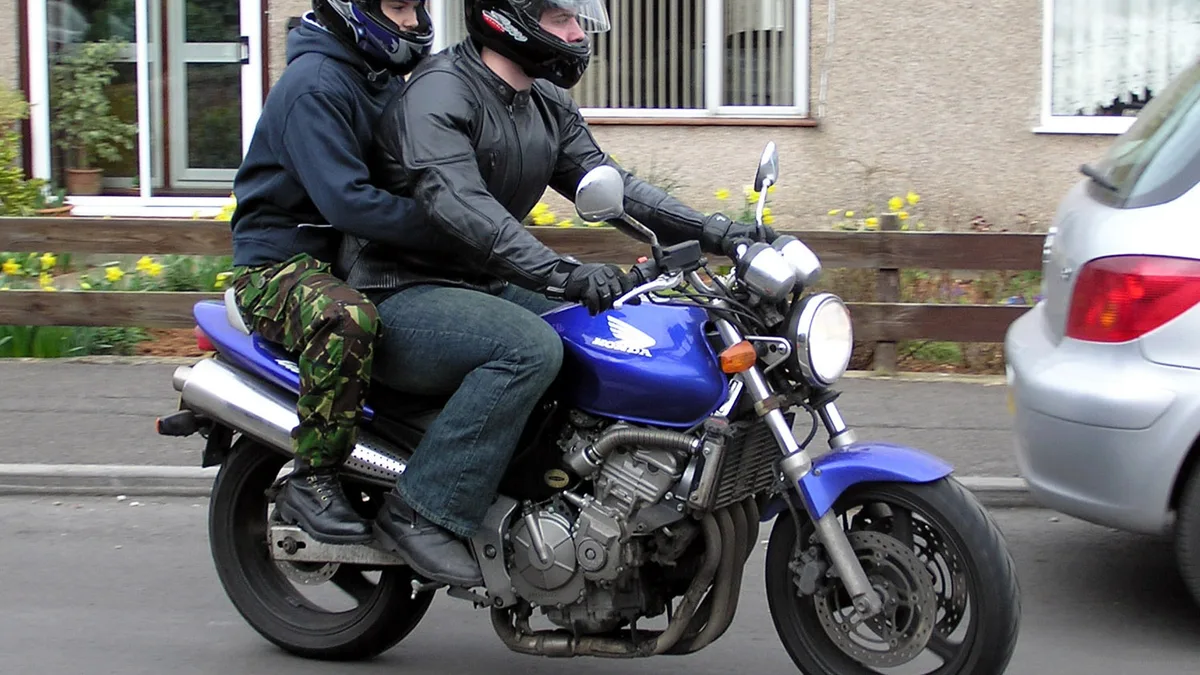
Pillion Riding
| Original use | Carrying a passenger on a motorcycle |
|---|---|
| Position | Behind the primary rider/operator |
| Safety requirement | Dedicated passenger footpegs and handholds |
| Common gear | Passenger helmet, appropriate jacket, gloves |
| Communication | Often requires pre-arranged signals or intercom systems |
| Effect on handling | Increases weight and alters motorcycle dynamics |
| Legal status | Permitted in most jurisdictions with age/gear requirements |
Origin and history
Pillion riding originates from the practice of carrying a second person on a horse or, later, a motorcycle. The term "pillion" itself dates back to the late 15th century, derived from the Gaelic "pillean," meaning a small pad or cushion. Its application to motorcycles emerged naturally in the early 20th century as motorcycles became a more common form of transport. The need for a simple, cost-effective way to carry a passenger without a sidecar ensured the practice's persistence. It was widely documented in military, postal, and civilian use throughout Europe and North America by the 1920s. The fundamental arrangement has remained largely unchanged since its motorized adoption, being a standard feature of road-going motorcycles.
What it is designed for
Pillion riding is designed for the transportation of a single passenger on a motorcycle not equipped with a sidecar. Its primary function is to utilize existing motorcycle geometry to carry an additional person behind the operator. The design assumes the passenger will share the main seat or occupy a dedicated rear portion, using provided footpegs and handholds. It is engineered for short to medium-distance travel on paved roads, where the combined weight and balance can be managed by a skilled rider. The system is intended for casual, social, or utilitarian travel rather than for high-performance or off-road applications. Its design inherently prioritizes simplicity and accessibility over passenger isolation or luxury.
Development and versions
Development has focused on improving passenger safety, comfort, and integration with the motorcycle's dynamics. Early versions offered minimal accommodation, often just a leather pad and rudimentary footrests. The introduction of dedicated pillion seats, integrated grab rails, and standardized footpeg locations marked significant advancements by the mid-20th century. Modern versions include sophisticated sub-seat mounting points, passenger footpeg brackets integrated into the frame, and ergonomically designed grab handles. Some touring motorcycles feature versions with backrests, armrests, and interconnected suspension systems to improve the passenger experience. The core concept, however, remains a passive passenger position directly behind the rider, distinguishing it from alternative arrangements like sidecars or tandem trikes.
Pros and cons
A primary pro is the low-cost and simple method of adding passenger capacity to a standard motorcycle without major modifications. It fosters direct communication between rider and passenger and shares the riding experience intimately. A significant con is the drastic alteration of the motorcycle's handling dynamics, increasing weight, raising the center of gravity, and lengthening stopping distances. Passengers who move independently or unpredictably can create dangerous instability, especially during cornering or low-speed maneuvers. Many riders regret attempting pillion riding without proper preparation, as the common mistake is underestimating the required skill adjustment. The passenger experience is often physically demanding, with exposure to elements and vibration leading to discomfort on longer journeys.
Who it suits
Pillion riding suits experienced, confident riders who have practiced the unique skills of managing a motorcycle with a passive load. It is appropriate for passengers who are attentive, able to follow instructions precisely, and physically capable of bracing themselves appropriately. This arrangement suits couples or friends engaging in short recreational rides or using the motorcycle for practical urban transport. It is less suited for very long-distance touring, for riders new to motorcycling, or for carrying children without specialized, securely mounted equipment. The practice is a poor fit for motorcycles not originally designed with pillion provisions, as retrofitted accommodations may compromise structural integrity. Ultimately, it suits those who prioritize shared experience and practicality over maximum passenger comfort and vehicle performance.
Latest Pillion Riding news
Latest reporting
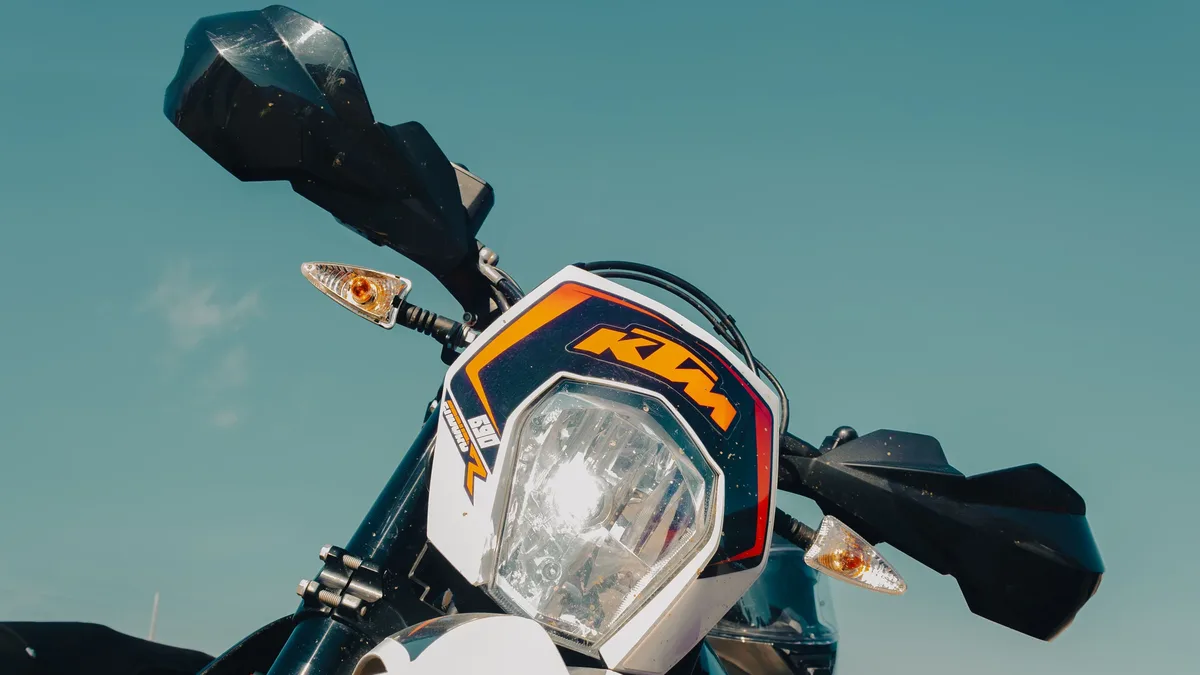
Pedro Acosta's Riding Style Evolution Sets KTM Benchmark
Pedro Acosta's refined and smoother riding technique has made him KTM's sole front-runner in the 2026 MotoGP season, as teammates fail to copy his...
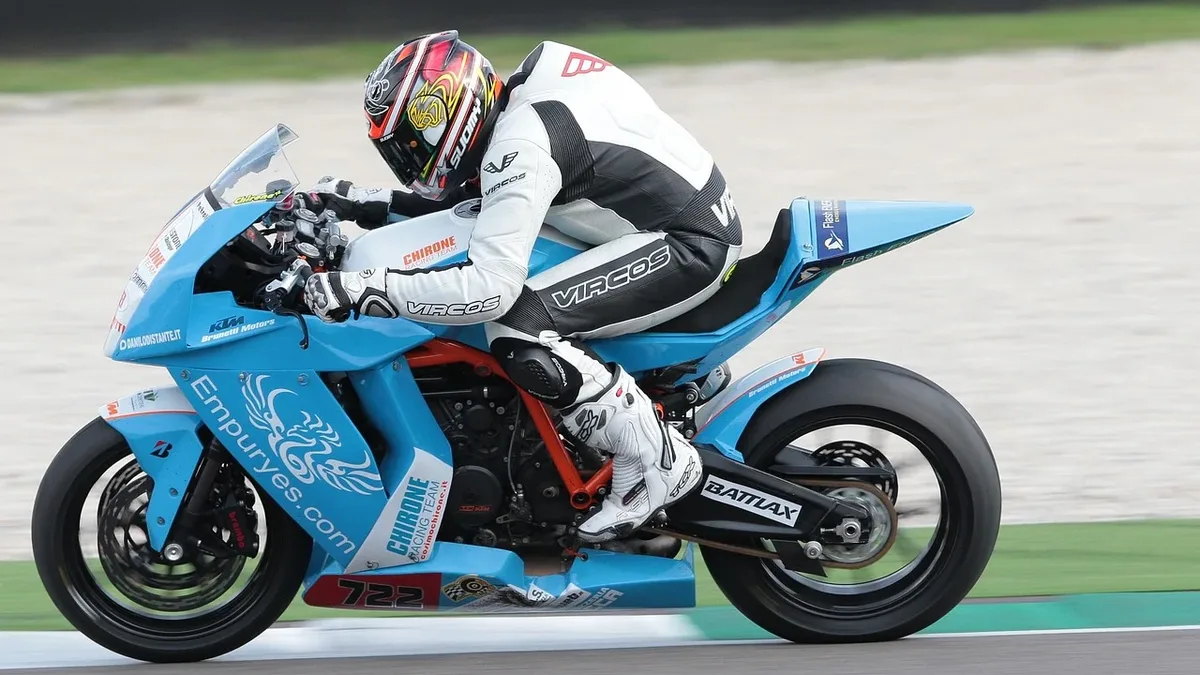
Sasindu Prashansana Triumphs at 92nd
Sasindu Prashansana, riding a Street Triple 1200 RS for the SP57 Racing Team, set the fastest two-wheel time at the 92nd Mahagasthota Hill Climb in...
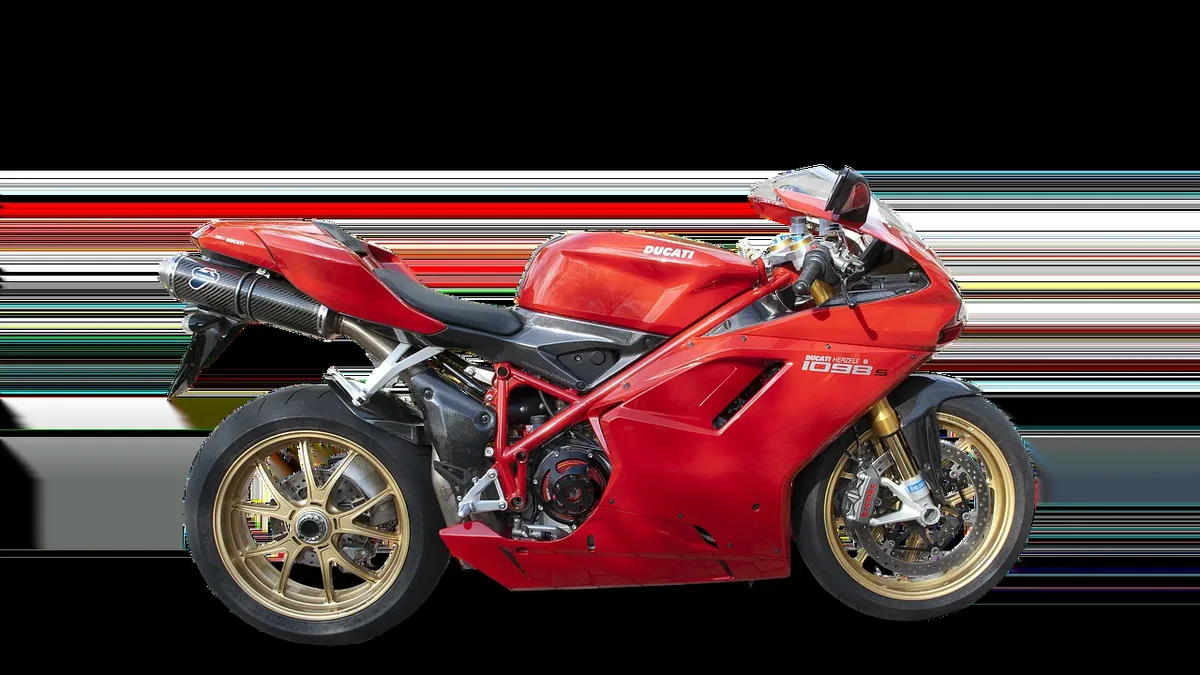
Bagnaia's Aragon struggles continue
Ducati's Pecco Bagnaia says he has struggled with basic riding since Silverstone, finishing Friday at Aragon 13th while battling a lack of rear grip.
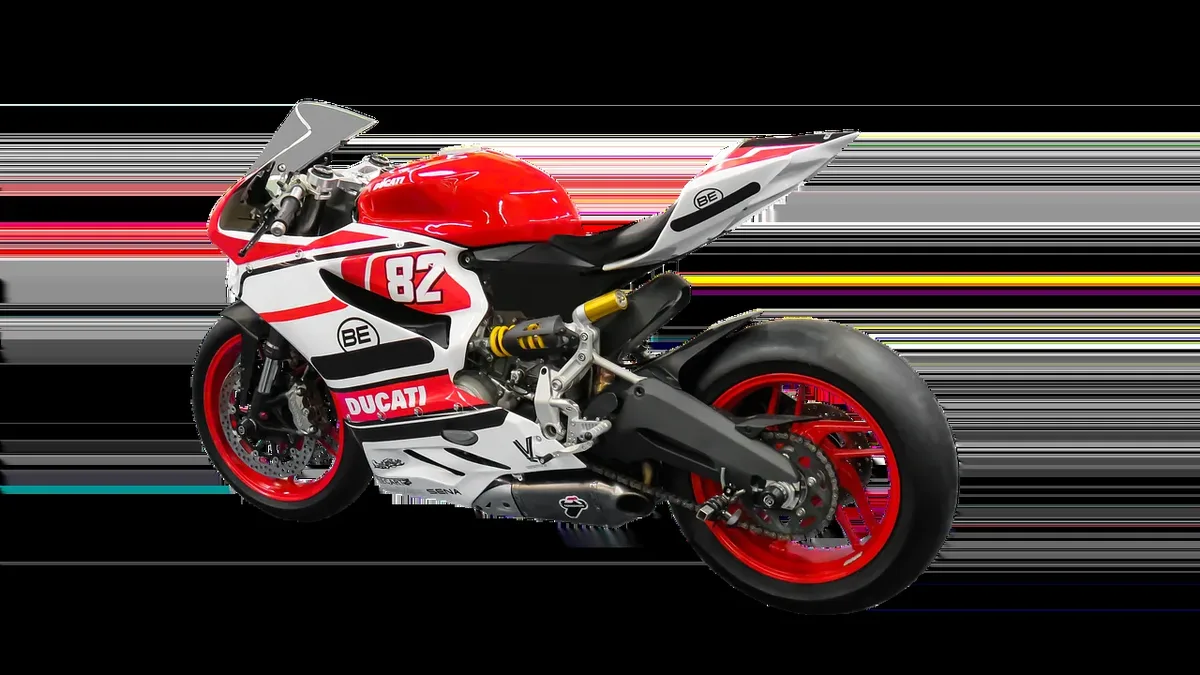
Ducati Hypermotard V2 First Ride Review
Ducati's new Hypermotard V2, with a 890cc engine producing 94Nm, was tested at Modena. Its electronics aim to boost control while preserving riding...
Triumph Legend Takes on 81-Mile Ride for Dementia UK
Norman Hyde, a former Triumph development engineer, is riding 81 miles without electronic navigation aid to raise awareness and money for Dementia UK.