Riding Two Up And Fully Loaded
| Original use | Long-distance touring with a passenger |
|---|---|
| Typical motorcycle type | Full-sized touring motorcycle |
| Key riding craft | Smooth throttle and brake control, increased following distance |
| Essential gear | Passenger footpegs, passenger seat with backrest, expanded luggage capacity |
| Safety consideration | Adjusted suspension and tire pressure for increased load |
| Common challenge | Managing increased weight and altered center of gravity |
Origin and history
The practice of Riding Two Up And Fully Loaded originates from the functional use of motorcycles for long-distance travel and transport, particularly in North America and Europe throughout the twentieth century. It evolved not as a formal discipline but as a practical necessity for individuals and couples using a single motorcycle as their primary vehicle for extended journeys. The concept gained formal recognition within touring communities and rider education programs in the late twentieth century as motorcycle designs and aftermarket luggage systems improved. This riding mode became a cornerstone of the dedicated touring motorcycle segment, influencing machine design and rider training curricula. Its history is intertwined with the development of paved highway systems and the post-war rise of recreational motorcycling culture. The specific terminology itself became standardized in rider training manuals and touring guides to describe this demanding operational state.
What it is designed for
This riding mode is designed for transporting a passenger and all necessary luggage and gear for a multi-day journey on a single motorcycle. It specifically addresses the combined challenges of added weight, altered vehicle dynamics, and increased logistical planning inherent in such travel. The practice accounts for the significant changes in a motorcycle's center of gravity, suspension behavior, braking distances, and overall stability when carrying a passenger and loaded luggage systems. It is engineered for maintaining safety and control over varied road conditions, including highways, mountain passes, and potentially inclement weather, while accommodating the comfort of both rider and passenger. The design parameters extend beyond the motorcycle itself to include specialized luggage, communication systems, and passenger amenities for multi-hour riding days. Ultimately, it is a comprehensive approach to transforming a motorcycle from a solo vehicle into a capable, long-distance transport solution for two people.
Development and versions
Development has been driven by advancements in motorcycle engineering, luggage technology, and rider education rather than discrete versions. Early implementations involved rudimentary strap-on bags and passenger accommodations on motorcycles not originally designed for such loads, leading to unstable and unsafe conditions. The late twentieth century saw the deliberate engineering of dedicated touring motorcycles with integrated luggage mounts, more powerful engines, sophisticated suspension systems, and passenger comfort features. Parallel development occurred in the aftermarket sector, with companies creating secure, aerodynamic luggage systems, improved passenger backrests, and enhanced communication devices. Rider training organizations developed specific curricula addressing weight distribution, low-speed handling, and passenger briefing protocols for this riding mode. The current state represents a convergence of purpose-built machines, optimized gear, and standardized best practices, though the specific equipment combinations vary widely among riders.
Pros and cons
The primary advantage is the unique combination of mobility, intimacy, and shared experience it offers a traveling pair, often described as more engaging than automobile travel. It allows access to remote areas and scenic routes while carrying substantial gear for camping or extended hotel stays. A significant con is the substantial increase in physical and mental workload for the rider, who must manage a heavier, less responsive machine with a passenger's safety dependent on their skill. Common mistakes include overloading the motorcycle, improper weight distribution high on the machine, and failing to adjust tire pressures and suspension preload for the combined weight. Many riders regret choosing this mode after underestimating the fatigue it induces or selecting a motorcycle with insufficient power or luggage capacity for their intended travels. The passenger's experience can quickly become negative if their comfort and need for frequent breaks are not prioritized, turning a journey into an ordeal.
Who it suits
This riding mode suits experienced riders who have mastered solo control of a motorcycle and are prepared for a significantly more demanding physical and mental task. It is ideal for couples where both parties are committed to the unique rhythms of motorcycle travel, with the passenger being an engaged participant rather than passive cargo. It suits those planning long-distance tours where the journey itself is the primary goal, and who value mechanical self-sufficiency and route flexibility. This mode is poorly suited for novice riders, individuals with pre-existing back or joint issues, or pairs with mismatched tolerance for discomfort and adversity. It requires a rider who is meticulous about motorcycle maintenance, pre-ride checks, and continuous situational awareness due to the reduced margin for error. Ultimately, it is a practice for those who accept its inherent compromises in exchange for a distinctive form of travel.
Latest Riding Two Up And Fully Loaded news
Latest reporting
Pedro Acosta's Riding Style Evolution Sets KTM Benchmark
Pedro Acosta's refined and smoother riding technique has made him KTM's sole front-runner in the 2026 MotoGP season, as teammates fail to copy his...
Sasindu Prashansana Triumphs at 92nd
Sasindu Prashansana, riding a Street Triple 1200 RS for the SP57 Racing Team, set the fastest two-wheel time at the 92nd Mahagasthota Hill Climb in...
Bagnaia's Aragon struggles continue
Ducati's Pecco Bagnaia says he has struggled with basic riding since Silverstone, finishing Friday at Aragon 13th while battling a lack of rear grip.
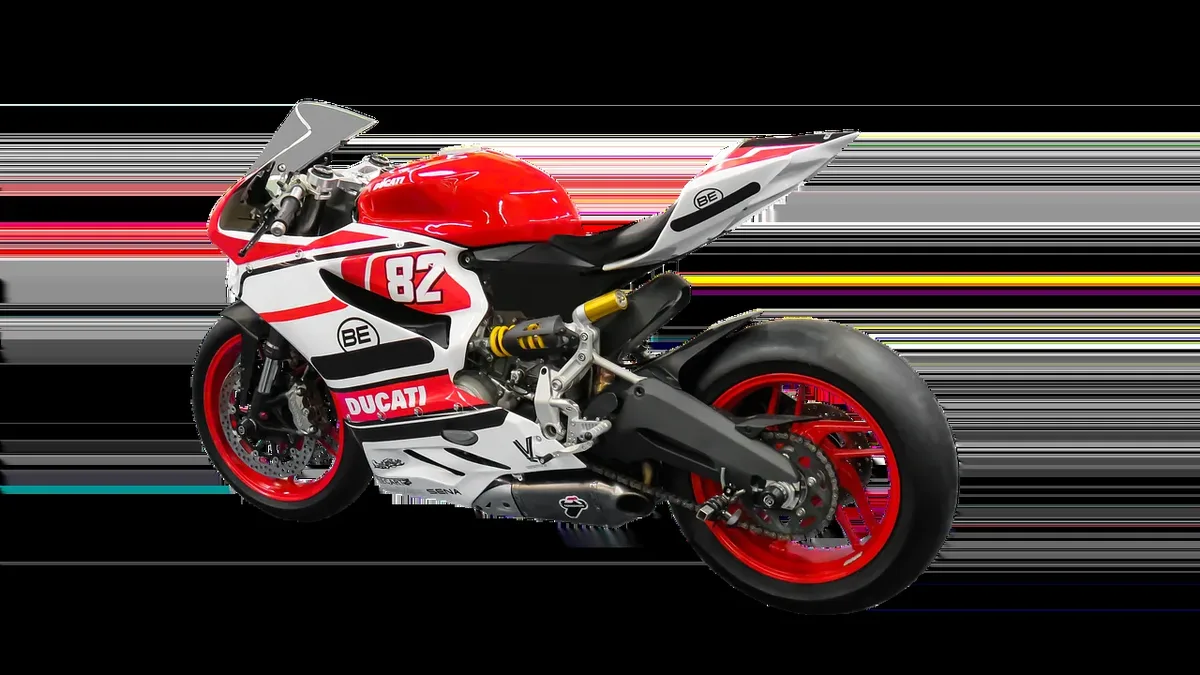
Ducati Hypermotard V2 First Ride Review
Ducati's new Hypermotard V2, with a 890cc engine producing 94Nm, was tested at Modena. Its electronics aim to boost control while preserving riding...
Triumph Legend Takes on 81-Mile Ride for Dementia UK
Norman Hyde, a former Triumph development engineer, is riding 81 miles without electronic navigation aid to raise awareness and money for Dementia UK.