Motogp
| Class of machine | Grand Prix prototype motorcycles |
|---|---|
| Engine type | Four-stroke, four-cylinder (predominant configuration) |
| Championship structure | Premier class of FIM Road Racing World Championship |
| Typical displacement | 1000cc |
| Original use | Road-racing championship competition |
| First created | 1949 |
| Country of origin | International (sanctioned by FIM) |
Origin and history
MotoGP originates from the Fédération Internationale de Motocyclisme (FIM) Road Racing World Championship Grand Prix, established in the mid-20th century. The championship's foundation can be traced to the late 1940s, with the inaugural season for the premier class held in 1949. It was created as a formal global competition to crown a world champion in motorcycle road racing, consolidating various national and continental events. The series evolved from a 500cc two-stroke engine formula, which dominated for decades, into its modern four-stroke iteration. The name "MotoGP" itself was formally adopted in the early 2000s to coincide with a fundamental shift in the technical regulations. This change marked the transition from the 500cc two-stroke era to the 990cc four-stroke MotoGP class, redefining the pinnacle of the sport.
What it is designed for
MotoGP is designed as the premier prototype motorcycle racing championship, where machines are built solely for competition and are not available for public purchase. The series serves as the ultimate technological proving ground for motorcycle manufacturers, pushing the boundaries of engine performance, chassis dynamics, aerodynamics, and electronic control systems. It is engineered to test the absolute limits of rider skill, physical endurance, and mental fortitude over a global calendar of circuits. The racing format, featuring free practice, qualifying sessions, and a full-length grand prix, is structured to evaluate both single-lap speed and race-long consistency and strategy. Furthermore, the championship is designed to produce a clear world champion through a points system accumulated across a season spanning multiple continents. Its purpose extends beyond crowning a rider champion, as it also awards a Constructors' World Championship and a Teams' World Championship, emphasizing the technical and collaborative aspects of the sport.
Development and versions
The development of MotoGP has been defined by major regulatory shifts aimed at balancing performance, safety, and cost. The original "Grand Prix" format featured several engine displacement classes, with the 500cc class long considered the premier category dominated by two-stroke machinery. A pivotal development occurred in the early 2000s with the introduction of the MotoGP class, replacing the 500cc class with 990cc four-stroke prototypes, which dramatically increased power and sophistication. Engine capacity regulations have subsequently been adjusted, moving to 800cc in the late 2000s and then to the current 1000cc formula in the 2010s, each change altering the character of the racing. Parallel to the premier class, the supporting Moto2 and Moto3 world championship classes were introduced, providing a standardized chassis and engine formula in each to focus on rider development. Recent versions of the sport have seen the introduction of sophisticated aerodynamics, ride-height devices, and ever-more complex electronic management systems, continually evolving the technical challenge.
Pros and cons
The series provides a direct and intense marketing platform for manufacturers, with success on Sunday demonstrably influencing brand perception and technology trickle-down. For riders, it represents the sole path to the title of undisputed world champion, carrying immense prestige and career-defining status. A significant con is the extreme financial cost of participation, which limits competitive entries to only the largest manufacturers or heavily backed independent teams, potentially stifling diversity. The physical and mental demands on riders are severe, with a high risk of serious injury due to the incredible speeds and minimal rider protection, leading to shortened careers for many. A common mistake, particularly for new teams or riders, is underestimating the depth of technical expertise required to develop a prototype machine, often resulting in uncompetitive performance and regret over the massive investment needed for marginal gains.
Who it suits
MotoGP suits the world's most elite motorcycle road racers, who possess not only exceptional riding talent but also the physical resilience to withstand extreme G-forces and the psychological strength to manage constant risk. It is designed for the major global motorcycle manufacturers, such as Ducati, Honda, Yamaha, and KTM, who have the financial resources and engineering depth to sustain a multi-year development program for prototype machinery. It is ideal for team principals and sponsors seeking the highest global visibility within two-wheeled sport, where association with success delivers significant commercial return. Conversely, it does not suit privateer efforts without factory backing, nor riders who have not honed their craft in the highly competitive feeder series of Moto2 and Moto3. Furthermore, it is unsuited to those seeking close, spec-series racing, as the technological arms race between factories can sometimes lead to periods of dominance by a single constructor.
Latest Motogp news
Latest reporting
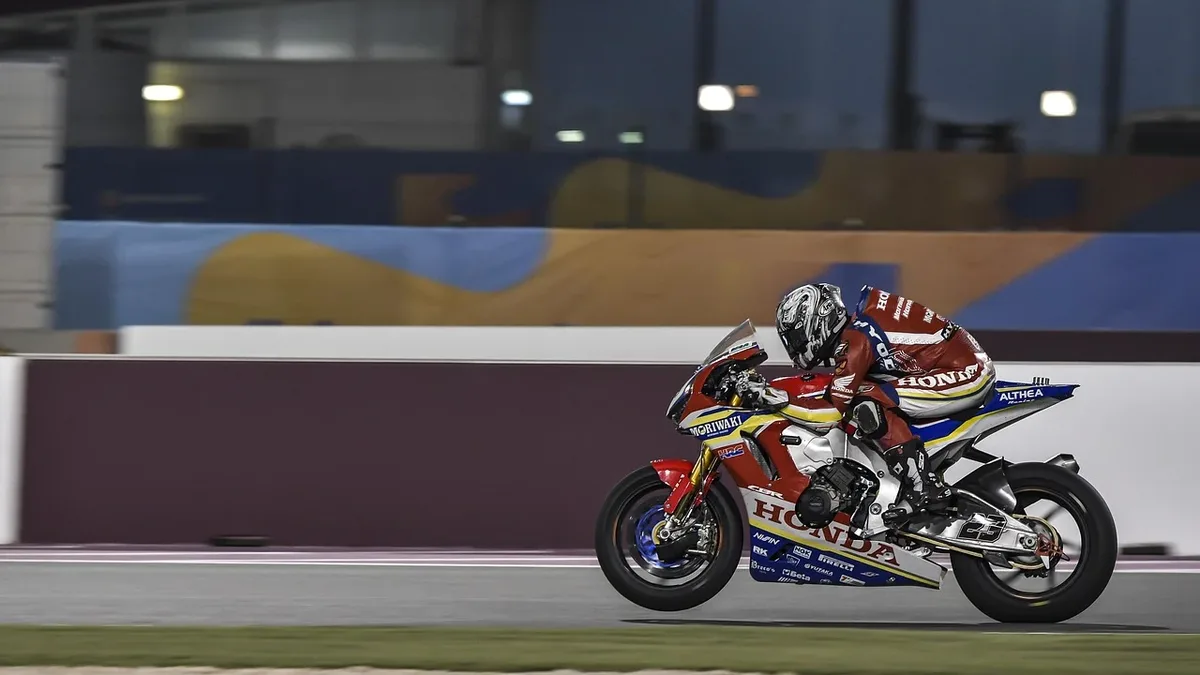
Honda confirms Red Bull's return as factory MotoGP sponsor
Honda has confirmed Red Bull will return as a sponsor of its factory MotoGP team from the 2027 season. The multi-year deal will see Fabio Quartararo...
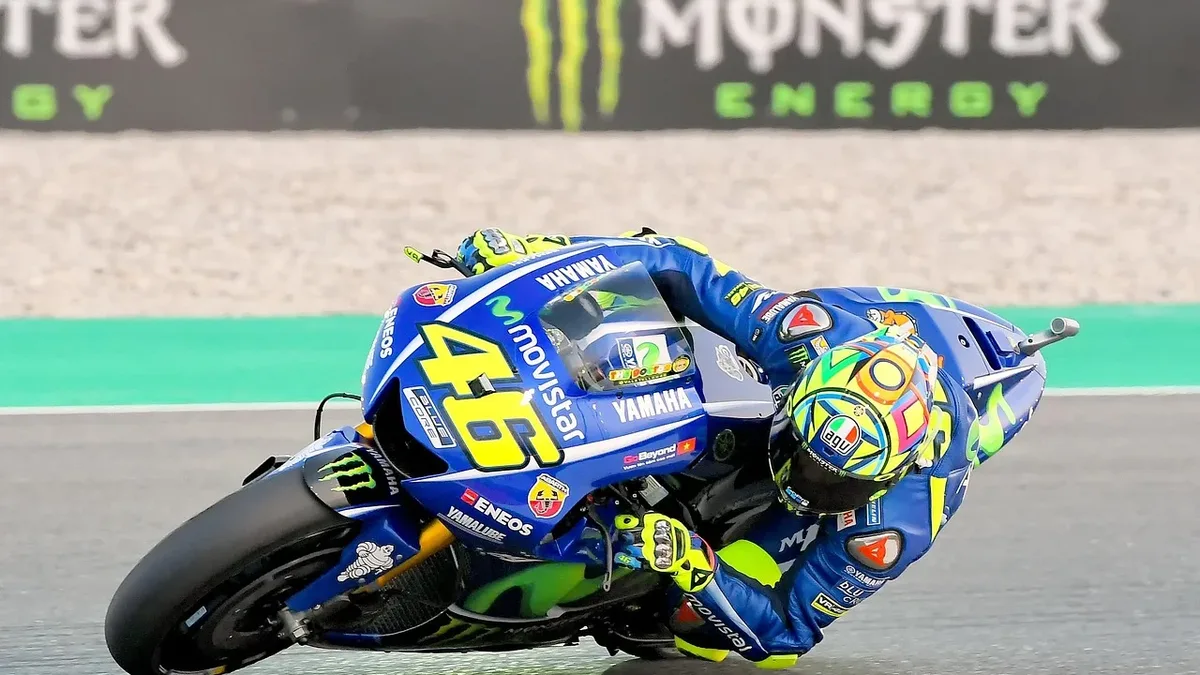
VR46 Downplays Bulega's Pirelli Tyre Edge for 2027 MotoGP
VR46 team boss Uccio Salucci has dismissed the notion that new signing Nicolo Bulega holds a decisive advantage for the 2027 MotoGP season due to his
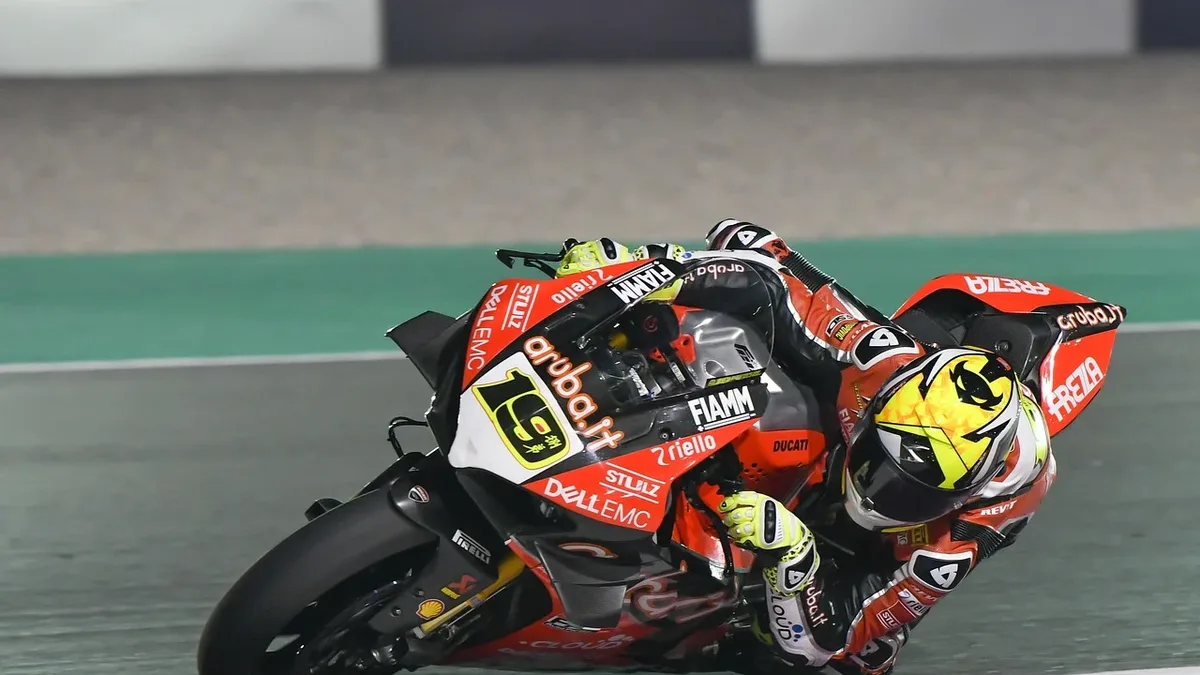
KTM CEO Opposes MotoGP Single-Bike Rule, Backs Cost Cap
KTM CEO Gottfried Neumeister has rejected the proposed single-bike rule for MotoGP, arguing it would damage the sport's spectacle.
Pedro Acosta's Riding Style Evolution Sets KTM Benchmark
Pedro Acosta's refined and smoother riding technique has made him KTM's sole front-runner in the 2026 MotoGP season, as teammates fail to copy his...
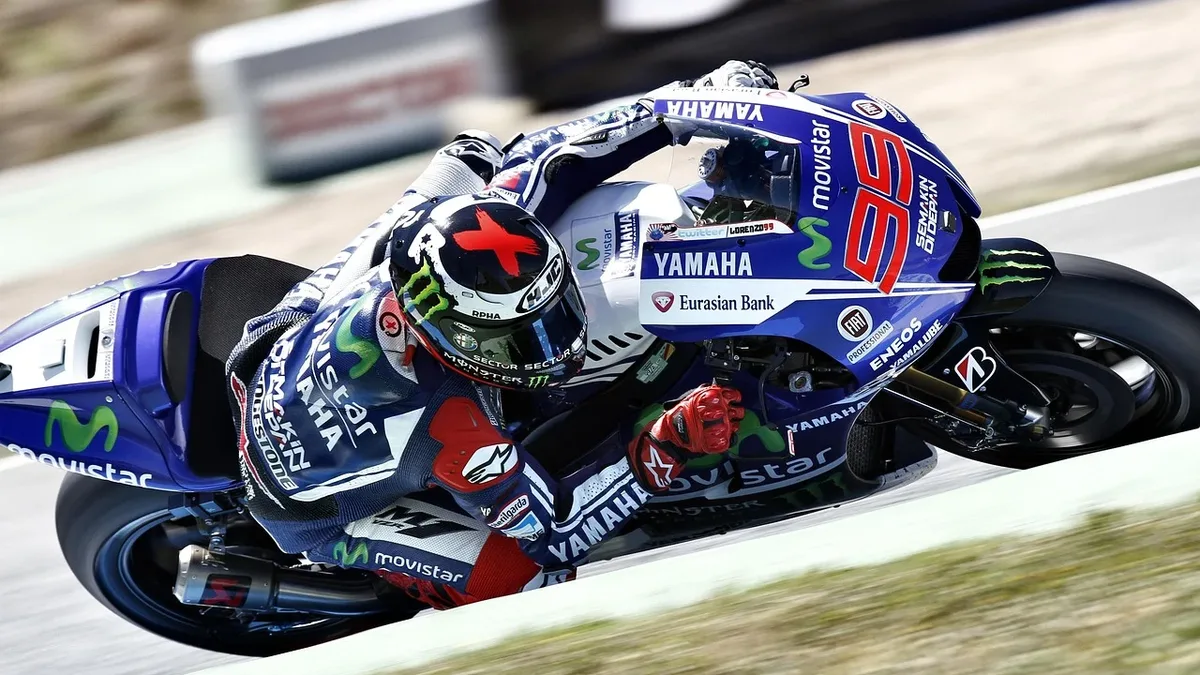
Maverick Vinales Returns from Injury at Japanese Grand Prix
Maverick Vinales will make his MotoGP comeback at the Japanese Grand Prix this weekend after a six-month layoff due to a shoulder injury.
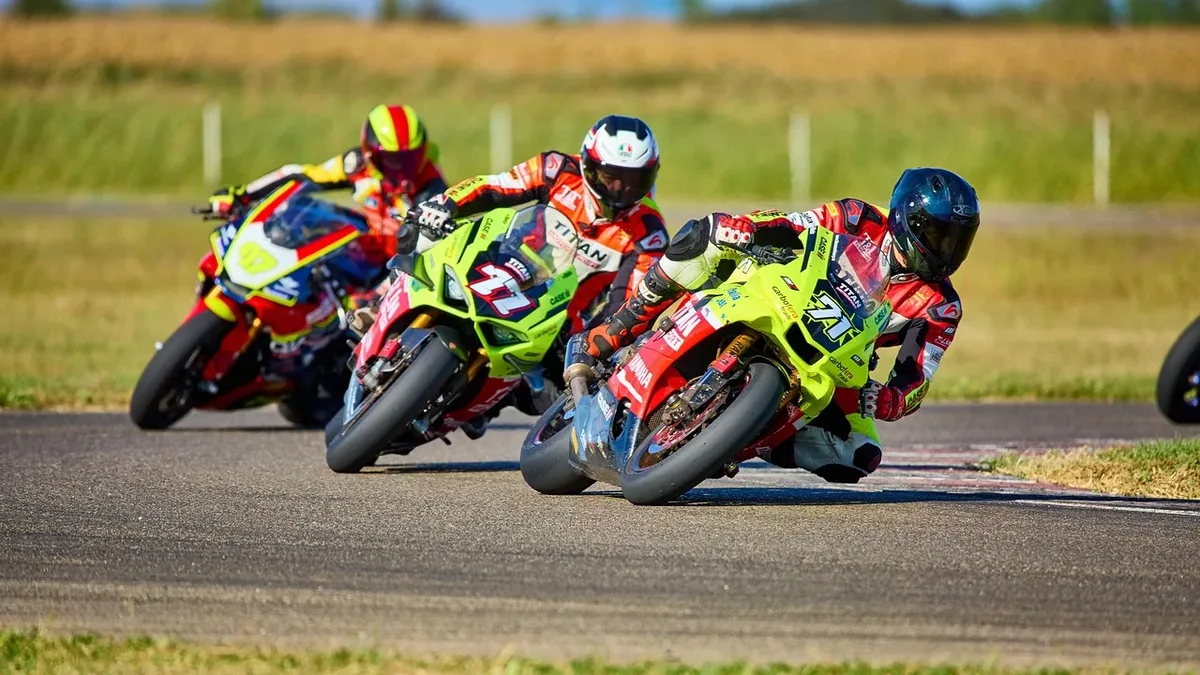
Martin Holds Three-Point Lead Heading to Motegi After Sprint
Jorge Martin leads the MotoGP championship by three points after a chaotic Austrian sprint race, where he recovered from an early clash to win.