Supersport
Origin and history
The Supersport category of motorcycles originates from Japan in the late 1970s and early 1980s. This era saw manufacturers translating pure racing technology into road-legal machines for the public. The term itself is often linked to production-based racing classes that required bikes to be closely related to models available in showrooms. These racing categories, particularly the FIM Supersport World Championship formalized in the 1990s, cemented the name for a specific type of street motorcycle. European manufacturers later became central to the category, with Italy notably contributing iconic models. The development was a direct response to the demand for high-performance machines that were more usable than outright race replicas.
What it is designed for
A Supersport motorcycle is designed for aggressive street riding and spirited performance on twisty roads. The design philosophy prioritizes precise handling, strong braking, and high-revving power delivery over maximum top speed or long-distance comfort. Its ergonomics place the rider in a committed, forward-leaning position to optimize control and weight distribution during cornering. The engineering focus is on delivering a tactile, engaging connection between the rider, the machine, and the road surface. These bikes are intended to be competent on track days without requiring significant modification, bridging the gap between road and circuit. The category specifically targets experienced riders seeking a focused and dynamic riding experience.
Development and versions
Development has consistently involved refining the balance between outright performance and real-world usability. Early versions in the 1990s were often closely derived from 750cc four-cylinder engines, a displacement favored by racing regulations. Over time, engine displacements have commonly settled around 600cc for the middleweight class and 750cc to 1000cc for larger models, with cylinder configurations including inline-fours and V-twins. Major iterations typically focus on electronic rider aids, weight reduction, and improved chassis geometry. Manufacturers frequently release base models alongside higher-spec "R" or "RR" versions with upgraded suspension, brakes, and electronics. The evolution is marked by the gradual incorporation of technologies like ride-by-wire, multiple riding modes, and sophisticated traction control systems previously reserved for top-tier superbikes.
Supersport price
Pricing for new Supersport motorcycles positions them as premium offerings within the sportbike segment. They are generally more expensive than entry-level or naked sport bikes due to their higher-specification components and focused engineering. The cost reflects the advanced materials used in frames, swingarms, and wheels, as well as high-performance suspension and braking systems. There is typically a clear price stratification between standard models and those with top-tier electronic packages and track-oriented components. The category faces pricing pressure from both more affordable alternatives and higher-performance superbikes, defining a specific value proposition. Used market values vary significantly based on model year, specification level, and condition, with well-maintained examples of desirable models holding value.
Supersport specs
Typical specifications include a high-revving four-cylinder engine with a displacement often between 600cc and 1000cc, producing power in a focused, top-end-biased manner. Chassis geometry features a short wheelbase, steep rake angle, and aggressive steering geometry to promote quick turn-in and agile handling. Suspension components are fully adjustable upside-down front forks and a rear monoshock, allowing fine-tuning for rider weight and riding style. Braking systems use large-diameter dual front discs with radial-mount multi-piston calipers for consistent, high-performance stopping power. Electronic specifications increasingly include multiple power modes, cornering-sensitive traction control, wheelie control, quick shifters, and selectable engine braking.
Overview
The Supersport represents a specific and enduring philosophy in motorcycle design, prioritizing rider engagement and dynamic ability above all else. It is a tool for exploiting winding asphalt, where its precise chassis and communicative feedback allow an experienced rider to explore high cornering speeds. The riding experience is characterized by an intense, physical connection, requiring active rider input and concentration. While capable of high straight-line speed, its identity is defined more by how it changes direction and manages momentum than by sheer horsepower figures. Ownership involves an acceptance of its compromises in comfort and practicality for the sake of its focused performance. It exists as a deliberate choice for riders who view the motorcycle primarily as a performance instrument rather than transportation.
What to know
Prospective owners should know that the riding position is physically demanding, creating pressure on the wrists, back, and knees, especially during low-speed maneuvering or urban riding. The engine character is often peaky, with less low-end and mid-range torque than other categories, requiring deliberate use of the gearbox to maintain momentum. Tire wear can be rapid due to the soft compounds used for maximum grip, and replacement costs are a regular consideration. Insurance premiums are typically high for this category due to their performance potential and associated risk profiles. While technologically advanced, the simplicity of their mechanical focus compared to more complex touring bikes can make certain maintenance tasks more accessible for enthusiasts. The resale market is strong for clean, low-mileage examples of popular models, but can be weak for bikes with track use or damage.
Common questions
A common question is how a Supersport differs from a full Superbike or race replica, with the answer focusing on the Supersport's slightly more relaxed ergonomics and engine tuning for street usability. Riders often ask about the feasibility of long-distance touring, which is possible with significant aftermarket modifications like raised handlebars and seat cushioning, but remains far from ideal. Many inquire about the necessity of track days to enjoy the bike, which is not required, but the bike's capabilities can feel constrained and underutilized solely on public roads. Questions about reliability are frequent, and while modern examples are generally robust, high-strung engines require strict adherence to maintenance schedules using recommended fluids and parts. New riders consistently ask if a Supersport is a suitable first bike, which it is not due to its powerful, sensitive controls and demanding nature. Enthusiasts also debate the relevance of the 600cc class versus larger displacement models, a discussion centering on weight, power delivery, and riding style preference.
Pros and cons
The high-quality, adjustable suspension and brakes provide a benchmark for handling and stopping performance that few other street categories can match. A major con is the severe discomfort on longer rides or in traffic, with ergonomics that can become painful and distracting rather than engaging. The peaky power delivery can be frustrating in real-world riding, requiring constant gear changes where other bikes would simply roll on the throttle. Common regret stems from riders underestimating the physical demands and overestimating their willingness to tolerate discomfort for performance, leading to quick resale. The frequent mistake is purchasing one for its image or perceived status without having the riding skill, roads, or tolerance to exploit its intended purpose, resulting in an expensive and unpleasant garage ornament.
Who it suits
This motorcycle suits an experienced rider with advanced cornering skills who actively seeks out challenging, twisty roads as a primary riding activity. It is ideal for the rider who values handling precision, mechanical feedback, and rider involvement over comfort, convenience, or straight-line speed. The buyer should have a realistic understanding of its physical demands and possess the flexibility and core strength to manage the riding position for extended periods. It is a strong match for riders who participate in occasional track days but require a single, road-legal machine that can perform competibly in both environments. It does not suit new riders, those with chronic back or wrist issues, riders who primarily commute or tour, or anyone prioritizing practicality or low running costs. Ultimately, it is a specialist tool for a dedicated enthusiast, not a general-purpose motorcycle.
Latest Supersport news
Latest reporting
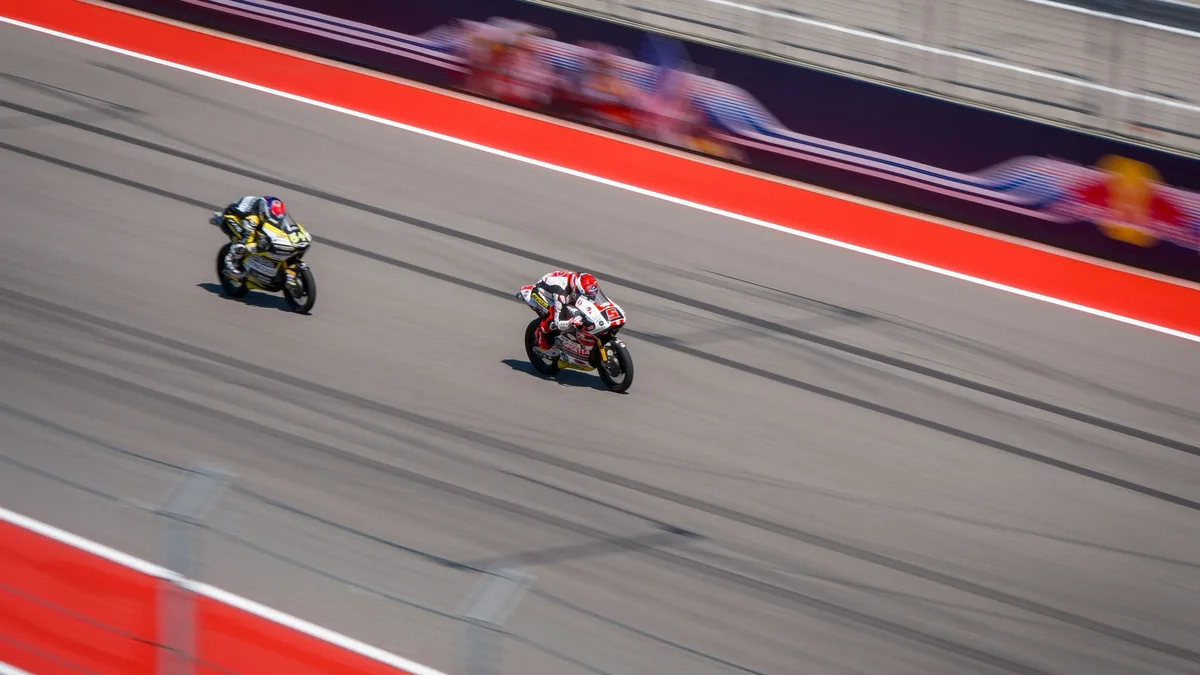
MotoAmerica Supersport and Baggers Races Deliver Dramatic
Josh Hayes secured his 91st career Supersport win and Troy Herfoss won a razor-thin Baggers race as MotoAmerica's feature classes battled chaotic, wet
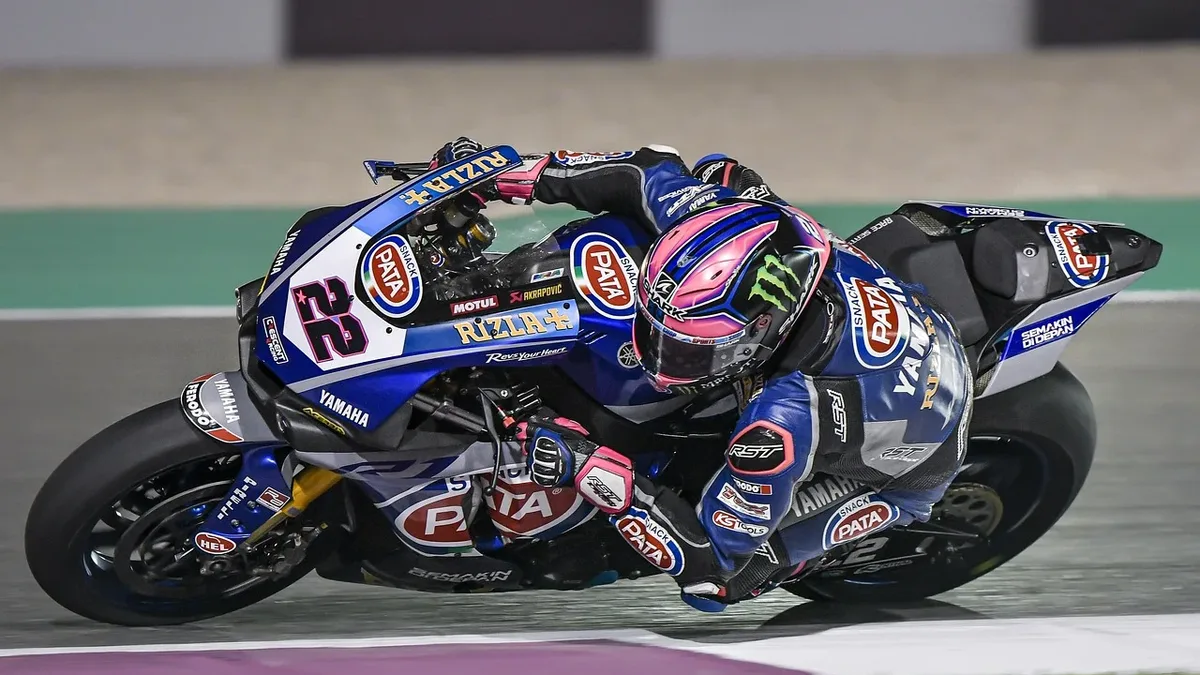
Tyler Scott Steps Up to Superbike, Bodie Paige to Supersport
Team Hammer substitutes injured Richie Escalante with Supersport star Tyler Scott on its Superbike for the MotoAmerica round at COTA.
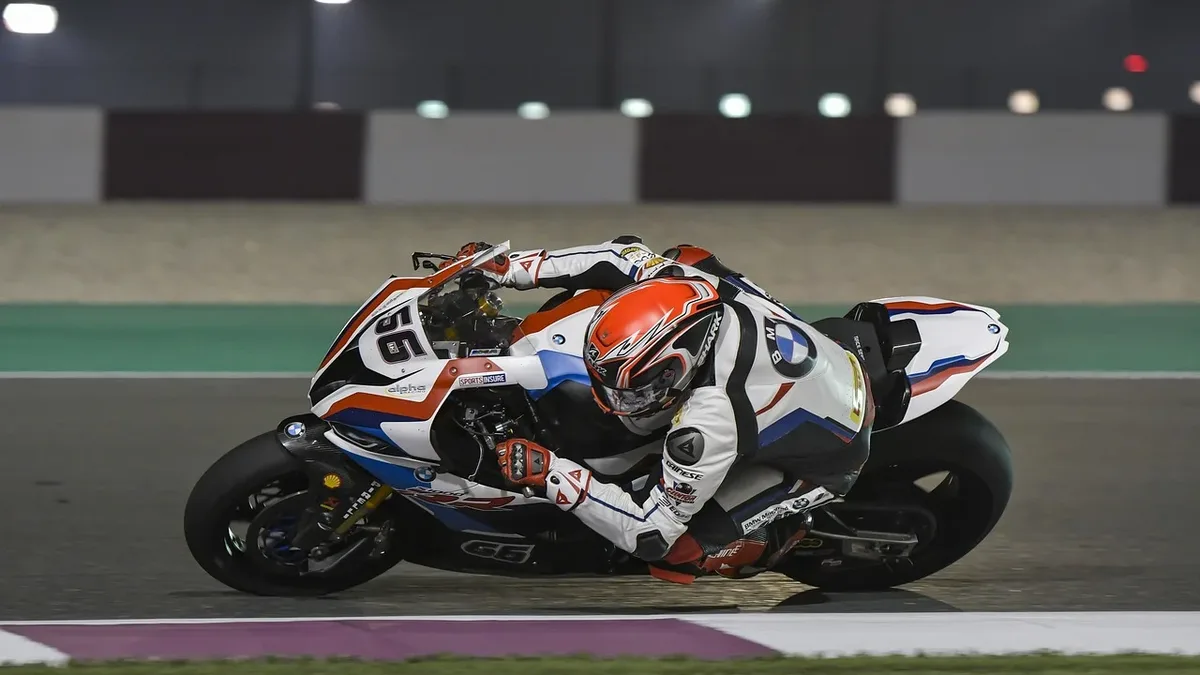
Tom Weeden Dominates 2026 Oliver's Mount Championships
Tom Weeden from Maidstone has been crowned the overall King of The Mount for 2026, also securing titles in Pro Supersport and Classic Superbike...
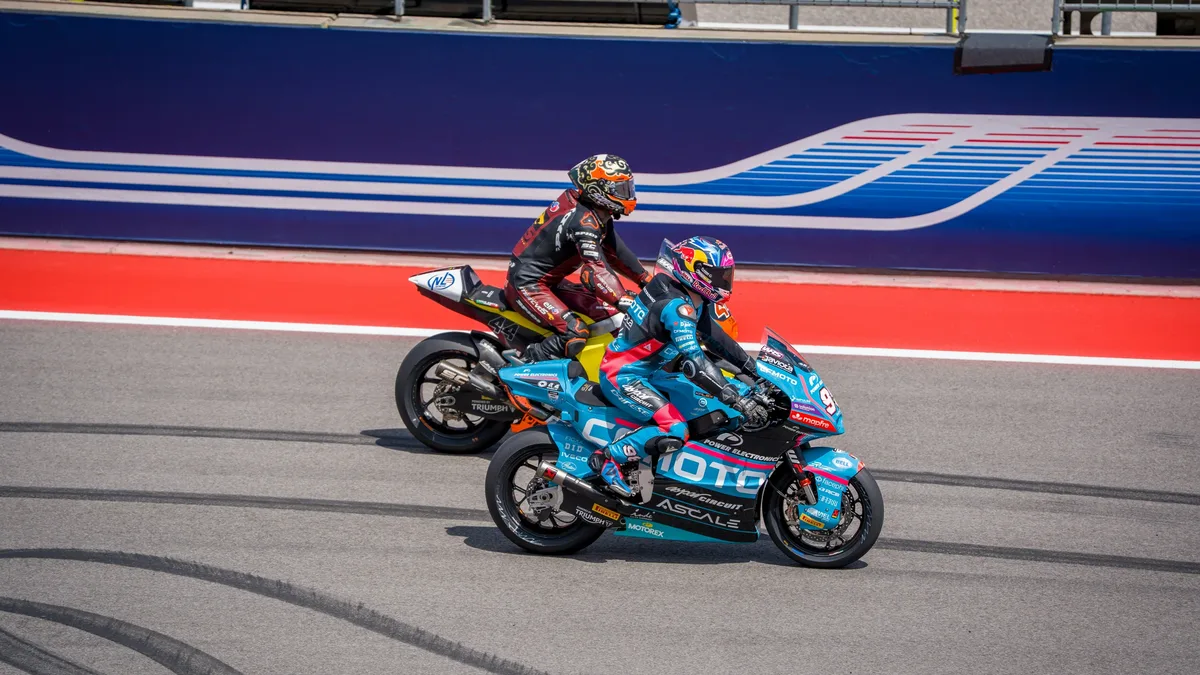
Harrison and Hickman Dominate Gold Cup Supersport Races
Dean Harrison and Peter Hickman took top honours in the Supersport A class on day three of the 80th Anniversary Gold Cup meeting in North Yorkshire.
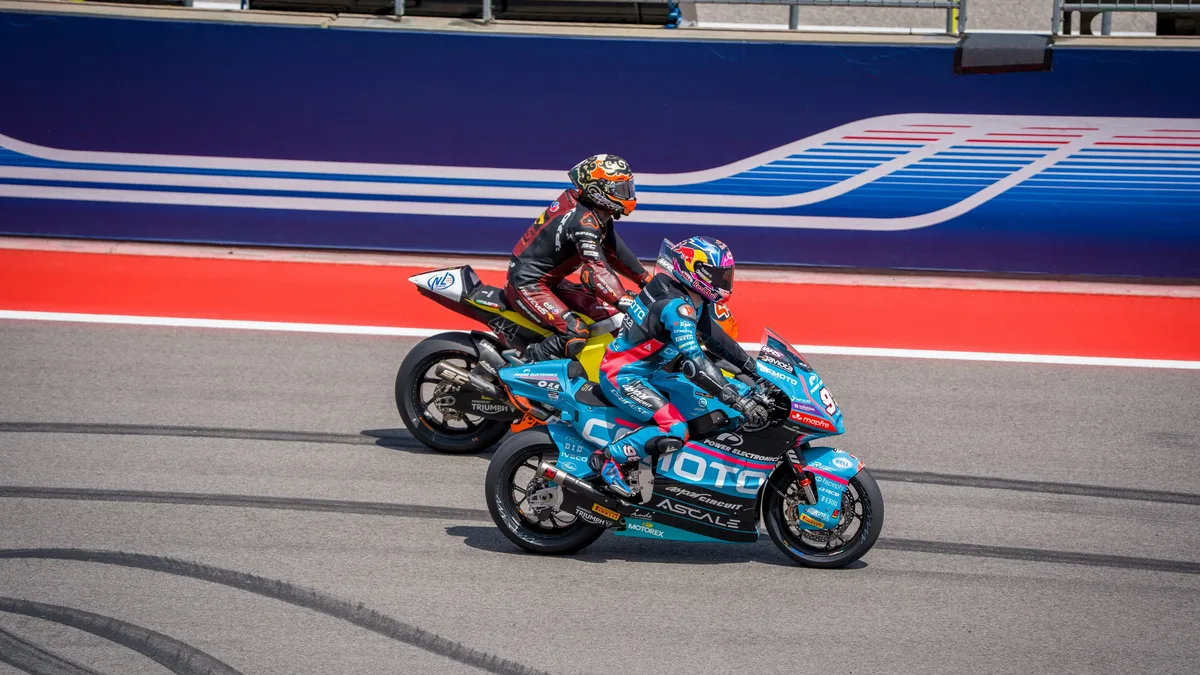
Harrison, Hickman Dominate Gold Cup Supersport Races
Dean Harrison and Peter Hickman secured double victories in the Supersport classes, while Tom Weeden, Stephen Gorton, and Kieran Clarke/Rob Coppock...
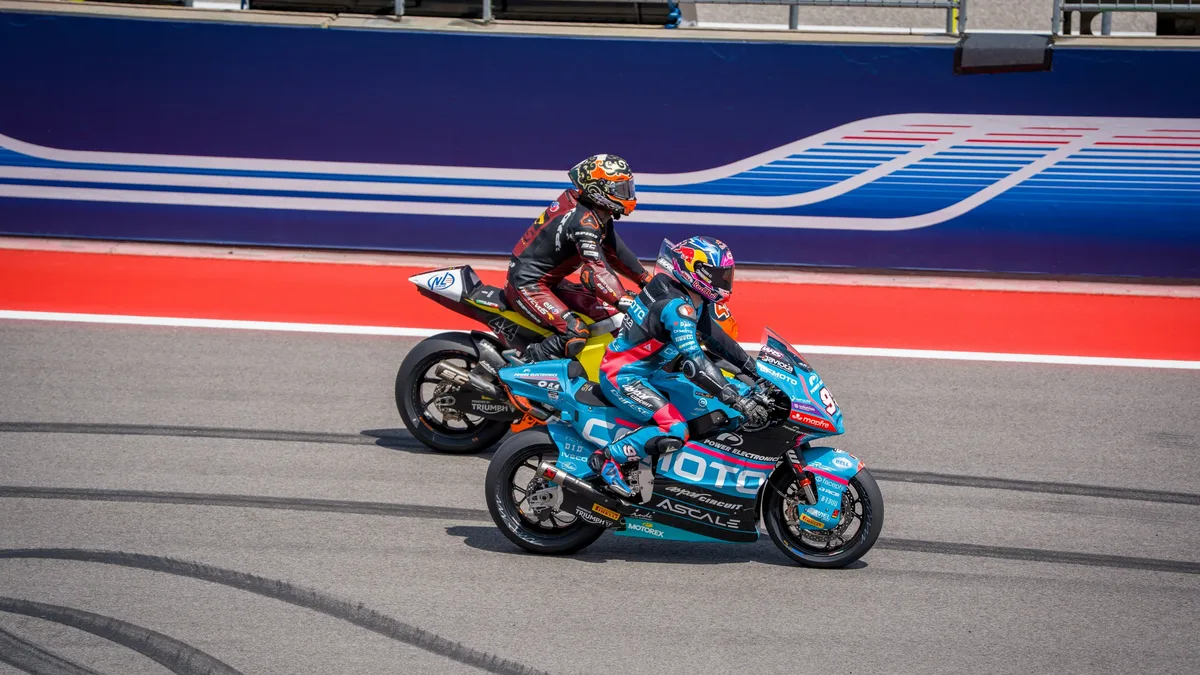
Harrison, Hutchinson Lead Road Racers at BSB
At Cadwell Park's BSB round, Dean Harrison took two fourths in Supersport, with Ian Hutchinson and Richard Cooper also securing top-six finishes.