
Electric
| Model name | Electric |
|---|---|
| Country of origin | United States |
| First created | 2010s |
| Original use | Urban commuting and cargo transport |
| Frame material | Aluminum alloy |
| Motor type | Hub-drive or mid-drive electric motor |
| Battery type | Lithium-ion |
| Drive system | Pedal-assist and/or throttle |
Origin and history
The modern electric bicycle, as a commercially viable consumer product, originated in Japan during the late 20th century. Early prototypes and patents for battery-assisted bicycles existed in various forms throughout the 1900s, but significant development began in the 1980s. Japanese companies were pioneers in integrating compact motors and battery systems into conventional bicycle frames for urban commuting. This development coincided with advancements in nickel-cadmium and later lead-acid battery technology, which provided the necessary power storage. The concept gained broader traction in the 1990s, particularly in European markets like the Netherlands and Germany, where cycling culture was strong. These early models established the fundamental design principles of pedal-assist systems that define the category today.
What it is designed for
The electric bicycle is primarily designed to augment human pedaling power, making cycling accessible over longer distances and varied terrain. Its core purpose is to reduce the physical exertion required for commuting, thereby replacing car trips for urban and suburban travel. It is engineered to assist riders in overcoming challenging topography, such as steep hills or strong headwinds, without arriving at a destination fatigued or sweaty. The design also targets utility cycling, enabling the practical carrying of heavier cargo or children via integrated racks and robust frames. Furthermore, it serves as a mobility aid for individuals with reduced physical fitness, age-related limitations, or certain health conditions, extending their cycling capability. Finally, it is designed to offer a faster alternative to traditional bicycles while remaining within regulated speed limits for bicycle infrastructure.
Development and versions
Development has been driven by advances in battery chemistry, motor efficiency, and electronic control systems. Early versions used heavy lead-acid batteries and often rudimentary, non-integrated hub motors, resulting in cumbersome and unreliable bicycles. The shift to lithium-ion batteries in the 2000s was a transformative step, drastically reducing weight and increasing range while improving charge cycles. Motor technology evolved from basic, gearless direct-drive hub motors to lighter, more efficient geared hub motors and mid-drive systems that leverage the bicycle's existing gears. Modern versions now include sophisticated torque sensors that provide natural-feeling pedal assistance proportional to the rider's input. The category has also diversified into distinct versions including compact urban commuters, high-performance mountain bikes (eMTBs), long-tail cargo bikes, and folding models, each with specialized geometry and componentry.
Electric price
Pricing for electric bicycles spans a very wide range, directly correlating with component quality, motor power, battery capacity, and brand. Entry-level models with basic components and smaller batteries can be found from several hundred to around one thousand currency units. Mainstream commuter and hybrid electric bicycles with reputable brand motors and adequate batteries typically range from one to three thousand currency units. High-performance electric mountain bikes or premium urban models with advanced features, larger batteries, and sophisticated displays often cost between three and six thousand currency units. Specialty electric bicycles, such as full-suspension eMTBs or heavy-duty cargo bikes, can command prices upwards of six thousand currency units. It is critical to note that the purchase price is only part of the cost of ownership, as batteries degrade and require eventual replacement.
Electric specs
Key specifications for an electric bicycle include motor type, motor nominal power, battery voltage and capacity, and the assistance system. Motors are categorized primarily as hub-drive (front or rear) or mid-drive, with mid-drive units generally offering better weight distribution and hill-climbing efficiency. Nominal power output for street-legal models in many regions is legally capped at 250 watts, though some markets allow 500 watts or more, with peak power often being higher. Battery capacity is measured in watt-hours (Wh), with common ranges from about 300Wh for short-range models to over 700Wh for long-distance touring or mountain biking. The assistance system is defined by its sensor type, typically cadence or torque, and the number of support levels offered, which control the motor's output.
Overview
An electric bicycle is a bicycle equipped with an electric motor that provides assistance only when the rider is pedaling, except in specific regions where a throttle-only mode is permitted. The system comprises a motor, a rechargeable battery pack, a controller, a sensor to detect pedaling, and an interface for the rider to select assistance levels. It remains fundamentally a bicycle, requiring pedaling to operate in most jurisdictions, and is subject to specific regulations that differ from those for mopeds or motorcycles. The integration of these components has become increasingly seamless, with batteries often housed inside the frame tubing and motors designed to blend with the crank or hub. Despite the added complexity, a quality electric bicycle retains the essential handling characteristics and maintenance needs of a standard bicycle for its brakes, gears, and tires. The overarching goal of the technology is to flatten hills, shorten distances, and make cycling a more viable primary mode of transport for a larger segment of the population.
What to know
Potential owners must understand that range is highly variable and depends on rider weight, terrain, wind, assistance level used, and temperature. The battery is a consumable component with a finite lifespan, typically rated for 500 to 1000 full charge cycles before its capacity diminishes noticeably. Electric bicycles are significantly heavier than analog bicycles, which affects handling, transportation, and security, as a robust lock and anchor point are essential. Different countries and regions have strict legal classifications governing motor power, maximum assisted speed, and where they can be ridden, which must be researched before purchase. Maintenance requires a mechanic familiar with electrical systems, and proprietary components from specific motor manufacturers can limit repair options. Insurance, while not always legally mandatory, is highly recommended due to the higher value and theft appeal of electric bicycles compared to standard models.
Common questions
A frequent question is whether an electric bicycle can be ridden in the rain, to which the answer is yes, as quality models are built to an IP rating for water resistance, though submersion should be avoided. Many ask if they can pedal an electric bicycle without any assistance, which is possible but made more difficult by the system's added weight and drag from an unpowered motor. People commonly inquire about charging logistics, and the battery is almost always removable for charging indoors, with a full charge typically taking three to six hours. Another common question concerns theft, and it is advised to always remove the battery and display unit when locking the bicycle in public, as these are the most targeted components. Riders often wonder about physical fitness benefits, and studies confirm they provide moderate aerobic exercise, especially if the rider uses lower assistance levels, though less intense than riding a standard bicycle. Finally, there is confusion about regulations, and it is crucial to know that in most areas, electric bicycles that provide assistance without pedaling or above a certain speed are classified as motor vehicles.
Pros and cons
A primary advantage is the democratization of cycling, enabling people to commute, run errands, or recreate in hilly areas who otherwise would not. The electric assist reliably reduces journey time and sweat compared to a standard bicycle, increasing its utility for daily transportation. A significant drawback is the high initial cost and the substantial expense of battery replacement, which can be a quarter to a third of the bicycle's original price. Owners often regret their purchase if they underestimate the weight, finding it cumbersome to carry up stairs or load onto a vehicle rack, or if they rely on public charging without a removable battery. The common mistake is buying a bicycle with insufficient range for actual needs, leading to range anxiety, or opting for a cheap model with poor reliability and non-standard parts that are impossible to repair. Another con is the increased complexity and need for specialized service, which can lead to longer downtime and higher maintenance costs compared to a simpler bicycle.
Who it suits
The electric bicycle suits urban and suburban commuters seeking a faster, more consistent alternative to driving or public transit for distances of five to twenty kilometers. It is ideal for older riders or those with joint issues or reduced cardio capacity who wish to continue cycling or extend their range without excessive strain. Cargo electric bicycles are exceptionally well-suited for families replacing a second car for local trips, school runs, and grocery shopping due to their substantial carrying capacity. Recreational riders who live in hilly regions or want to keep up with faster friends on group rides will find an electric bicycle levels the playing field. It also suits delivery couriers and tradespeople for whom the electric assist translates directly into increased load capacity and reduced fatigue over a workday. However, it is less suited for pure fitness seekers, weight-weenie cyclists, those with very short commutes, or individuals without secure, ground-floor storage for charging and parking.
Latest Electric news
Latest reporting
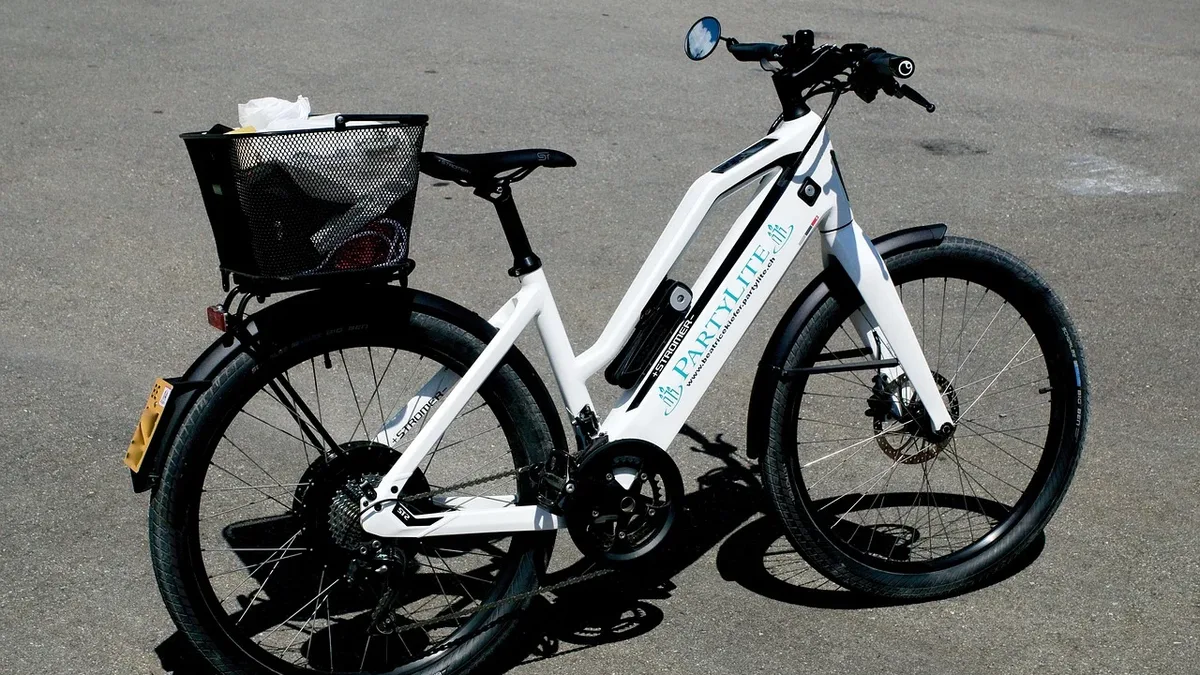
Any Mobility LUV1 electric cargo bike
The Any Mobility LUV1 is an electric two-wheeler designed for last-mile delivery, featuring a 120-litre cargo bay, a 60mph top speed, and up to 80...
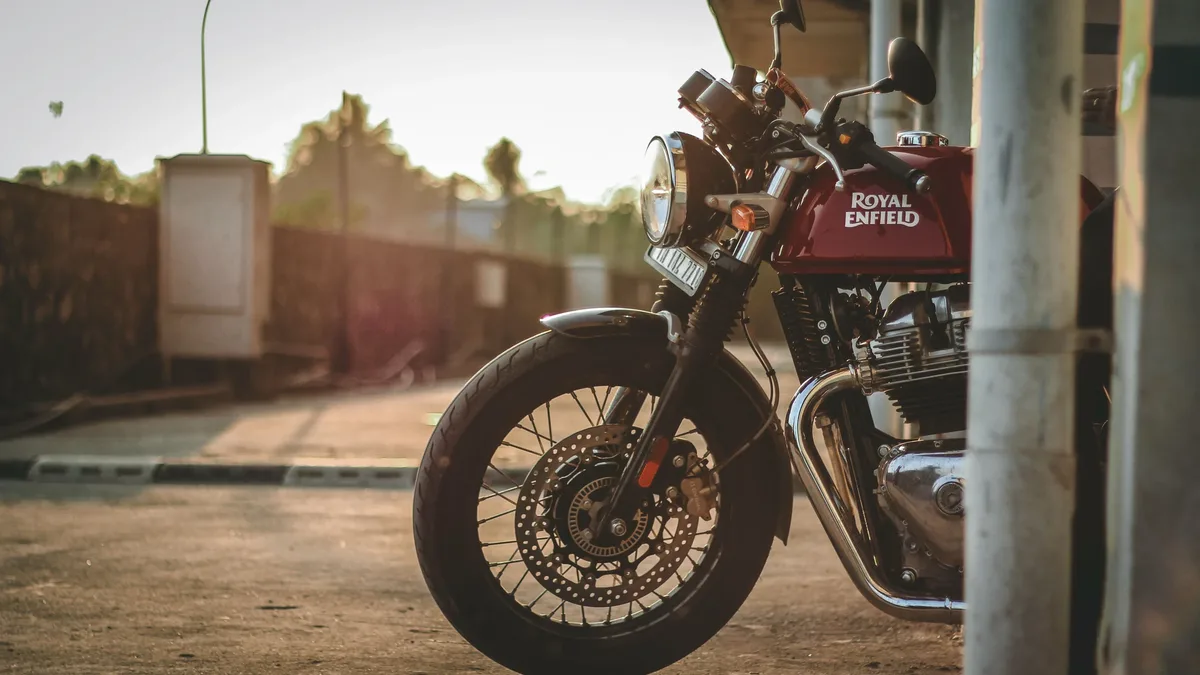
Royal Enfield Launches Electric Flying Flea C6 in Europe
Royal Enfield has launched its first electric motorcycle, the Flying Flea C6, in five European cities including London.

Met Police expands Sur-Ron fleet to 25 bikes
London's Metropolitan Police has increased its fleet of Sur-Ron electric motorcycles from five to 25. The force says the lightweight bikes help...

Honda Australia’s New WN7 Subscription Could Point to the Future of Motorcycle Ownership
Honda Australia has introduced a subscription service for its WN7 electric motorcycle, which could change the way people own and access motorcycles.