BMW Invests in Venna Electric Motorcycle Startup
BMW Motorrad has invested in Venna, an electric motorcycle startup with a Californian surf-and-motocross identity.
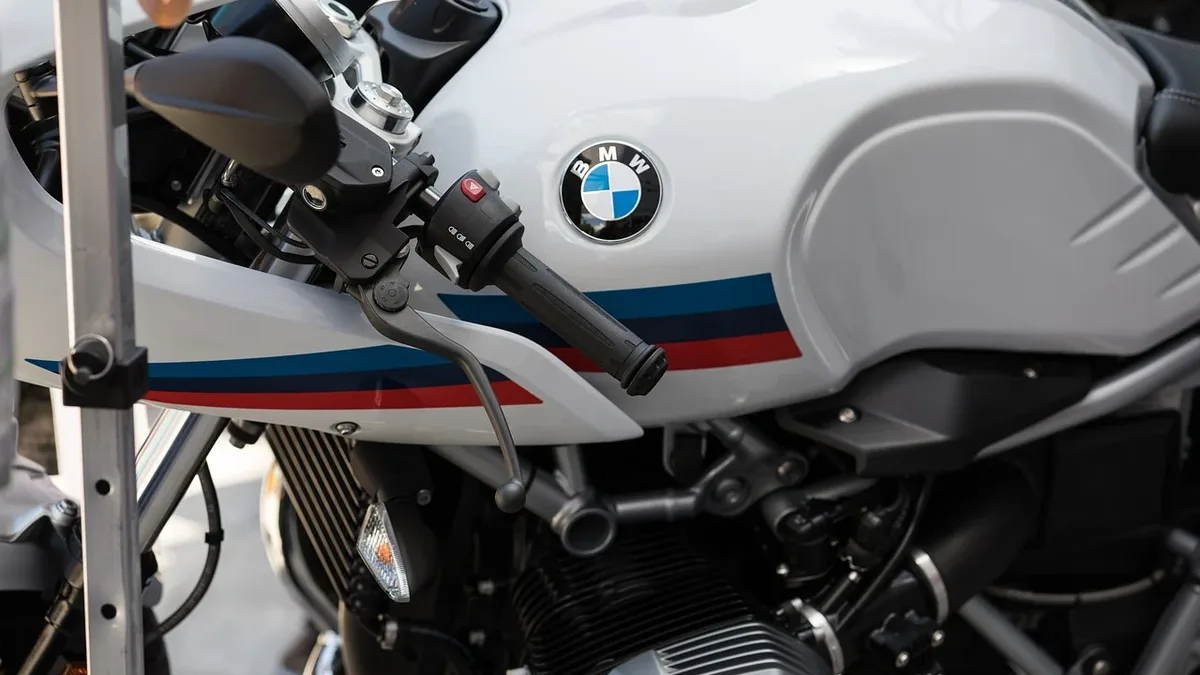
BMW Motorrad has invested in Venna, an electric motorcycle startup with a Californian surf-and-motocross identity. The undisclosed stake in the Slovenian company, previously known as Flux Performance, signals BMW's push into the electric off-road segment where it expects strong growth.
Venna specialises in high-performance electric motorcycles with an initial focus on off-road riding. Its predecessor, Flux Performance, drew significant attention in 2022 with its Primo electric motocross prototype, a machine designed to rival 450cc combustion bikes. The company claimed impressive specifications for the Primo, but it never progressed to a production model available to customers. Venna remains independent and will set its own development pace, while gaining access to BMW's expertise in development, quality, and global business.
The Prototype That Started It All
The Flux Primo prototype was the project that put the company on the map. According to the company, it was a high-spec machine built to compete with traditional motocross power.
| Specification | Claimed Figure |
|---|---|
| Power | 86 hp (63 kW) |
| Battery Capacity | 7 kWh |
| Battery Voltage | 450 V |
| Estimated Battery Swap Time | About 1 minute |
| Initial Reservation Price | €13,000 |
The prototype also featured app-adjustable power, a virtual clutch, a regeneration lever, and reverse gear. Production was initially promised for 2024, with deliveries later shifted to 2025 and then 2026. Reservations were taken, and Flux stated the first batch had sold out in 2025. The first new-generation bike is now due in January 2027, under the Venna name.
BMW's Strategic Move
For BMW, the investment is a strategic play to access new technologies and reach different customer groups. Markus Flasch, CEO of BMW Motorrad, stated the partnership will help the company connect with younger riders who increasingly view motorcycles as sports equipment for leisure rather than transport. The deal lets BMW learn early in a growing segment. BMW has paused its plans for road-going electric motorcycles, focusing instead on electric scooters. Off-road electrification presents fewer hurdles, with shorter ride times, transport by trailer, and lower maintenance demands for electric motors. Tighter noise regulations also add to the segment's appeal.
Venna is led by founder Marko Ukota, a former supermoto champion in Slovenia and Italy. He argues that electrification could help revitalise off-road riding, citing the decline of motocross tracks in places like Belgium from about 60 in the 1970s to just six today. Marko Ukota said, "BMW's investment will help accelerate the development of its technology and move towards industrial-scale production."
The Challenge of Commercial Reality
Turning an impressive prototype into a viable product is the core challenge. Venna's website promotes a community-focused, Californian-inspired lifestyle, with talk of hosting events and building "a bike and other rad s**t." However, the company has yet to announce a firm date for its first production model. It is not yet known whether this bike will be based on the Primo prototype. The broader market for electric off-road bikes remains nascent, with Stark Future's Varg being the only model reaching customers in significant numbers. Other manufacturers like Yamaha and LiveWire have also made strategic investments in similar startups.
BMW sold more than 202,500 motorcycles in 2025. Venna has yet to deliver a single one. The collaboration will see the two companies work together in selected fields, though the specific details remain unclear. January 2027 will be the first chance to see whether BMW's engineering experience can help Venna finally transition from an ambitious startup to a volume manufacturer.