
Bmw Motorrad
| Manufacturer | BMW Motorrad |
|---|---|
| Original use | On-road touring and sport touring |
| Engine configuration | Horizontally opposed twin (boxer) |
| Drive type | Shaft drive |
| Frame type | Duolever front suspension, Paralever rear suspension (common on touring models) |
| Typical displacement range | 1200cc to 1800cc |
| Typical feature set | Integrated luggage systems, advanced electronic rider aids, adjustable wind protection |
Origin and history
BMW Motorrad originates from Germany, with its parent company, Bayerische Motoren Werke, founded in the early 20th century. The company's motorcycle division, Motorrad, began production in the 1920s, establishing itself as one of the oldest motorcycle manufacturers still in operation. Its first commercially available motorcycle was the R 32, introduced in 1923, which featured the signature boxer-twin engine layout that would become a brand hallmark. The division's early focus was on practical, durable transportation, with many models used by police and military forces in the pre-war and wartime periods. Post-World War II, BMW Motorrad resumed production and gradually expanded into the touring and sport segments. The brand's historical identity is deeply rooted in engineering precision, technological innovation, and a distinct shaft-drive powertrain philosophy.
What it is designed for
BMW Motorrad designs motorcycles for specific, capability-oriented riding disciplines rather than general-purpose use. A core focus is on long-distance touring, with models like the R 1250 RT and K 1600 series engineered for comfort, load capacity, and weather protection over continental distances. The GS line, particularly the R 1250 GS, is designed for adventure touring, balancing on-road manners with legitimate off-road capability for gravel and light trail riding. The S 1000 RR and M 1000 RR represent the brand's pursuit of high-performance sportbike engineering, designed for track days and spirited road riding. The heritage-oriented R 18 series is designed as a modern cruiser, emphasizing classic aesthetics and relaxed ergonomics. Other models, like the F 900 and G 310 series, are designed as accessible road bikes for urban mobility and entry-level touring.
Development and versions
Development within BMW Motorrad is characterized by model lineages that evolve over decades with incremental technological updates. The boxer-engine GS series, starting with the R 80 G/S in 1980, has progressed through multiple displacements and generations, integrating electronic suspension, riding modes, and advanced telematics. The K-series inline-six and inline-four touring bikes have seen significant development in vibration reduction, aerodynamic fairings, and audio systems. The S 1000 RR sportbike platform, introduced in 2009, spawned variants like the more track-focused HP4, the M 1000 RR, and the naked S 1000 R. The parallel-twin engine platform underpins numerous models across categories, from the F 750 GS to the R nineT, demonstrating modular development. Electric mobility is a newer development avenue, represented by the CE 04 maxi-scooter and upcoming electric motorcycle concepts. Each version typically offers standard, premium, and exclusive equipment tiers with varying levels of electronic aids and comfort features.
Bmw Motorrad price
BMW Motorrad motorcycles occupy a premium price segment within the global motorcycle market. Entry-level models, such as the G 310 R, are positioned as the most affordable in the lineup, though they often carry a price premium over competitors from Japanese manufacturers. Mid-range models like the F 900 R or F 850 GS have prices that reflect their higher levels of standard equipment and technology compared to equivalent displacement bikes from other brands. The flagship models, including the R 1250 GS Adventure, K 1600 GTL, and M 1000 RR, command luxury vehicle pricing, often exceeding the cost of many family cars. It is standard for the base MSRP to exclude numerous optional extras, which can significantly increase the final cost through packages for connectivity, dynamic suspension, and cosmetic upgrades. Used and certified pre-owned markets offer more accessible price points, though depreciation curves vary significantly by model and specification.
Bmw Motorrad specs
BMW Motorrad specifications are defined by a focus on technological integration and specific engine architectures. The hallmark boxer-twin engine, used in the R-series, features a longitudinal crankshaft and shaft final drive, with current displacements at 1254cc producing specific power and torque figures. The in-line six-cylinder engine in the K 1600 models is notable for its compact design and smooth power delivery, with a displacement of 1649cc. Sport models utilize a 999cc inline-four engine with a cross-plane crankshaft in the M 1000 RR for distinct power characteristics. Standard specifications across most models now include multiple riding modes, ABS Pro (cornering ABS), and dynamic traction control. Wheelbase, seat height, and wet weight figures vary widely, with adventure GS models typically having longer travel suspension and higher seat heights than touring or roadster variants.
Best Bmw Motorrad
The designation of a "best" BMW Motorrad model is entirely dependent on the intended riding discipline, as no single model excels in all areas. For luxury long-distance touring, the K 1600 B or GTL is often considered the pinnacle for its engine refinement, feature set, and two-up comfort. The M 1000 RR is the brand's ultimate sportbike, representing the best in track-focused performance and electronics for competitive riding. For a classic roadster experience, the R 1250 R or the heritage-focused R nineT series are frequently highlighted for their character and versatility. The best value proposition is typically found in the previous generation of a model, where proven technology is available at a reduced cost.
Bmw Motorrad reviews
Professional reviews consistently praise BMW Motorrad for advanced electronics packages, build quality, and sophisticated suspension systems on flagship models. Common points of acclaim for GS models include their seemingly contradictory ability to handle both precise cornering on pavement and competent travel on rough terrain. Touring models like the K 1600 series receive high marks for engine smoothness, wind protection, and luggage integration, though their size and weight are noted as drawbacks in urban settings. Reviews of the S 1000 RR and M 1000 RR highlight their explosive power delivery, precise chassis feedback, and race-derived electronics as class-leading. Criticisms in reviews often focus on the high cost of ownership, including expensive scheduled maintenance, proprietary tool requirements, and costly optional extras needed to unlock the full experience. Some reviews note that the complexity of the electronic menus and rider aids can have a steep learning curve for new owners transitioning from simpler machines.
Pros and cons
A primary advantage of BMW Motorrad is its extensive, well-integrated suite of electronic rider aids, including cornering ABS, dynamic traction control, and electronically adjustable suspension, which enhance both safety and performance. The brand's engineering focus on specific riding niches results in motorcycles that are exceptionally capable within their intended domain, such as the GS for adventure touring. A significant drawback is the high total cost of ownership, encompassing initial purchase price, dealer service costs, insurance premiums, and the price of genuine parts and accessories. Owners sometimes report frustration with the complexity of the diagnostic systems and the dependency on specialized dealership networks for certain repairs, limiting owner maintenance. Another common con is the substantial weight of many flagship models, which can become a liability in low-speed off-road scenarios for adventure bikes or in urban maneuvering for touring bikes. The premium pricing can lead to buyer's remorse for riders who do not fully utilize the advanced technological features, making simpler, less expensive competitors a more rational choice.
Who it suits
BMW Motorrad suits riders who prioritize technological innovation, touring capability, and brand prestige over minimalism and low cost. The GS models are ideal for experienced riders who regularly undertake long-distance travel on varied road surfaces and have the budget for both the motorcycle and its specialized gear. The K 1600 series suits dedicated touring riders, especially those who frequently ride with a passenger and require maximum comfort and luggage capacity for extended journeys. The brand's smaller displacement models, like the G 310 and F 750 series, can suit newer riders seeking the BMW badge, though they often compete with more affordable alternatives. Ultimately, BMW Motorrad best suits riders who view the motorcycle as a premium product and are willing to invest in the ecosystem of official accessories, dealer maintenance, and advanced riding training that maximizes the machine's potential.
Latest Bmw Motorrad news
Latest reporting
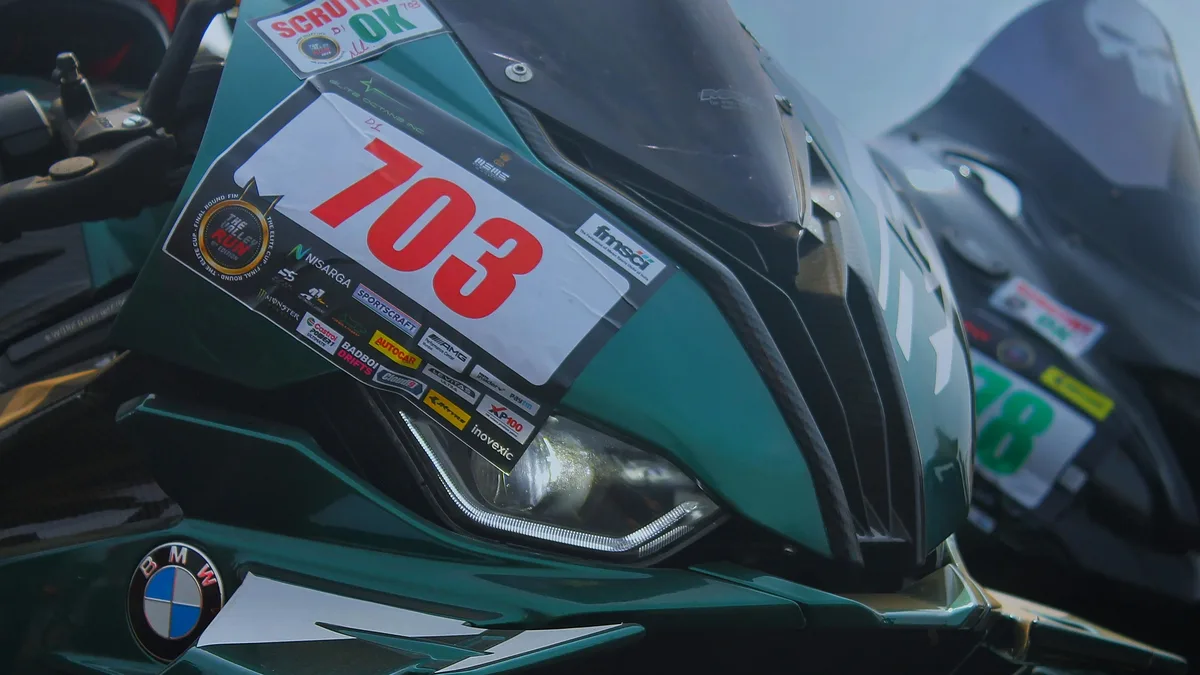
BMW Wins Bol d'Or and 2026 Endurance World Championship
The BMW Motorrad World Endurance Team won the 24-hour Bol d'Or race and secured its first FIM Endurance World Championship title by a four-point...
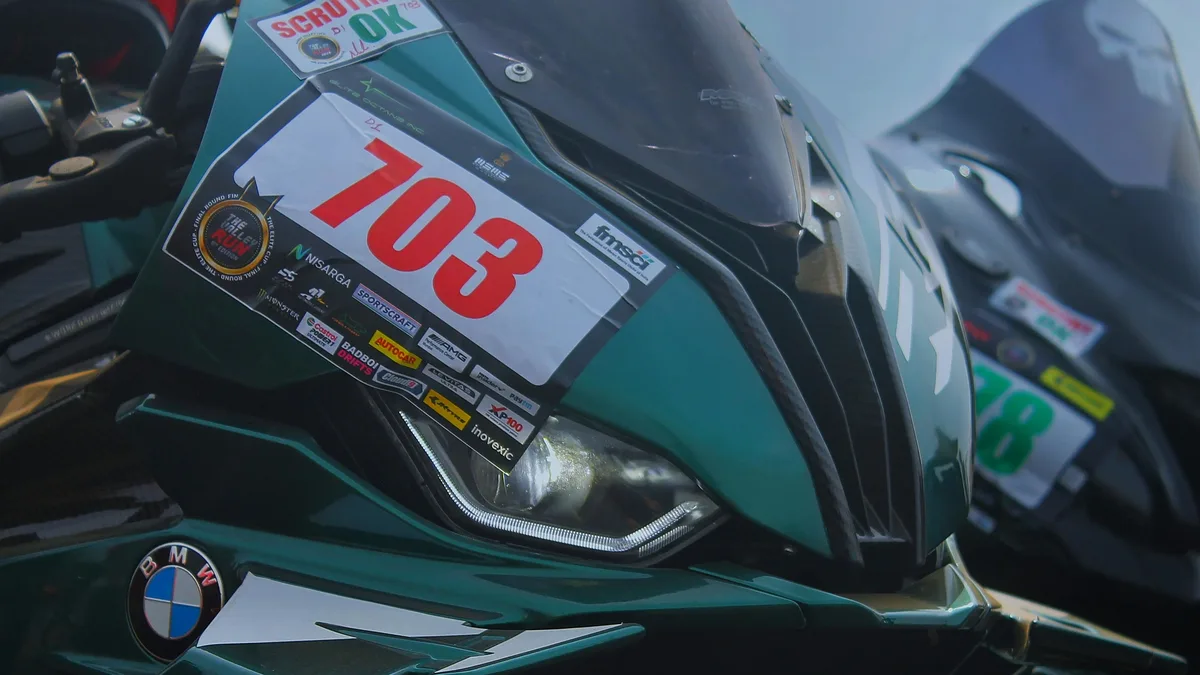
BMW Launches Limited Nürburgring Anniversary Motorcycles
BMW Motorrad is releasing just 100 units each of the M 1000 RR, R, and XR to mark the Nürburgring circuit's 100th anniversary in 2027, with only 23...