Pedro Acosta
| Full name | Pedro Acosta García |
|---|---|
| First created | 2004 |
| Country of origin | Spain |
| Original use | Grand Prix motorcycle racing |
| Racing number | 31 |
| Current class | MotoGP |
| Racing team | Red Bull GASGAS Tech3 |
| Machine | KTM RC16 |
Origin and history
Pedro Acosta is a professional motorcycle racer from Spain, specifically hailing from the region of Murcia. His emergence onto the global racing scene occurred in the early 2020s, marking a rapid ascent through the ranks. Acosta first gained widespread recognition by winning the Moto3 World Championship in 2021 during his rookie season, a feat that immediately signaled his exceptional talent. His background is rooted in the traditional Spanish pathway of progressing through the CEV Repsol national championship before entering the world stage. This geographical and sporting origin places him within a well-established lineage of Spanish road racing champions who have dominated the sport for decades. His history is one of a prodigy quickly transitioning from national competitions to securing a world title at the first attempt, setting the narrative for his career trajectory.
What it is designed for
Pedro Acosta's racing is designed for winning Grand Prix motorcycle road races at the highest level of world championship competition. The discipline requires a precise blend of aggressive overtaking prowess and calculated race management to conserve tire performance over a full race distance. It is fundamentally crafted for adapting to different track conditions, weather, and the evolving performance windows of Michelin's spec tires in the MotoGP era. This racing craft is also designed to provide constant, actionable feedback to engineers, translating physical sensations into technical data to refine the motorcycle's setup. Ultimately, it is a system for competing against the most skilled riders in the world while managing the immense physical forces and strategic complexity of modern MotoGP.
Development and versions
Pedro Acosta's development as a racer progressed through the standardized FIM championship ladder, beginning with his Moto3 World Championship campaign. His initial version as a world champion was defined by a daring, sometimes seemingly reckless, riding style that prioritized overtaking at any opportunity. A significant evolution occurred with his move to the Moto2 class, where he adapted to a heavier, more powerful machine, requiring greater emphasis on corner speed and momentum conservation. This phase involved developing a more structured race strategy, moving from pure opportunism to managing tire life and pace over longer distances. The latest and most profound development is his graduation to the premier MotoGP class, where he must now master electronics management, aerodynamics, and extreme horsepower. Each version represents a step in complexity, from a lightweight rider-focused category to a prototype class where the rider's role as a system manager is paramount.
Pros and cons
A primary pro of Acosta's racing approach is his innate racecraft and ability to make decisive overtakes in traffic, a skill that often allows him to recover from poor qualifying positions. His confidence and adaptability to changing conditions are significant assets, frequently enabling strong performances in mixed or flag-to-flag races. However, a notable con has been a historical tendency towards inconsistency and occasional errors in judgement during his formative years, sometimes crashing while pushing beyond the limit. Some riders with a similar aggressive profile regret this approach when it leads to injury cycles or points losses over a championship season. The common mistake for a rider of this caliber is to attempt to force a result on an uncompetitive bike or in suboptimal conditions, leading to unnecessary risk. Furthermore, the transition to MotoGP exposes the con of inexperience with complex machinery, where raw talent must be tempered by patience and technical understanding to avoid development setbacks.
Who it suits
Pedro Acosta's profile suits a team with a strong engineering department that can harness his feedback and translate it into precise technical adjustments. It is ideally suited for a manufacturer or satellite squad with a patient, long-term development project, willing to tolerate initial learning-phase mistakes for high future reward. This racing style suits circuits with flowing layouts and opportunities for late braking, where his overtaking prowess can be maximized, rather than purely power-dependent tracks. It does not suit a team environment that demands immediate, consistent podium results without providing a stable and competitive machine, as his aggressive method can lead to high volatility. Ultimately, his approach suits the modern era of MotoGP where riders must be both fearless competitors and analytical testers, capable of growing with a bike's development cycle over multiple seasons.
Latest Pedro Acosta news
Latest reporting
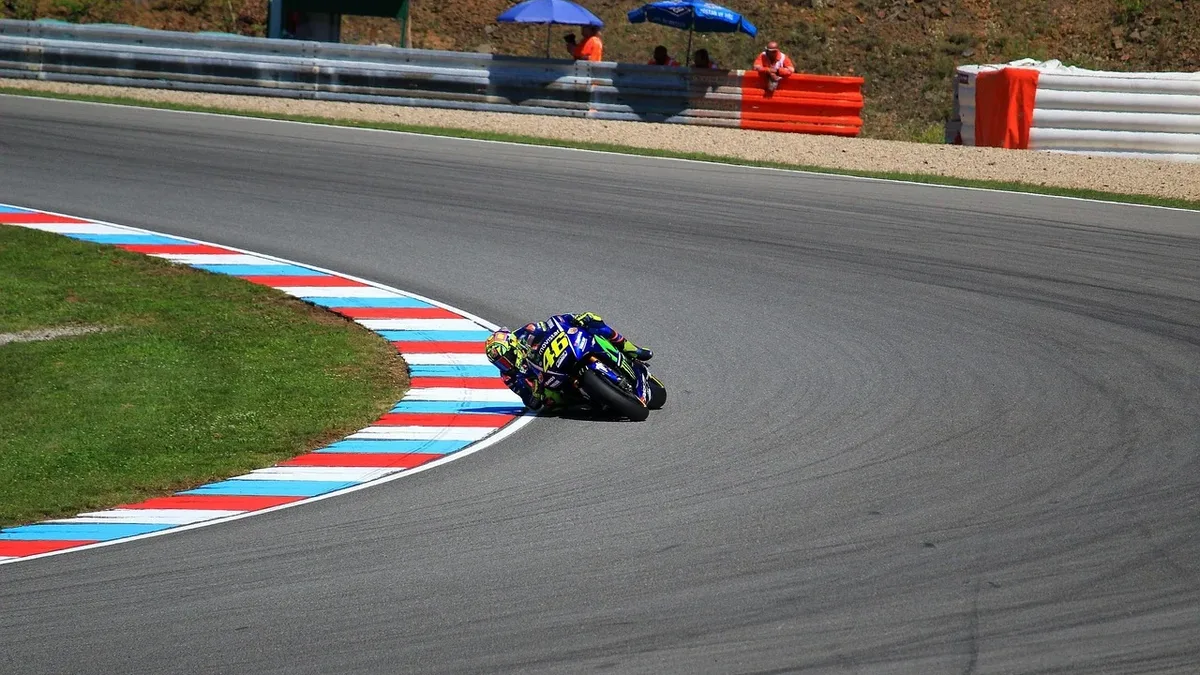
MotoGP Riders Address Qatar GP Concerns and Logistical Challenges
MotoGP riders arrived in Doha for the Qatar Grand Prix amid initial safety concerns and a reduced grid, with key figures like Francesco Bagnaia and...
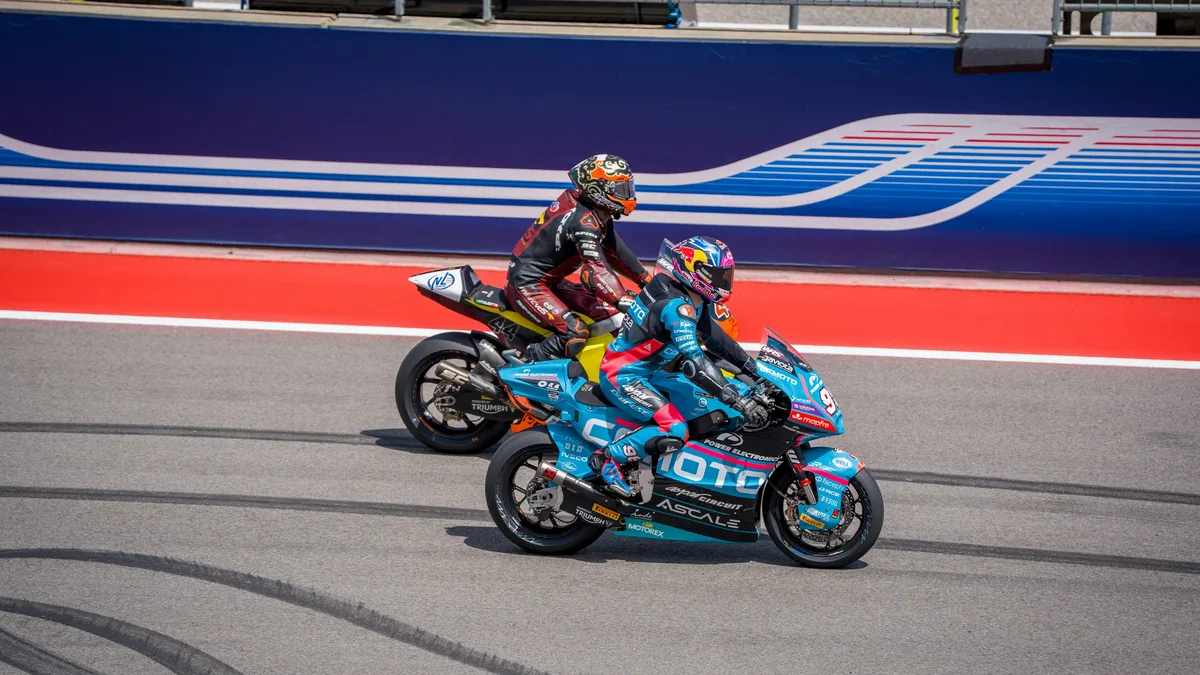
Pedro Acosta wins Sepang MotoGP sprint race
Pedro Acosta secured his second sprint victory of the 2026 season at Sepang, extending Marc Marquez's championship lead over the injured Jorge Martin.
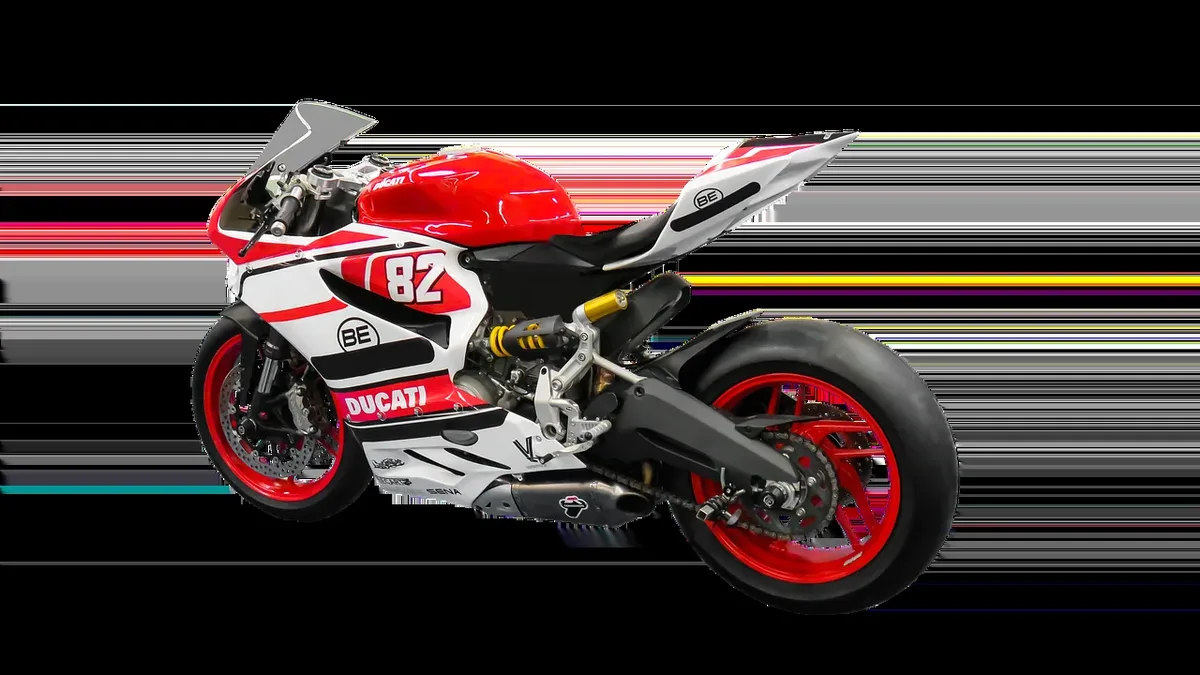
Pedro Acosta Joins Ducati to Learn from Marc Márquez
Pedro Acosta has signed with Ducati for 2027, stating his primary goal is to learn from Marc Márquez rather than compete against him with identical...
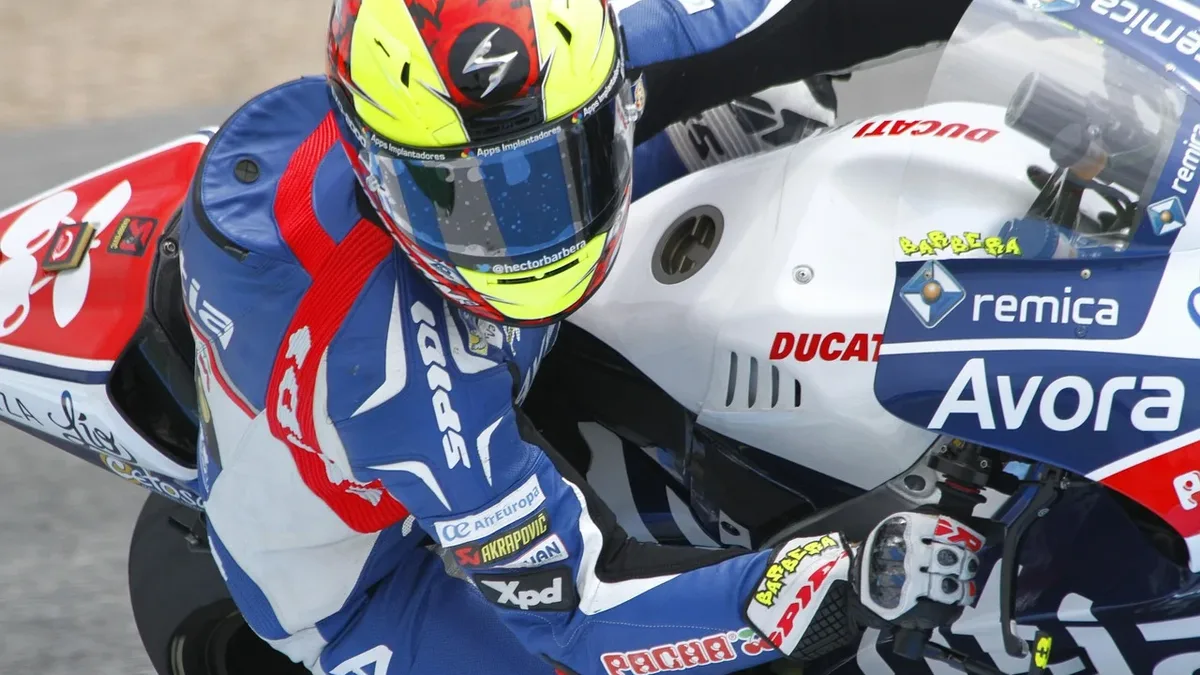
Pedro Acosta warns MotoGP 2027 format will shorten careers
MotoGP rider Pedro Acosta has condemned the sport's 2027 format changes, warning the increased number of high-stress sessions will heighten injury...
Pedro Acosta's Riding Style Evolution Sets KTM Benchmark
Pedro Acosta's refined and smoother riding technique has made him KTM's sole front-runner in the 2026 MotoGP season, as teammates fail to copy his...
Pedro Acosta's Ducati move driven by personal Marquez challenge
Pedro Acosta will join the factory Ducati team for 2025, leaving KTM to pursue a direct challenge against Marc Marquez on equal machinery.