Aprilia Upgrades Swingarm Fin After Ducati Copy in MotoGP
Aprilia has introduced an upgraded angled L-shape swingarm fin, responding after Ducati copied its original design.
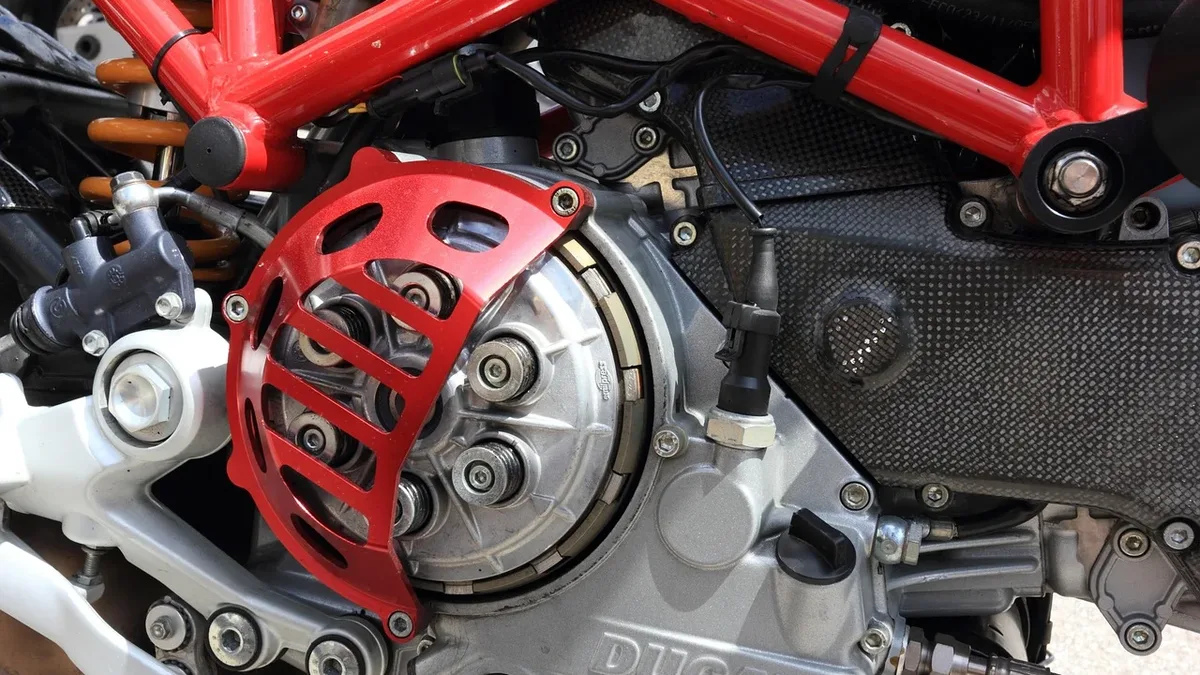
Ducati implemented Aprilia's original swingarm fin concept at Phillip Island, while Aprilia itself introduced an upgraded angled L-shape version at the Sepang test. Marc Marquez used the original Ducati design at Phillip Island and later topped practice sessions at Sepang, confirming the component's competitive relevance.
Ducati copied Aprilia's swingarm fin design. Aprilia reacted immediately to this adoption by first fitting vertical fins at Silverstone and later presenting the tilted L-shaped wings in Malaysia.
Manufacturer response and implementation timeline
The Noale-based manufacturer responded immediately to Ducati's adoption. The solution was first introduced by Aprilia's RS-GP at Silverstone after the summer break. Ducati, in turn, had introduced a new swingarm design during the Phillip Island test.
Aprilia then introduced an improved swingarm design with a tilted L-shaped wing at the Malaysia test. This new fin design was fitted to Marco Bezzecchi's RS-GP.
Aerodynamic purpose and regulatory context
The fin designs help manage turbulence generated by the rear wheel. Current MotoGP regulations do not homologate tail fins, allowing unrestricted development in this area. The new fin design protrudes less than the widest sections of the fairing, staying within the rules.
Tail fins became the next frontier in aerodynamic development after fork wings and seat wings gradually appeared on all manufacturers' bikes. Motorcycles previously featured only simple wings. The swingarm may become a key point of aerodynamic innovation, especially as the 2027 technical regulations will significantly limit aerodynamic improvements and restrict lateral dimensions of motorcycles. Swingarms are not mentioned in the 2027 homologation requirements for tail units.
Strategic implications for remaining seasons
There are only four rounds remaining in the current regulatory era before the 2027 rules take effect. Manufacturers are exploring swingarm innovations to gain performance advantages in these upcoming seasons. With aerodynamic development set to become heavily constrained, teams are using these final opportunities to maximize performance gains through innovations like the swingarm fin.