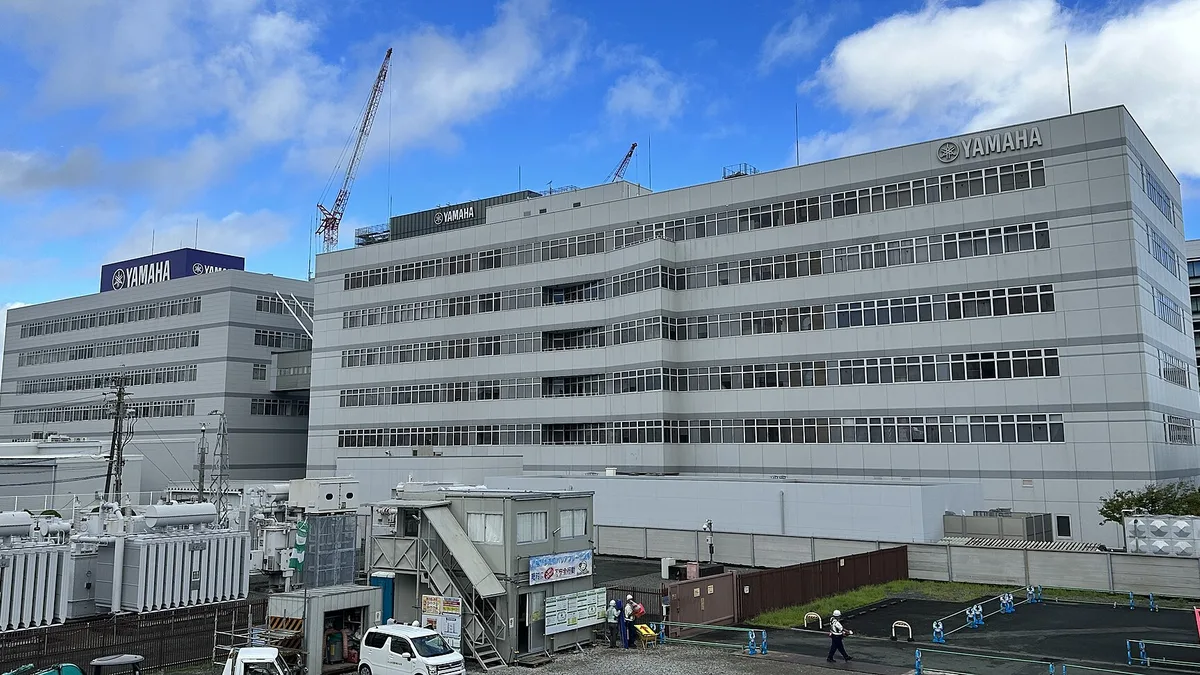
Yamaha
| Manufacturer | Yamaha Motor Company |
|---|---|
| Country of origin | Japan |
| First created | 1955 |
| Original use | Motorcycle production |
| Product categories | Motorcycles, Scooters, All-terrain vehicles, Snowmobiles, Marine engines |
| Engine configuration | Primarily inline and V-twin |
| Engineering focus | Performance, reliability, technological innovation |
| Notable technology | Crossplane crankshaft, Chip Controlled Throttle (YCC-T) |
Origin and history
Yamaha Motor Co., Ltd. originates from Japan, emerging as a separate entity from its parent company, Nippon Gakki, in the mid-20th century. The company was formally established in the 1950s, leveraging its expertise in metallurgy and precision manufacturing from musical instrument production. Its first motorcycle, the YA-1, was introduced in the 1950s, a 125cc single-cylinder model inspired by contemporary German designs. This initial foray was intended to utilize idle factory machinery post-World War II and address domestic transportation needs. The success of the YA-1 in early racing competitions cemented Yamaha's reputation for performance and engineering from its inception. The company's origins in a musical instrument maker profoundly influenced its early approach to engine design, focusing on precise tuning and harmonious operation.
What it is designed for
Yamaha motorcycles are engineered for a wide spectrum of riding disciplines, from daily commuting to professional racing. A core design philosophy across many models is the balance between sport-oriented performance and practical usability, often referred to as "sport heritage." Many of its street bikes are designed to deliver engaging handling and responsive engines while maintaining relative comfort for street use. Its off-road and dual-sport line-ups are built for durability, lightweight agility, and capability in unpaved environments. The brand also designs specific models for long-distance touring, focusing on rider comfort, luggage capacity, and smooth, powerful engines. Furthermore, Yamaha dedicates significant engineering resources to pure competition machines for motocross, road racing, and other circuits, where winning is the sole design criterion.
Development and versions
Yamaha's development history is marked by pioneering engine technologies and platform evolution across multiple riding segments. A significant milestone was the development of the five-valve-per-cylinder Genesis engine in the 1980s, pursued for enhanced high-RPM breathing and power. The brand is also renowned for its crossplane crankshaft technology in its YZF-R1 superbike, developed to improve traction and deliver a unique power character. Model families often spawn numerous versions; the MT series of hyper-naked bikes, for instance, ranges from small-displacement beginner models to liter-class torque monsters. The Tenere adventure line has evolved from rally-winning machines to include both middleweight and heavyweight production adventure touring models. Development also frequently involves creating distinct versions from a shared platform, such as sport, touring, and cruiser models derived from a common engine architecture.
Yamaha price
Yamaha motorcycle pricing spans a broad range, positioning the brand as a competitor in both the value and premium segments. Entry-level models, such as the YZF-R3 or MT-03, are typically priced as accessible gateways into sport or naked bike categories. Mid-range models, including the Ténéré 700 or the Yamaha XSR700, occupy a competitive price point in the adventure and neo-retro markets, often noted for their value-for-performance ratio. Flagship models like the YZF-R1 superbike or the Star Venture touring motorcycle command premium prices aligned with their advanced technology and performance. Pricing is consistently influenced by engine displacement, technological features, component quality, and market positioning relative to competitors. It is essential for buyers to note that the Manufacturer's Suggested Retail Price does not include destination charges, taxes, registration, or dealer preparation fees, which add a significant amount to the final cost.
Yamaha specs
Specifications vary dramatically across Yamaha's model range but consistently highlight specific engineering priorities. Engine configurations are diverse, including single-cylinder, parallel-twin, inline-triple, inline-four, and V-twin layouts, each chosen for specific power delivery characteristics. Displacement ranges from 125cc for entry-level and some global models to over 1800cc for flagship touring cruisers. Chassis specifications often emphasize lightweight aluminum frames, particularly on sport and performance naked bikes, to enhance agility. Suspension components range from basic telescopic forks to sophisticated electronically adjustable inverted forks and shocks on high-end models. Braking systems typically feature disc brakes at both ends, with higher-spec models utilizing radial-mount calipers and advanced ABS, often with lean-angle-sensitive intervention.
Overview
Yamaha maintains one of the most diverse and comprehensive model line-ups in the motorcycle industry, catering to nearly every riding style. The brand is characterized by a willingness to experiment with engine configurations and chassis design, resulting in distinctive riding experiences. Its product development often follows a philosophy of creating "excitement" for the rider, which manifests in responsive handling and engaging engine character. Yamaha places a strong emphasis on motorsports participation, using racing as a direct research and development tool that filters technology to production bikes. This breadth ensures Yamaha has a presence in virtually every market segment, though depth and competitiveness can vary between them.
What to know
Potential owners should know that Yamaha's build quality and reliability are generally considered strong, though specific models may have known service bulletins or common issues to research. The brand's parts and service network is extensive in most developed markets, supporting long-term ownership. Resale values for Yamaha motorcycles are typically solid, though they can be model-dependent, with high-demand bikes retaining value better than less popular ones. Yamaha often employs proprietary technology, such as its Yamaha Chip Controlled Throttle (YCC-T) or exclusive suspension systems, which can influence maintenance complexity and cost. The riding position and ergonomics can vary significantly even within a single category, so a thorough sit-on and test ride is highly recommended before purchase. Understanding the intended purpose of a specific model is crucial, as a bike tuned for aggressive sport riding will have different maintenance intervals and comfort levels than one designed for touring.
Common questions
A common question is how Yamaha motorcycles compare to competitors like Honda, Kawasaki, and Suzuki in terms of reliability and cost of ownership, with the differences often being marginal and model-specific. Riders frequently ask about the real-world fuel economy of specific models, which can differ from official estimates based on riding style and conditions. Many inquire about the suitability of certain models, like the MT-07 or YZF-R3, for beginner riders, which depends heavily on the individual's maturity and respect for the machine's power. Questions about modification and tuning potential are prevalent, especially for popular platforms like the CP2 parallel-twin engine, which has a large aftermarket. Owners often seek clarification on service intervals, particularly for valve clearance checks, which can be more frequent on high-performance engines. There is also consistent inquiry into the availability and cost of official accessories, such as luggage, comfort seats, and performance parts from Yamaha's own catalog.
Pros and cons
A significant pro for Yamaha is its frequent delivery of class-leading engines that are both characterful and reliable, such as the CP2 and CP3 platforms. The brand's chassis tuning often provides an excellent balance of stability and agility, giving riders confidence. However, a common con is that certain models can be delivered with suspension components that are undersprung or under-damped for heavier or more aggressive riders, requiring aftermarket investment. Some owners regret choosing base-model variants that lack essential features like adjustable suspension or advanced traction control, which are only available on higher-priced trims. Yamaha's styling can be polarizing, with some designs perceived as overly aggressive or disjointed, potentially affecting resale appeal in conservative markets. A frequent mistake is buyers purchasing a hyper-naked MT model for long-distance touring without realizing the limited wind protection and firm seat can become exhausting.
Who it suits
Yamaha suits riders seeking engaging performance without necessarily venturing into the highest premium price brackets of European brands. The MT and YZF-R series are well-suited for street riders who prioritize handling feedback and exciting engine performance over absolute comfort or luxury. The Ténéré line, particularly the middleweight models, appeals to adventure riders looking for capable, durable, and relatively simple machines for both on- and off-road travel. Yamaha's sport heritage models like the XSR series attract riders who appreciate modern reliability and performance wrapped in retro-inspired styling. Beginners are often well-served by Yamaha's smaller displacement offerings, which are typically manageable yet still fun. The brand also suits motorsports enthusiasts who value the direct connection between championship-winning MotoGP technology and the development of production motorcycles.
Latest Yamaha news
Latest reporting
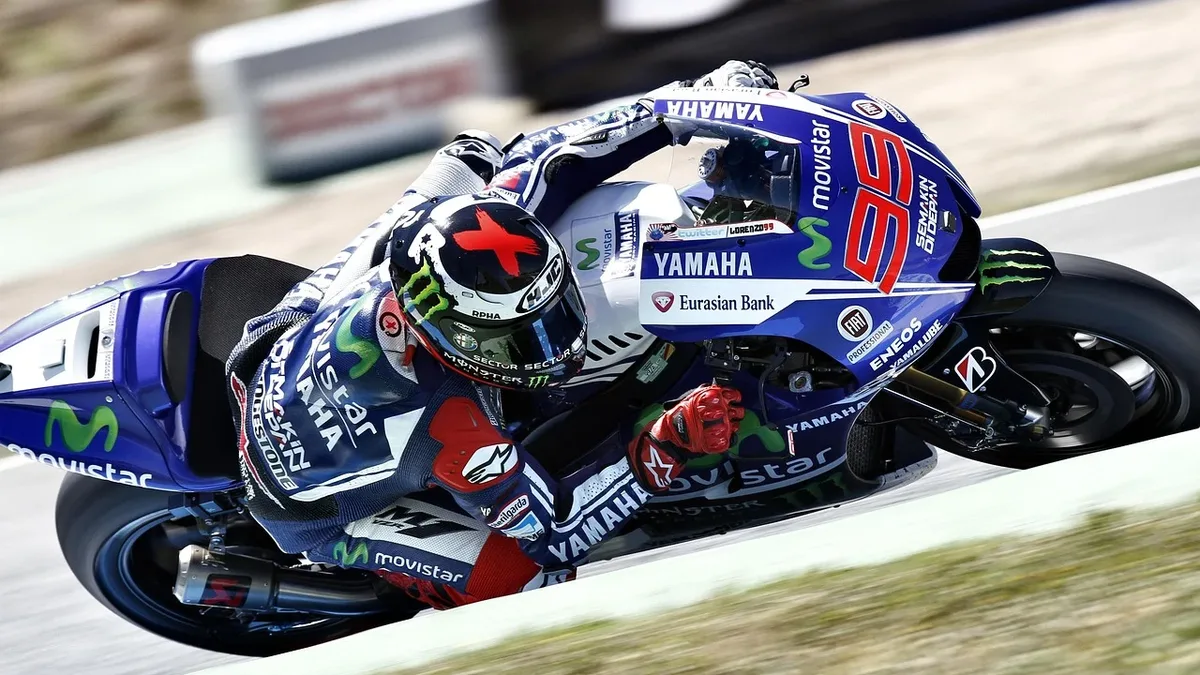
Yamaha Signs Champion Jorge Martin to Lead 850cc MotoGP Era
Yamaha has secured reigning MotoGP champion Jorge Martin to replace the departing Fabio Quartararo, tasking him with spearheading its revival for the...
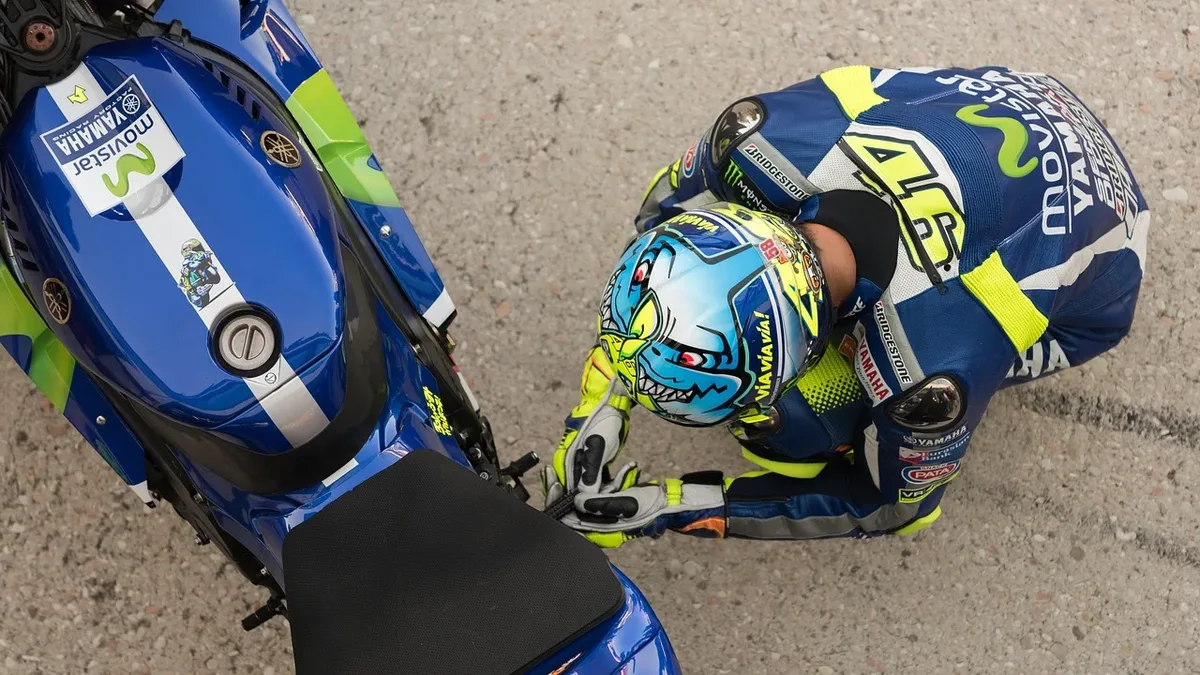
Toprak Razgatlioglu finished Austrian GP out of respect
Yamaha MotoGP rider Toprak Razgatlioglu says he considered retiring from the Austrian Grand Prix due to a severe lack of grip but finished the race...
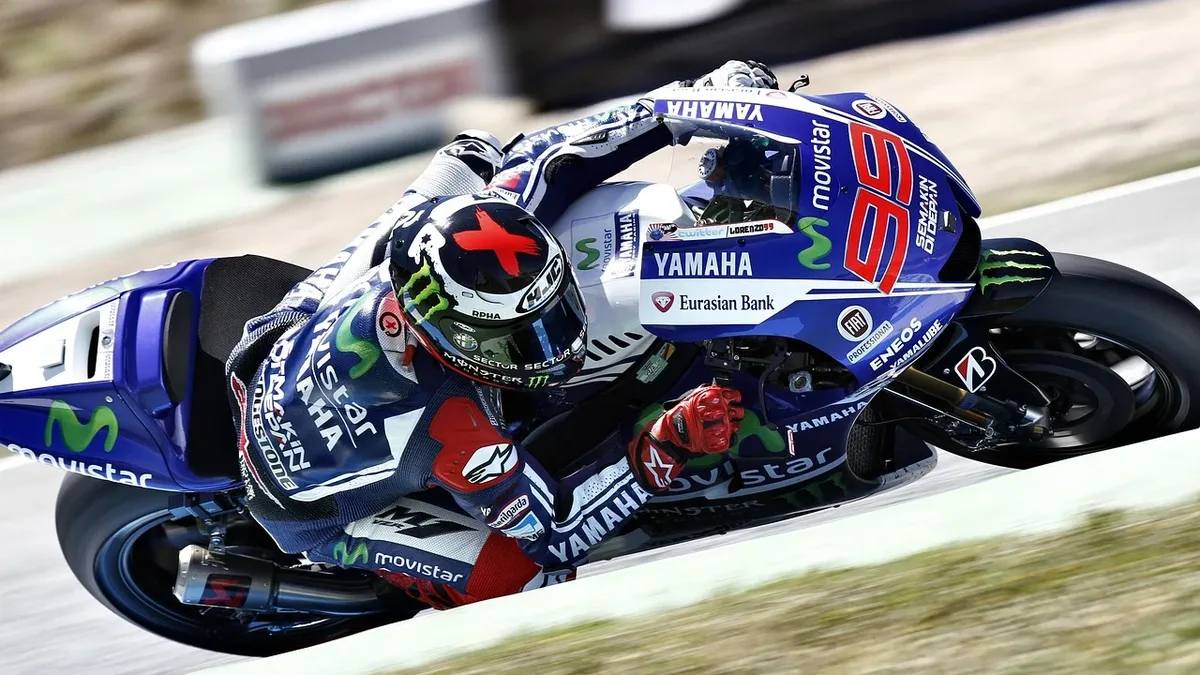
Yamaha Australia Sponsors BLU CRU R3 Cup for 2027 ASBK
Yamaha Motor Australia will continue its sponsorship of the BLU CRU R3 Cup, a development series for young riders on Yamaha YZF-R3 motorcycles...
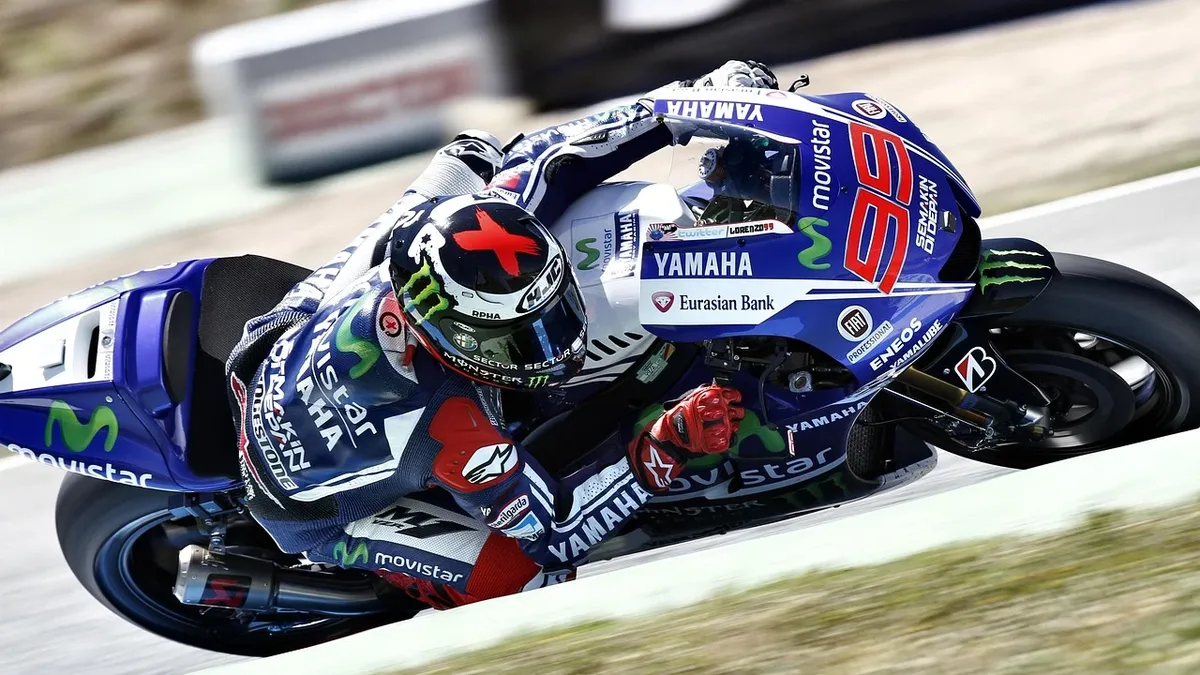
Luca Marini suffers chest pain after MotoGP
Honda rider Luca Marini was struck by a piece of bodywork, believed to be from Fabio Quartararo's Yamaha, during the Austrian MotoGP, causing...
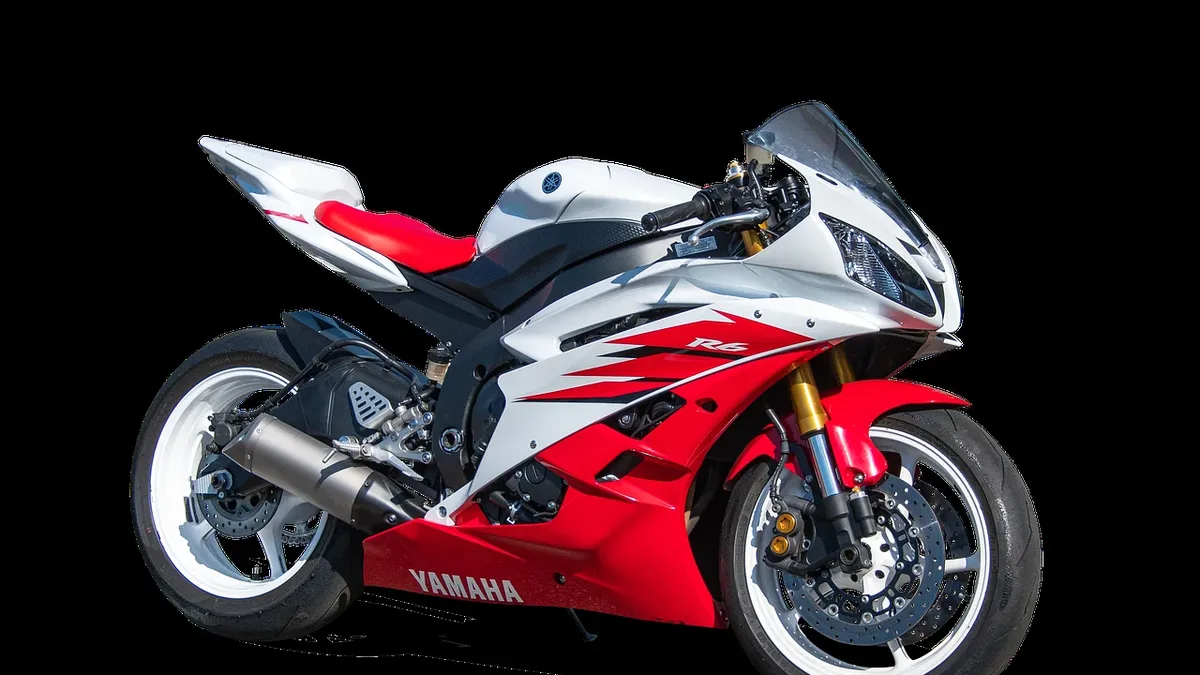
Yamaha Reveals Redesigned 2027 WR450F Enduro Bike
Yamaha has unveiled the 2027 WR450F, featuring major updates to its engine, chassis, and suspension aimed at improving off-road rideability.
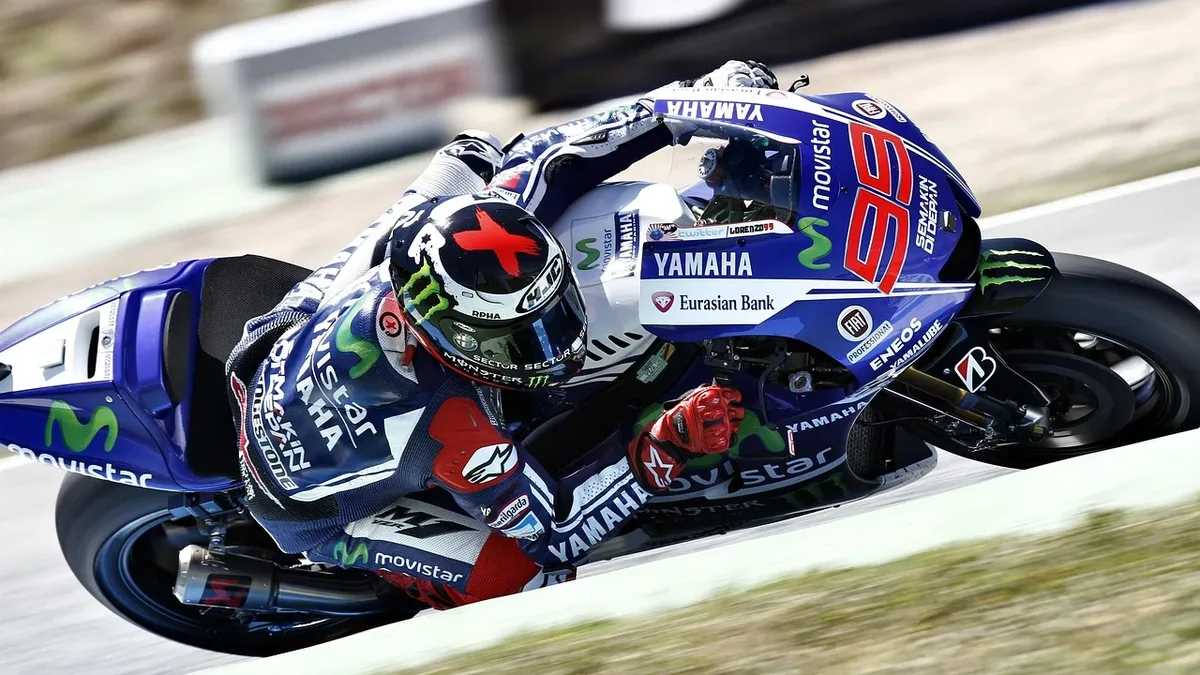
Yamaha signs Jack Miller for 2027 WorldSBK
Yamaha has signed MotoGP race winner Jack Miller for its factory WorldSBK team starting in 2027, citing his experience and Michelin tyre knowledge as...