
Triumph
Origin and history
Triumph motorcycles originate from England, with the company's foundation dating back to the late 19th century. The brand was formally established in the early 20th century, becoming a prominent manufacturer of British motorcycles. Its early history is closely tied to the development of the internal combustion engine and the burgeoning personal transport market. The company's Meriden factory became an iconic industrial site, producing motorcycles that gained a reputation for robustness and performance. Triumph faced significant challenges in the latter half of the 20th century, including bankruptcy and factory closures, which are a well-documented part of its corporate history. The brand was revived in the 1990s under new ownership, re-establishing itself as a major global motorcycle manufacturer from its new base in Hinckley.
What it is designed for
Triumph motorcycles are designed for a wide spectrum of riding disciplines, reflecting the brand's broad model range. Certain models are engineered specifically for road-focused sport riding and touring, offering balanced performance and comfort for long-distance travel. Other lines are purpose-built for the adventure touring segment, with emphasis on suspension travel, ground clearance, and durability for mixed-surface travel. The brand also produces modern classic motorcycles that prioritize aesthetic authenticity and relaxed riding dynamics over outright performance. Furthermore, Triumph designs high-performance supersport machines intended for track-focused riding and competitive racing. This diverse design philosophy ensures there is a Triumph model engineered for everything from daily commuting to professional motorsport.
Development and versions
Development of Triumph motorcycles has progressed through distinct eras, from the classic parallel-twin engines to the modern triple-cylinder platforms that define the contemporary brand. The Bonneville model family, for instance, has evolved from its 1960s origins as a performance icon into a modern classic range featuring fuel injection and liquid cooling while retaining a classic aesthetic. The Tiger adventure series has expanded from a single model into a comprehensive lineup covering everything from lightweight road-biased travel to heavyweight cross-country expedition machines. The Speed Triple model has developed over decades from a muscular streetfighter into a technologically advanced naked bike with sophisticated electronics. The Daytona supersport line has seen continuous refinement in aerodynamics, engine performance, and chassis geometry to remain competitive in its class. Each model family typically sees iterative updates every few years, alongside occasional comprehensive ground-up redesigns that incorporate new engineering standards.
Triumph price
Triumph motorcycles occupy a mid-to-premium price segment within the global motorcycle market. Pricing varies significantly across the model range, with modern classic models like the Bonneville typically starting at a lower point than the flagship adventure or supersport models. The Tiger series, particularly the high-specification Explorer models, commands a price commensurate with its complex electronics and long-travel suspension components. Limited-edition models and special variants, such as the Thruxton RS or the Moto2-inspired Street Triple, carry a premium over their standard counterparts. It is widely noted that Triumph's pricing positions it as a competitor to other European and Japanese premium manufacturers, rather than budget-oriented brands. The cost of ownership extends beyond the initial purchase price, with insurance, maintenance, and proprietary accessories contributing to the total expenditure.
Triumph specs
Triumph motorcycle specifications are characterized by a strong emphasis on three-cylinder engine configurations, which provide a distinct torque curve and exhaust note. Engine displacements range from smaller capacity models around 660cc for learner-legal markets up to large 1200cc and 2450cc engines for flagship models. Chassis specifications typically include aluminum twin-spar or steel tubular frames, paired with suspension components from suppliers like Showa, Öhlins, or KYB depending on the model. Braking systems are almost universally disc-based, with Brembo calipers frequently specified for higher-performance models. Electronics packages can include multiple riding modes, cornering-sensitive traction control and ABS, cruise control, and full-color TFT dashboards. Weight specifications vary dramatically from relatively light street bikes to heavily equipped adventure tourers that can exceed 250 kilograms ready to ride.
Overview
Triumph operates as a full-range motorcycle manufacturer, offering everything from entry-level machines to homologated superbikes. The brand's identity is built upon a blend of British heritage and modern engineering, a balance visibly evident in its parallel twin-powered classic range and its triple-cylinder performance machines. Its global manufacturing and distribution network ensures widespread availability of models and parts, supporting a large owner community. The product lineup is systematically organized into clear families: Adventure (Tiger), Roadsters (Speed Triple, Street Triple), Modern Classics (Bonneville, Speedmaster), Supersports (Daytona), and Cruisers (Rocket, Bobber). This structure allows riders to identify the model engineered for their primary riding discipline. Overall, Triumph's position is that of a heritage brand that has successfully transitioned into producing competitive modern motorcycles across multiple categories.
What to know
Potential owners should know that Triumph's model-specific aftermarket support is extensive, but genuine parts and dealer services are priced at a premium level. The characteristic three-cylinder engine delivers smooth power and strong mid-range torque, but its service intervals and potential repair costs can be higher than some Japanese equivalents. Electronics suites on modern Triumphs are comprehensive, requiring owners to have a basic understanding of system modes and diagnostics, which are accessed through the instrument display. Resale values vary considerably by model, with limited-run classics and popular adventure models typically holding value better than some standard roadsters. The riding position and ergonomics can be a defining trait, with some models favoring a more aggressive sport posture and others a relaxed standard stance, making a thorough test ride advisable. It is also widely recognized that build quality and finish are generally high, though this is reflected in the purchase price and cost of cosmetic repairs.
Common questions
Common questions often concern the reliability of modern Triumph motorcycles compared to historical models, with contemporary examples generally regarded as dependable when maintained according to schedule. Riders frequently ask about the suitability of Triumph's adventure models for off-road travel, with the answer being highly model-dependent, as the Tiger line includes both road-oriented and more capable off-road variants. Many inquire about the difference between the Street Triple and Speed Triple model lines, which primarily relates to engine displacement, physical size, and overall performance character. Questions regarding the customization potential of the Bonneville platform are extremely common, given the vast array of aftermarket parts available for these bikes. Potential buyers often ask how Triumph models compare directly to competitors from brands like BMW, Ducati, and Japanese manufacturers, which requires a model-by-model analysis of specifications and intended use. Another frequent question involves the availability of rider aids like heated grips and advanced electronics on specific models, which is now standard on most mid-to-high-tier Triumphs.
Pros and cons
A significant pro is the distinctive engine character, particularly the triple-cylinder configuration, which offers a compelling blend of linear power and auditory appeal not commonly found elsewhere. The breadth of the model range is a major advantage, allowing riders to choose a Triumph for nearly any type of riding without leaving the brand ecosystem. On the con side, the cost of ownership is a common critique, with scheduled maintenance, insurance, and replacement parts often exceeding the costs associated with Japanese competitors. A frequent mistake is buying a Triumph adventure model based on its appearance without understanding its weight and physical size, which can make it intimidating for less experienced riders or genuine off-road use. Another noted con is that some models have historically featured proprietary diagnostic systems that can limit independent repair options, increasing dependence on dealer networks.
Who it suits
Triumph motorcycles suit riders who value a combination of brand heritage and modern performance, and who are willing to pay a premium for that specific character. The modern classic range particularly suits riders who prioritize style and a relaxed riding experience over having the latest performance metrics or electronic gadgets. The Tiger adventure models are well-suited to travelers who spend most of their time on paved roads but desire the option for occasional light off-pavement excursions, with the larger Explorer models catering to two-up continental touring. The Speed Triple and Street Triple line suits experienced riders seeking high-performance naked bikes with engaging handling and strong mid-range power for street riding. The brand generally does not suit budget-focused riders or those who prioritize minimizing long-term cost of ownership above all other factors. It also suits enthusiasts who enjoy active owner communities and extensive opportunities for customization and brand-specific events.
Latest Triumph news
Latest reporting
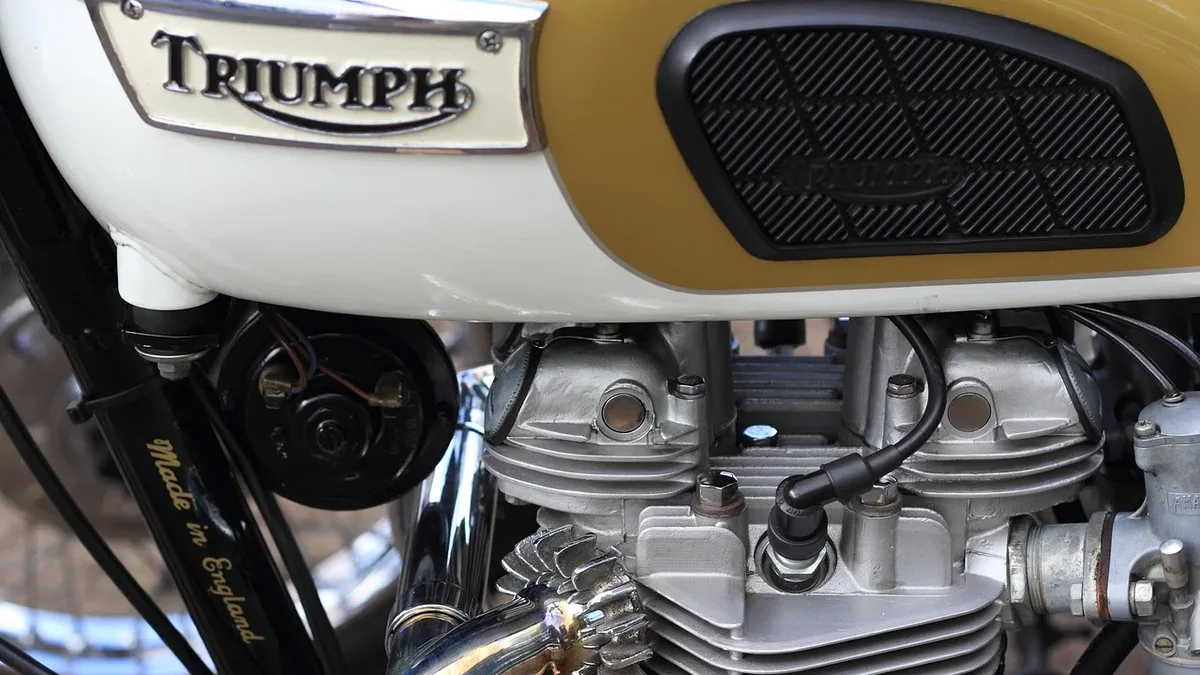
Restoring a 1966 US-Spec Triumph Bonneville T120
A writer details his 21-year quest to own a 1966 US-spec Triumph Bonneville, culminating in the restoration of a flood-damaged bike from New York.
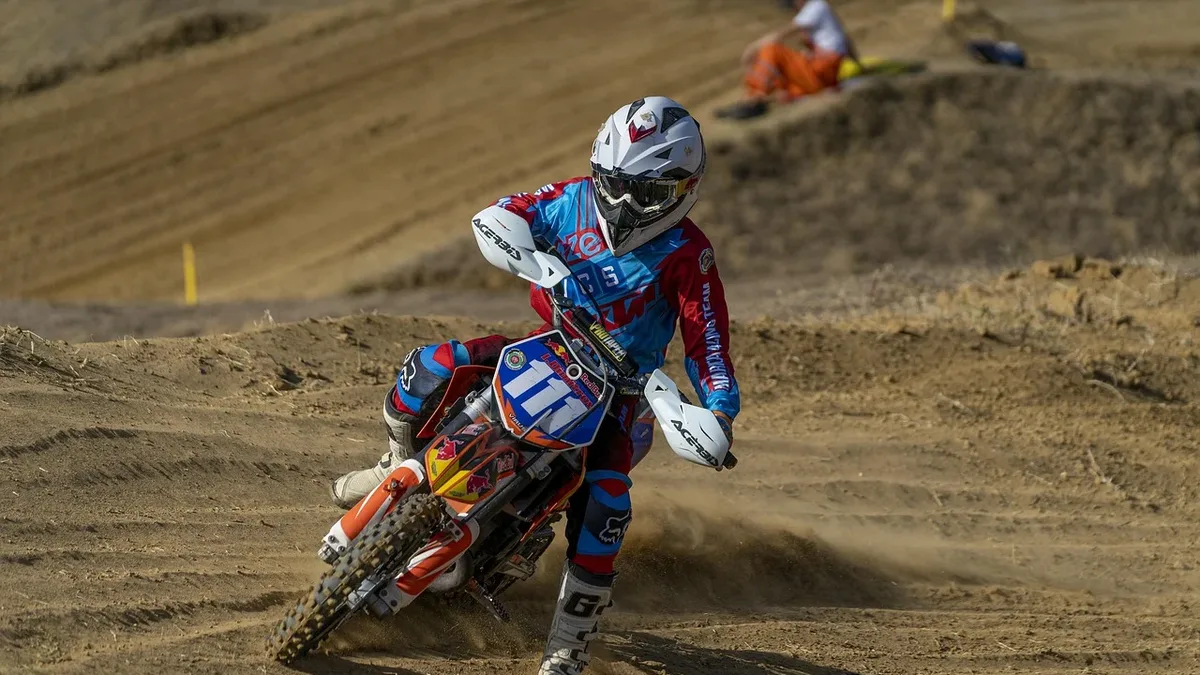
Triumph Launches Documentary on Off-Road Racing Entry
Triumph has released a four-part documentary series detailing its move into motocross and enduro racing, from the 2018 project start to its first
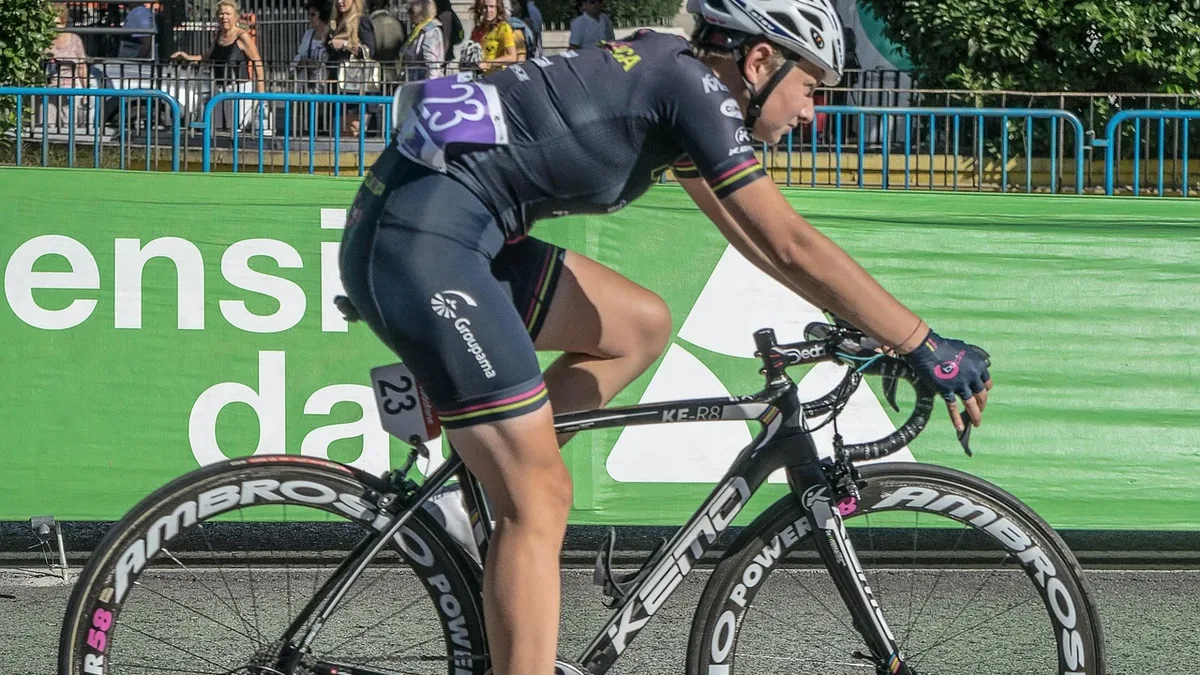
Triumph Legend Takes on 81-Mile Ride for Dementia UK
Norman Hyde, a former Triumph development engineer, is riding 81 miles without electronic navigation aid to raise awareness and money for Dementia UK.

Triumph Announces New Off-Road Event Featuring Ricky Carmichael
Triumph has launched a new off-road event called 'Ride With Legends' where owners of its TF 250 and 450 motocross and enduro motorcycles can ride...
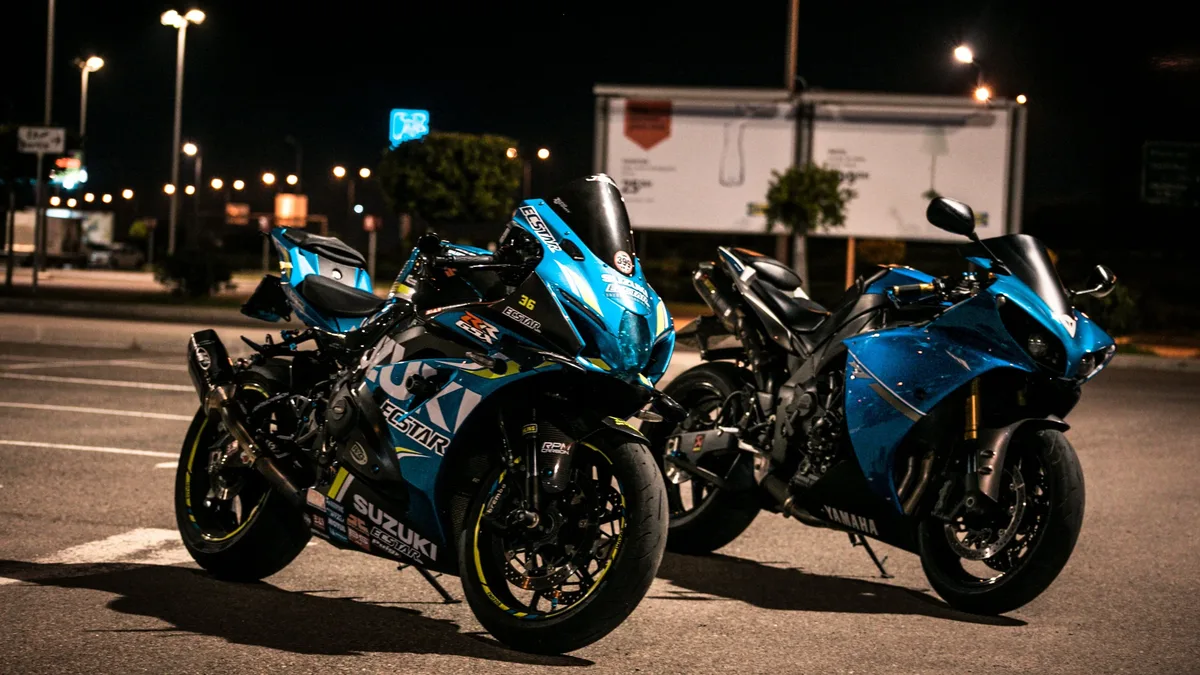
New MotoGP Ladder Could Help British Riders
Triumph's Steve Sargent believes the new MotoGP ladder could help British riders by creating a more logical progression from Moto3 to Moto2 and then...