Moto Guzzi
Origin and history
Moto Guzzi is an Italian motorcycle manufacturer with origins in the early twentieth century. The company was formally established in 1921 on the shores of Lake Como in the town of Mandello del Lario. Its founders were aircraft pilot Giovanni Ravelli, Giorgio Parodi, and mechanic Carlo Guzzi, though Ravelli died before production began. The iconic eagle logo is a tribute to Ravelli's military aviation squadron. The brand is one of the oldest continuously operating European motorcycle manufacturers. Its historical identity is deeply rooted in Italian engineering and a distinct, often unconventional, design philosophy.
What it is designed for
Moto Guzzi motorcycles are designed for riders seeking a distinct character and a mechanical, visceral riding experience over outright performance metrics. The marque is historically associated with durable, longitudinally-mounted V-twin engines that produce substantial low-end torque. This design philosophy lends itself to relaxed, stable touring and sport-touring applications, particularly on paved roads. Many models prioritize rider comfort over long distances with an upright seating position and effective wind protection. The brand's ethos often values mechanical simplicity and distinctive aesthetics, appealing to those who appreciate engineering identity. They are not typically designed as outright sport bikes, dedicated off-road machines, or anonymous transportation.
Development and versions
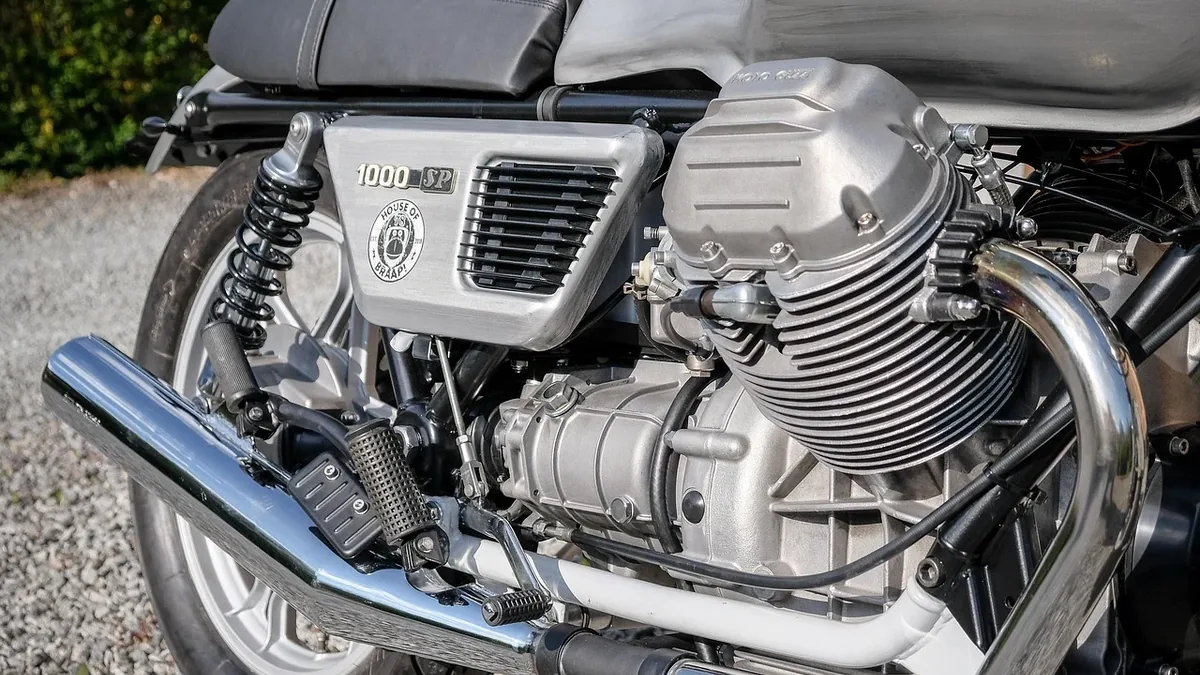
Development has consistently centered on the signature air-cooled, longitudinal 90-degree V-twin engine, though displacement and technology have evolved. Early models were predominantly single-cylinder machines used by both civilians and military forces. The V-twin configuration became dominant in the latter half of the twentieth century, with models like the iconic 850 Le Mans defining the brand's sportier side. In recent decades, the line has expanded to include modern classics like the V7, adventure-touring models like the Stelvio, and powerful touring flagships like the California and MGX-21. Each series typically iterates on the core engine architecture while updating chassis, electronics, and braking components. The introduction of the compact-block V9 and liquid-cooled V85 engines demonstrates adaptation while retaining core identity.
Moto Guzzi price
Moto Guzzi motorcycles occupy a mid-range to premium price segment within the broader motorcycle market. Their pricing is generally positioned above mainstream Japanese competitors but often below equivalent premium European brands. Specific pricing varies significantly by model, displacement, and trim level, with smaller displacement classics like the V7 being more accessible. Larger, more feature-laden touring and adventure models command a correspondingly higher price point. It is a stable fact that new model prices are set by the manufacturer and can vary by region and dealer. Used market values are subject to depreciation but certain iconic models can retain value due to their distinct character and collector interest.
Moto Guzzi specs
Common specifications across many models include an air-cooled, four-stroke, 90-degree V-twin engine mounted longitudinally with the crankshaft aligned with the direction of travel. This configuration creates a distinct torque reaction and a characteristic driveline lash. Many modern models utilize a shaft final drive system, a specification chosen for durability and low maintenance. Engine displacements range from approximately 750cc in the classic V7 line to over 1400cc in large touring models. Chassis specifications typically feature a steel frame, with suspension and braking components sourced from reputable suppliers like Kayaba and Brembo. Electronic specifications now routinely include ride-by-wire throttle, multiple riding modes, and traction control, though the implementation is often described as less complex than rivals.
Best Moto Guzzi
Defining the "best" Moto Guzzi is inherently subjective and depends entirely on the rider's intended use and priorities. For a rider seeking the quintessential modern-classic experience, the V7 series is often cited for its balance of traditional aesthetics, accessible performance, and modern reliability. For long-distance touring with a unique character, the California 1400 models offer substantial torque and comfort. The V85 TT is frequently highlighted as the best for riders wanting a Guzzi-equipped adventure-tourer with genuine off-road capability. Historically, models like the 850 Le Mans Mk I are considered the best for their era, embodying performance and style. The current flagship touring model, regardless of designation, typically represents the best in terms of technology and comfort from the factory. There is no single objective best model, only the most appropriate for a given purpose.
Moto Guzzi reviews
Professional reviews consistently praise Moto Guzzi motorcycles for their unique character, abundant low-end torque, and distinctive styling. Critics often highlight the visceral, mechanical feedback provided by the engine layout and shaft drive as a refreshing alternative to more refined competitors. Reviews frequently note the comfortable, upright ergonomics of touring and standard models suited for all-day riding. Common points of criticism in reviews include vibrations at certain engine speeds, a clunky transmission feel compared to Japanese rivals, and occasional electronic quirks. The chassis and suspension are often described as competent and stable rather than razor-sharp, prioritizing predictable handling over aggressive cornering. Overall, reviews conclude these are motorcycles chosen for emotional connection and riding feel, not for having the highest specification on paper.
Pros and cons
A primary pro is the unique, torque-rich engine character that provides immediate, usable power without high revs, ideal for real-world riding. The shaft drive system is a significant pro for reduced maintenance and cleanliness compared to chain-driven bikes. A major con is the inherent driveline lash and torque reaction from the longitudinal engine, which can feel unrefined and requires a specific riding technique to manage smoothly. Owners often regret a purchase if they were seeking a seamless, vibration-free, or clinically precise riding experience, as Guzzis demand acceptance of their mechanical nature. A common mistake is buying one for its aesthetics without understanding the unique riding dynamics, leading to quick resale. Another con can be a dealer network that is less dense than major Japanese brands, potentially complicating service access.
Who it suits
Moto Guzzi suits experienced riders who value mechanical character and identity over anonymous efficiency and peak performance metrics. It is ideal for touring riders who prioritize a relaxed, stable ride and distinctive presence on long-distance paved roads. The brand suits enthusiasts who enjoy performing basic maintenance themselves and appreciate a relatively simple, accessible engine design. It is a poor fit for riders seeking the highest possible cornering clearance, razor-sharp handling, or a completely vibration-free experience. These motorcycles suit buyers who have owned other brands and are looking for a different, more emotionally engaging riding proposition. They are generally not suited for novice riders, despite manageable power in some models, due to the unique handling traits that require developed riding skill to manage confidently.
Latest Moto Guzzi news
Latest reporting
Moto Guzzi Trip 500 roadster launch targets new riders
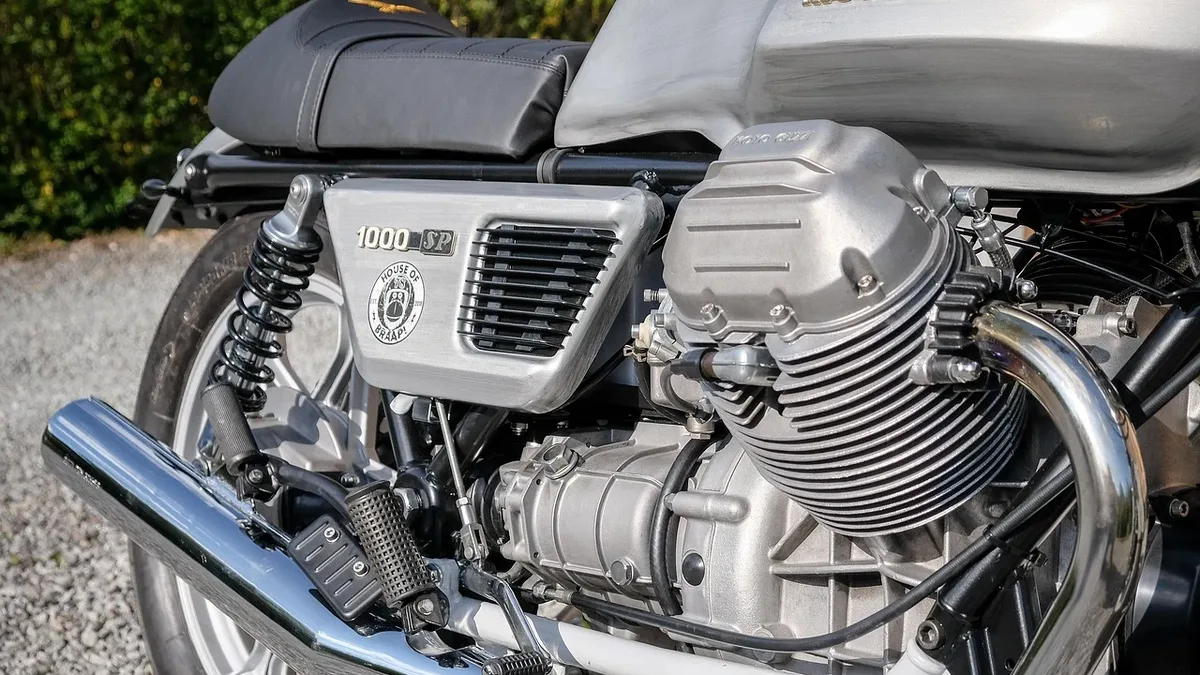
Moto Guzzi will unveil the Trip, a new 500cc parallel-twin roadster, at EICMA in November 2026. The 180 kg bike, available in early 2027, offers...
Moto Guzzi completes €50 million Mandello factory redevelopment
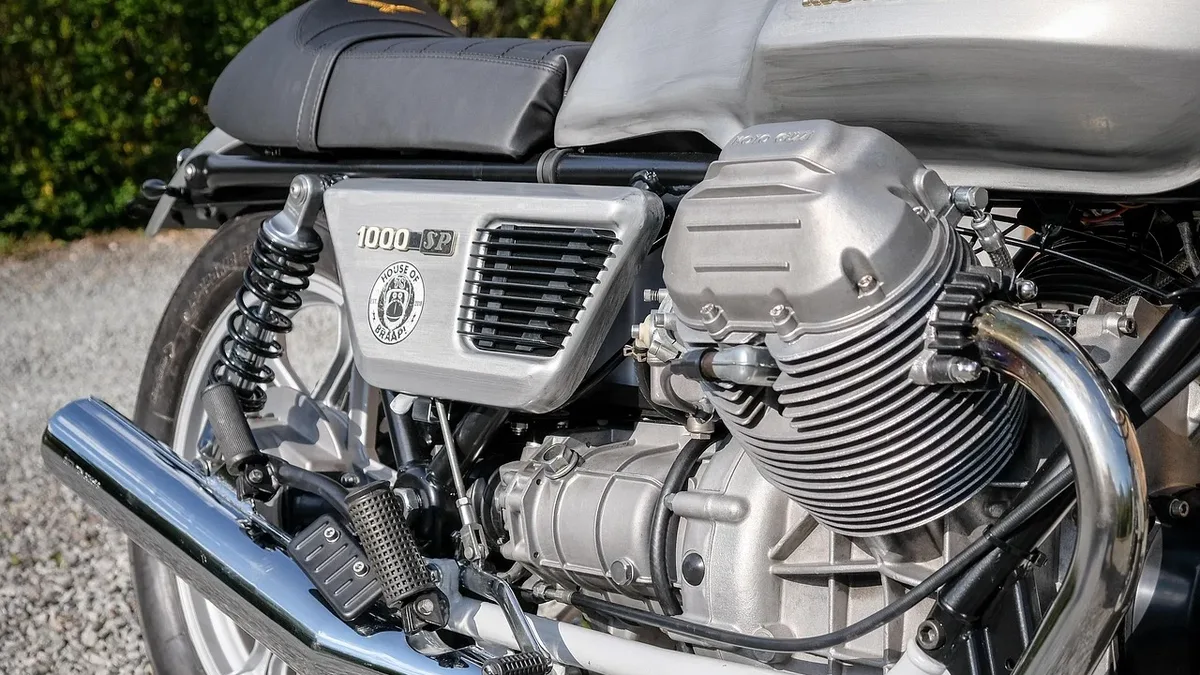
Moto Guzzi has finished a five-year, €50 million-plus redevelopment of its historic Mandello del Lario factory.
World Moto Clash Faces Uncertainty as Funding Issues Arise
The World Moto Clash, a no-rules motorcycle racing event, is now uncertain to take place due to funding issues. The event's CEO, Stanford W. Crane...