Indian Motorcycle
| Manufacturer | Indian Motorcycle Company |
|---|---|
| Country of origin | United States |
| First created | 1901 |
| Original use | Motorcycle transportation |
| Engine configuration | V-twin |
| Drive type | Chain or belt |
| Frame type | Steel cradle |
Origin and history
Indian Motorcycle is an American motorcycle manufacturer with its origins in the early 20th century. The company was founded in Springfield, Massachusetts, in the 1900s, establishing itself as one of the earliest and most significant motorcycle brands in the United States. It quickly gained a reputation for engineering innovation and competitive racing success. The original Indian Motorcycle Manufacturing Company ceased production in the mid-20th century after facing financial difficulties. The brand name and associated trademarks were revived in the late 1990s under new ownership. Today's Indian Motorcycle company is a subsidiary of Polaris Industries, which reintroduced modern models in the 2010s.
What it is designed for
Indian Motorcycle designs are primarily focused on the cruiser and touring motorcycle segments, emphasizing a blend of classic styling and modern performance. The engineering prioritizes low-end torque and a relaxed riding posture suitable for long-distance highway travel. Many models are explicitly crafted for the bagger touring category, integrating hard saddlebags and wind protection as standard equipment. The design philosophy consistently incorporates signature styling cues, such as valanced fenders and the iconic "Indian" script, to evoke its historical lineage. The motorcycles are built to offer a distinct alternative within the American V-twin market, directly competing with Harley-Davidson. Their purpose is to provide a combination of nostalgic aesthetic, contemporary reliability, and comfort-focused touring capability.
Development and versions
The modern revival of Indian Motorcycle under Polaris began with the launch of the Thunder Stroke 111 engine platform in the 2010s. This powertrain debuted in the Chief model family, which includes variants like the Vintage, Classic, and Dark Horse. The Scout model line, introduced later, utilizes a smaller liquid-cooled V-twin engine and targets a different performance and style segment. The touring-focused Roadmaster and Chieftain models offer full-dress amenities with advanced infotainment systems. Subsequent development has seen the introduction of the Challenger model, which features a liquid-cooled PowerPlus engine and a more performance-oriented chassis. The brand has also expanded into the adventure touring segment with the launch of the Indian FTR.
Indian Motorcycle price
Indian Motorcycle models occupy a premium price position within the motorcycle market. Entry-level models, such as the Scout, typically have a starting manufacturer's suggested retail price in the mid-range of the cruiser category. The larger Chief model family generally carries a higher price point, reflecting its larger engine and more classic styling elements. The full-dress touring models, like the Roadmaster, are positioned at the top of the brand's pricing structure due to their extensive features and accessories. It is important for buyers to note that the listed base price rarely includes destination charges, taxes, or dealer preparation fees. Optional equipment, paint schemes, and accessory packages can significantly increase the final cost of any Indian Motorcycle model.
Indian Motorcycle specs
Standard specifications across the model range include a tubular steel frame and a V-twin engine configuration, though displacement and cooling systems vary. The Thunder Stroke 111 engine, used in Chiefs and touring models, is an air-cooled, 1811cc V-twin designed for high torque output at low revolutions per minute. The Scout models employ a liquid-cooled, 60-degree V-twin with displacements of 1133cc or 1253cc, offering a higher revving character. Touring models feature key specifications such as a large fairing with integrated audio systems, cruise control, and electronically adjustable windshields. Braking systems typically include dual front disc brakes with multi-piston calipers, often with ABS as a standard feature. Wheel sizes, seat heights, and wet weights differ substantially between the low-slung Scout and the heavyweight touring platforms.
Overview
Indian Motorcycle represents a specific segment of motorcycling culture, blending historical American motorcycle identity with modern manufacturing and technology. The brand's product line offers a clear progression from mid-size cruisers to full-featured touring machines, all sharing a cohesive design language. Ownership involves engaging with a distinct community and a brand with a deep, albeit discontinuous, heritage. The motorcycles are generally characterized by their substantial visual presence, comfortable ride quality for the rider and passenger, and a focus on low-speed maneuverability given their class. They are complex machines that integrate electronic rider aids, such as multiple riding modes and traction control, alongside traditional mechanical elements. The overall ownership proposition is one of premium comfort, style, and a specific type of V-twin performance.
What to know
Potential owners should be aware that Indian Motorcycles, particularly the larger touring models, have a significant physical weight and size that can be challenging at very low speeds or when parking. Dealer network density and service availability are not as widespread as some competing brands, which can be a consideration for long-distance touring riders. While modern reliability is substantially improved over historical iterations, the complexity of electronic systems and proprietary features means dealership support is often essential for certain repairs. The brand's aesthetic is a core part of its appeal, but this also means customization and accessory costs tend to be premium-priced. Resale value can be strong for well-maintained models, though it is subject to market fluctuations and model-specific demand. Understanding the intended use case is critical, as these are not typically motorcycles designed for aggressive cornering or off-pavement travel.
Common questions
A common question is how Indian Motorcycles compare directly to Harley-Davidson models in terms of performance, comfort, and reliability. Many prospective buyers ask about the real-world fuel economy of the large-displacement V-twin engines, which is generally moderate due to engine design and vehicle weight. People often inquire about the availability and cost of aftermarket parts and customization options compared to the more established Harley-Davidson ecosystem. Questions frequently arise regarding the warranty coverage, standard and extended, offered on new Indian Motorcycle purchases. Another typical area of inquiry is the suitability of various models for taller or shorter riders, given the fixed ergonomics of many cruiser designs. Riders also commonly ask about the load capacity and practicality of the integrated luggage systems on touring models for extended trips.
Pros and cons
A significant pro is the strong, immediate torque delivery from the large V-twin engines, which provides effortless acceleration at highway speeds and in touring scenarios. The fit and finish, including paint quality and chrome work, is generally considered to be high, contributing to a premium feel. A major con is the substantial heat management issue, particularly with the air-cooled Thunder Stroke engines, which can lead to noticeable leg and thigh heat for the rider in slow traffic or hot weather. Owners who prioritize nimble handling or sport-oriented riding often regret their choice, as these motorcycles are heavy and designed for stability, not agility. A common mistake is underestimating the total cost of ownership, which includes expensive proprietary accessories, higher insurance premiums for high-value bikes, and dealership service rates. The infotainment system on touring models, while feature-rich, can suffer from interface lag or connectivity issues that frustrate some users.
Who it suits
The Indian Motorcycle brand best suits riders who prioritize touring comfort, classic American styling, and a relaxed riding posture over outright sport performance. It is an excellent fit for riders who regularly undertake long-distance highway travel and value integrated luggage and wind protection. The typical owner often has an appreciation for motorcycle history and brand heritage, viewing the motorcycle as part of a cultural experience as much as a vehicle. It suits those who have the physical stature and confidence to manage a heavy motorcycle at low speeds and when stationary. This brand is less suitable for new or inexperienced riders due to the power and weight of most models, with the possible exception of the Scout. It also does not suit riders seeking a lightweight, flickable machine for canyon carving or those with minimal access to a dedicated dealership for maintenance.
Latest Indian Motorcycle news
Latest reporting
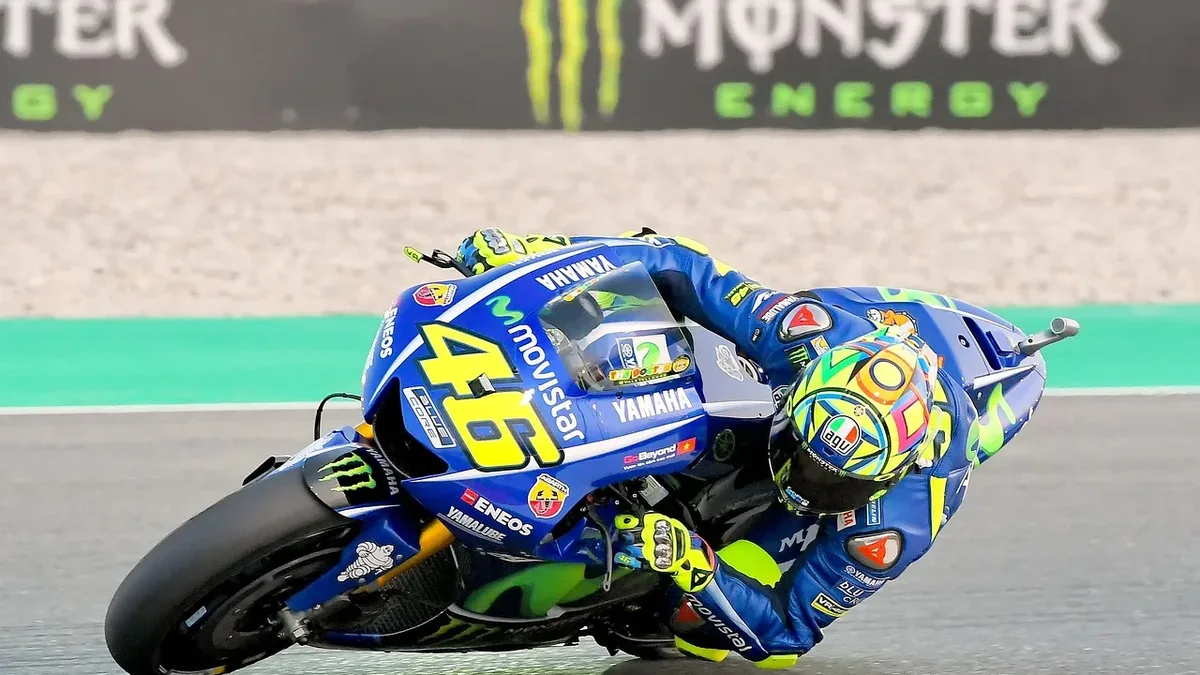
Motorcycle Events October 2026 Greymouth Baja International
A packed October 2026 motorcycle racing calendar includes the 37th Greymouth Street Race and events across Europe and the Americas, with several...
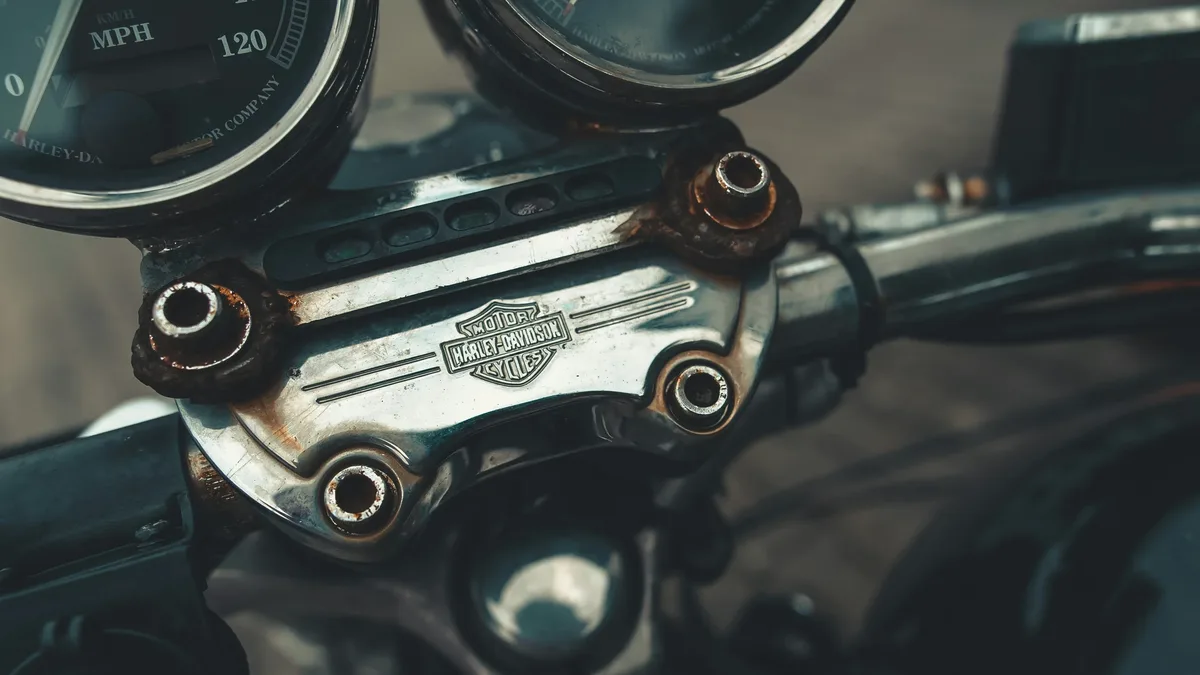
Harley-Davidson Canada sales hit by 50% U.S. Motorcycle
A 50% Canadian tariff on U.S.-built motorcycles over 800cc, in effect since September 2025, is pressuring Harley-Davidson sales and dealer profits.
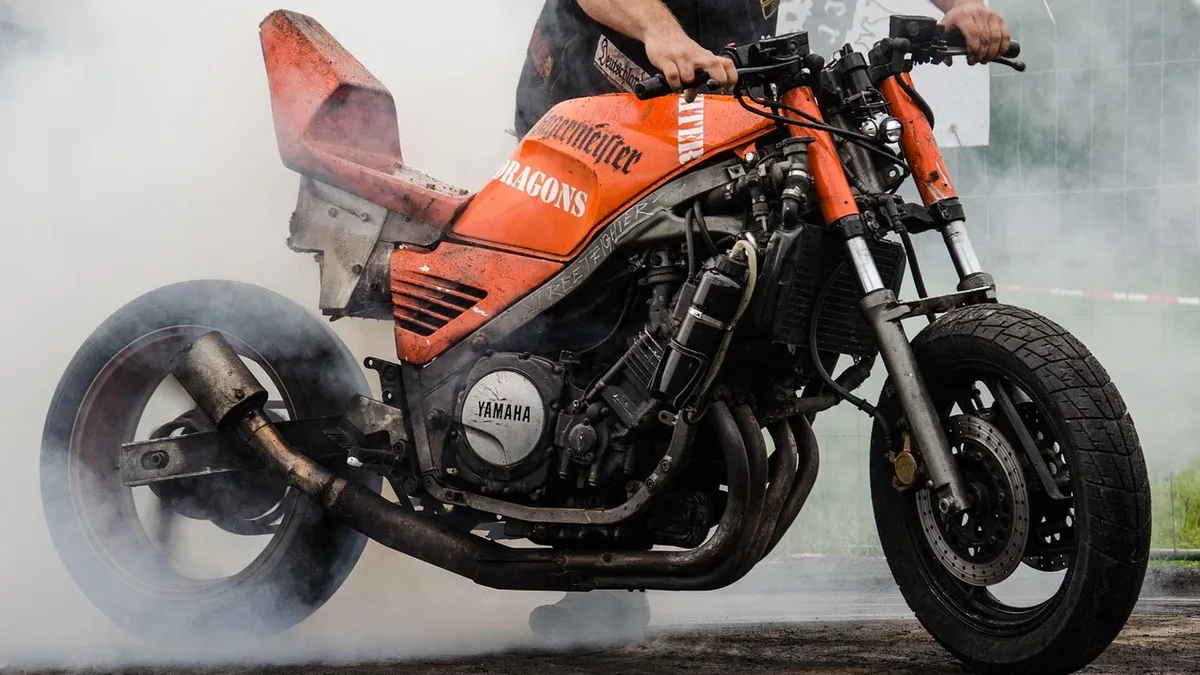
UK Government proposes new motorcycle
The UK Department for Transport wants to extend emissions regulations to motorcycles but admits it lacks specific evidence to justify the change...
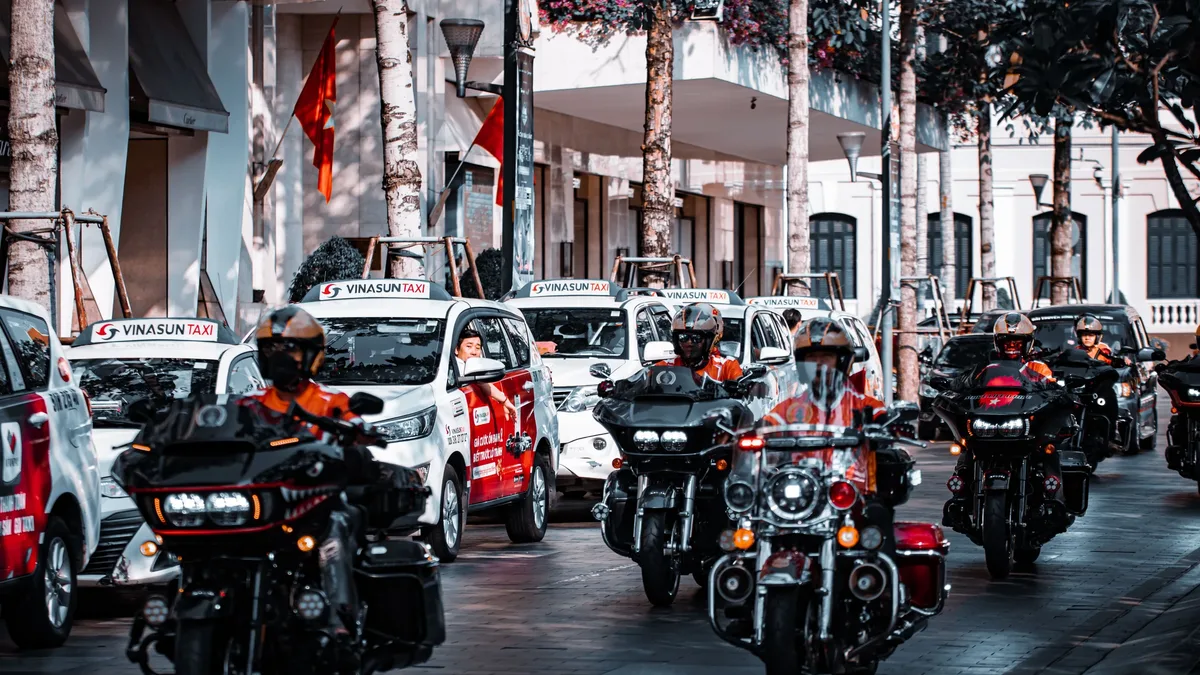
Motorcycling bodies launch ten-point plan to tackle theft
The National Motorcyclists Council has launched a ten-point plan to combat motorcycle theft and related anti-social behaviour, aiming to coordinate...
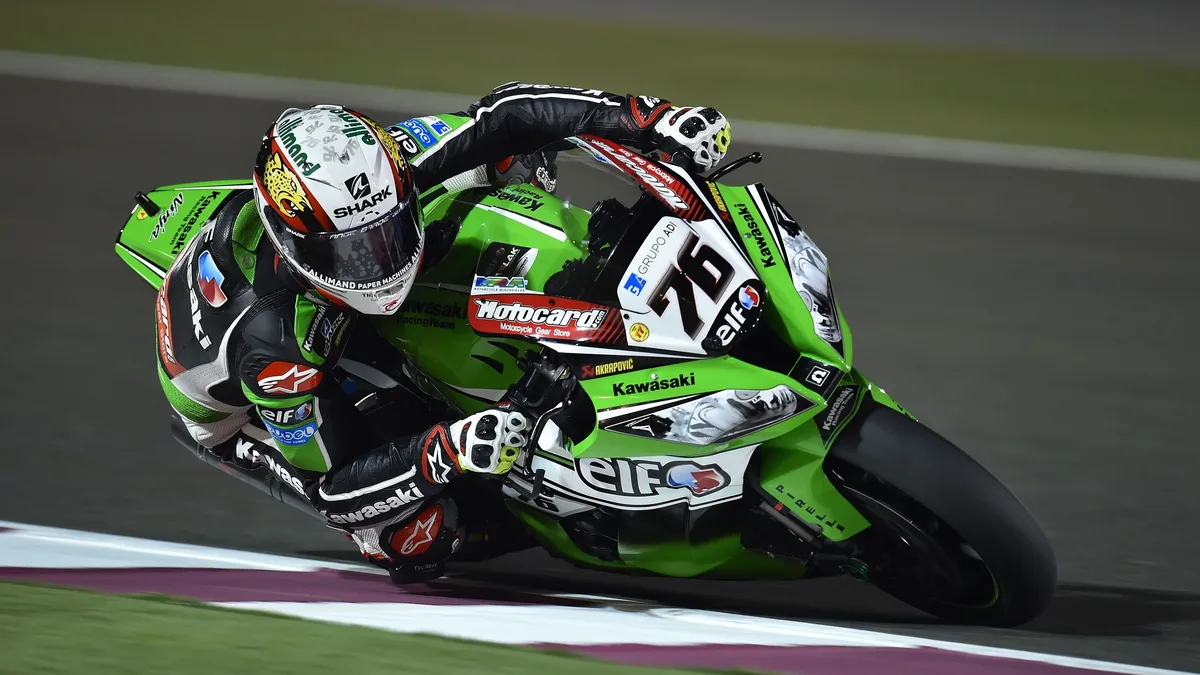
Kawasaki UK Announces New Motorcycle Offers and Promotions
Kawasaki UK has launched a series of new rider promotions and finance offers across its 2025 and 2026 model ranges, including track day packages...
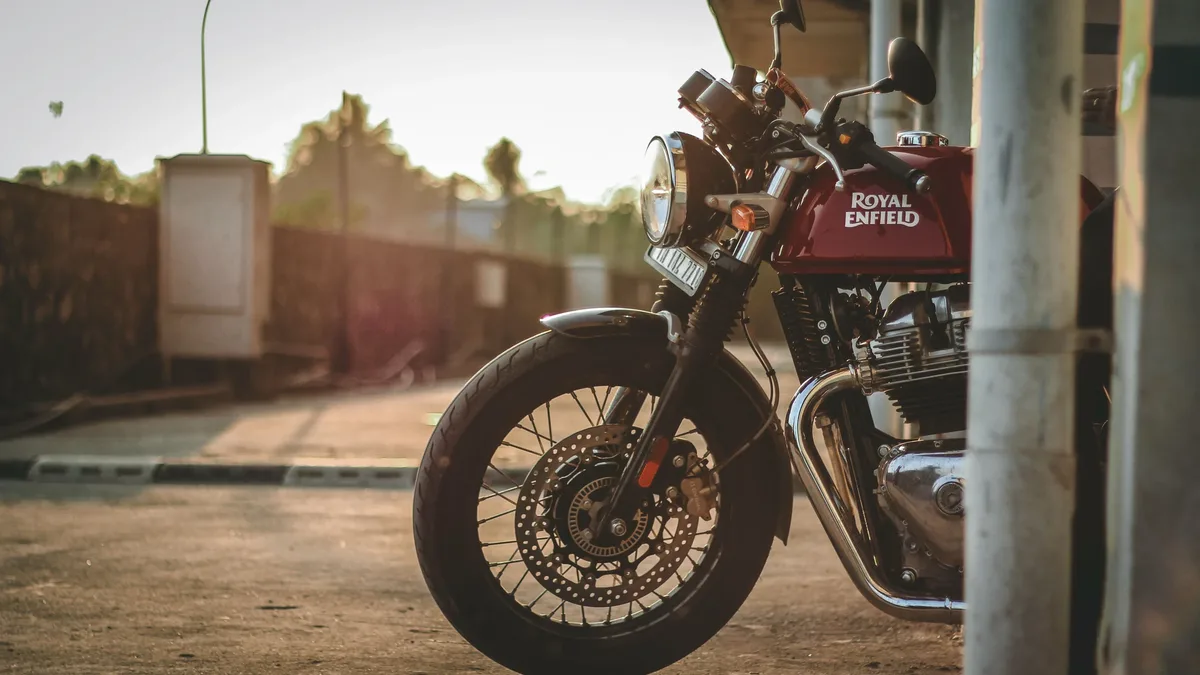
Royal Enfield Launches Electric Flying Flea C6 in Europe
Royal Enfield has launched its first electric motorcycle, the Flying Flea C6, in five European cities including London.