
Ducati
| Manufacturer | Ducati Motor Holding S.p.A. |
|---|---|
| Country of origin | Italy |
| Original use | Motorcycle manufacturing |
| First created | 1926 |
| Engine configuration | L-twin (90-degree V-twin) |
| Drive type | Chain final drive |
| Frame material | Steel trellis (characteristic type) |
| Brake system | Brembo (characteristic supplier) |
Origin and history
Ducati originates from Bologna, Italy, with its foundation as a manufacturer of radio components in the 1920s. The company's transition to motorcycle production began after the Second World War, with the introduction of a small engine mounted on a bicycle frame. The defining moment for the modern Ducati motorcycle brand occurred in the early 1970s with the release of the 750 GT, establishing its reputation in high-performance motorcycling. This era introduced the desmodromic valve system, a signature engineering feature that remains central to Ducati's identity. The company's racing heritage, particularly in World Superbike competition, has been fundamentally intertwined with the development of its road-going machines. Ownership has shifted over the decades, including a period under American control before becoming a key subsidiary of the Volkswagen Group's Audi division in the 2010s.
What it is designed for
Ducati motorcycles are designed primarily for high-performance road riding and track-oriented use, emphasizing precise handling and potent acceleration. The core engineering philosophy prioritizes a specific type of athleticism, often favoring stable, predictable cornering manners and strong top-end power. Models are distinctly segmented for different performance niches, from naked streetfighters to dedicated sport-touring and adventure motorcycles. Even within these segments, a focus on sporty dynamics and visceral feedback through the chassis and controls is a consistent priority. The design intentionally delivers a more engaged, physically demanding riding experience compared to many competitors, requiring active rider participation. This results in machines that excel on winding roads and circuits where their chassis precision and powerful engines can be fully utilized.
Development and versions
Development has consistently revolved around refining the L-twin engine configuration and the trellis frame, though both have seen significant evolution in materials and electronics. Major model families like the Monster, launched in the early 1990s, created the modern naked bike category and have progressed through multiple generations of increased power and sophistication. The Panigale series, introduced in the 2010s, represents the current pinnacle of Ducati's sportbike lineage, moving from a traditional trellis frame to a monocoque chassis using the engine as a stressed member. Parallel development streams have produced successful adventure models like the Multistrada and cruiser-style motorcycles like the Diavel, each applying Ducati's performance ethos to a new format. Each model typically sees iterative updates on a multi-year cycle, with special "R," "S," and "SP" versions offering higher-specification components and more focused performance.
Ducati price
Ducati motorcycles occupy a premium price position within the motorcycle market, reflecting their performance components, technology, and brand positioning. Entry-level models command a significant price premium over comparable Japanese alternatives, with costs escalating sharply for higher-specification variants and limited editions. The pricing structure is tiered, where a base model provides the core experience, while successive "S" and "SP" models add advanced electronics and higher-quality suspension and brakes at a substantial increase. Ownership costs extend beyond the initial purchase, with scheduled maintenance intervals often being shorter and more labor-intensive than some competitors. Insurance premiums are typically higher due to the performance classification and repair costs for specialized components. Resale values can be strong for desirable models and special editions but may depreciate more steeply for base models as new generations are released.
Ducati specs
Specifications are dominated by the liquid-cooled, four-valve-per-cylinder desmodromic L-twin engine, with displacements ranging from approximately 800cc to over 1200cc in production models. Power outputs are consistently high for the engine displacement, with specific figures varying by model and state of tune, often exceeding 150 horsepower in larger sport models. Chassis specifications commonly include a steel trellis frame or aluminum monocoque on sport models, paired with fully adjustable inverted front forks and a monoshock rear suspension. Braking systems are almost exclusively Brembo, with radial-mount calipers and dual front discs being standard on performance models. Wheel and tire sizes are model-specific, with sport bikes using wide rear tires for traction and adventure models employing larger-diameter spoked wheels. Electronic rider aids, including multiple riding modes, cornering-sensitive traction control, wheelie control, and electronic suspension, are now prevalent across the range.
Overview
A Ducati motorcycle is best understood as a cohesive integration of a specific engine architecture with a chassis designed for precise feedback and high cornering loads. The auditory and tactile character of the L-twin engine, with its distinct firing order and mechanical sound, is a fundamental part of the ownership experience. The riding position across most models is committed, placing the rider in an engaged posture that facilitates control during aggressive riding. Build quality and finish are generally high, with extensive use of aluminum and other premium materials, though some cosmetic components may be delicate. The extensive suite of electronic controls is now integral to managing the substantial performance, allowing the motorcycle's character to be tailored to different conditions. Overall, the package delivers a distinct, sensory-rich form of motorcycling that prioritizes handling precision and engine character over outright comfort or low-cost operation.
What to know
Ownership requires an acceptance of higher operational costs, including more frequent valve clearance checks due to the desmodromic valve system, which is a specialized procedure. The engines and exhausts generate significant heat, which can be uncomfortable in urban riding or high ambient temperatures, a trade-off for their performance. While reliability has improved markedly in recent decades, complex electronics and proprietary systems mean dealership support is more critical than for some brands. The specific riding ergonomics and aggressive throttle response can be intimidating for newer riders, making most models unsuitable as a first motorcycle. Aftermarket support is extensive, but modifications, particularly to electronics and exhaust systems, can be complex and may affect warranty coverage. Understanding the model hierarchy and the specific purpose of each variant is key, as the differences between a base model and an "S" model are often substantial in both capability and cost.
Common questions
The most frequent question concerns the desmodromic valve system, which uses mechanical closure instead of springs to allow for higher engine revolutions and precise valve control. Riders often ask about the suitability of various models for long-distance touring, with the answer being highly model-dependent, though even touring-oriented Ducatis retain a sporty bias. Questions regarding reliability are common, with modern examples being robust when maintained according to the strict service schedule, though older models had more documented issues. Potential buyers frequently inquire about the real-world fuel economy, which is generally low compared to inline-four cylinder motorcycles due to engine design and tuning priorities. Many ask about the difference between the Scrambler line and the rest of the Ducati range, with Scramblers being positioned as more accessible, lifestyle-oriented machines with simpler mechanics. There is also consistent interest in the level of skill required to ride a Ducati effectively, with the consensus being that intermediate to advanced riders will best exploit their capabilities.
Pros and cons
Pros include exceptional chassis feedback and cornering stability that provides immense rider confidence when riding at pace on suitable roads. The powerful, characterful engines deliver strong torque and a thrilling, visceral experience that is distinct from other motorcycle configurations. Build quality and aesthetic design are consistently high, with a premium feel and attention to detail that justifies part of the price premium. The extensive and sophisticated electronics package allows for remarkable control and customization of the motorcycle's behavior across different conditions. Cons involve the high cost of ownership, including purchase price, insurance, maintenance, and potential repair bills for proprietary components. The common mistake is buyers underestimating the physical and financial demands of ownership, leading to regret when faced with service costs or discomfort on long rides. Some riders find the power delivery and throttle response to be abrupt at low speeds, and the significant engine heat can be a genuine nuisance in traffic or hot weather.
Who it suits
Ducati motorcycles suit experienced riders who prioritize handling precision, engine character, and a fully engaged riding experience over comfort or low-cost transportation. They are ideal for enthusiasts who have the mechanical sympathy and budget to adhere to the required maintenance schedule without financial strain. The typical owner enjoys technical sophistication and appreciates the integration of advanced electronics with a fundamentally mechanical, feedback-rich chassis. These motorcycles are well-matched to riders who frequently ride on winding roads or occasional track days, where their performance advantages are most apparent. They are less suitable for new riders, those seeking a low-maintenance commuting appliance, or riders whose primary goal is long-distance, comfort-focused touring without a sporting bias. Ultimately, they cater to a rider who views the motorcycle as a performance instrument and is willing to accept its compromises to access its unique rewards.
Latest Ducati news
Latest reporting
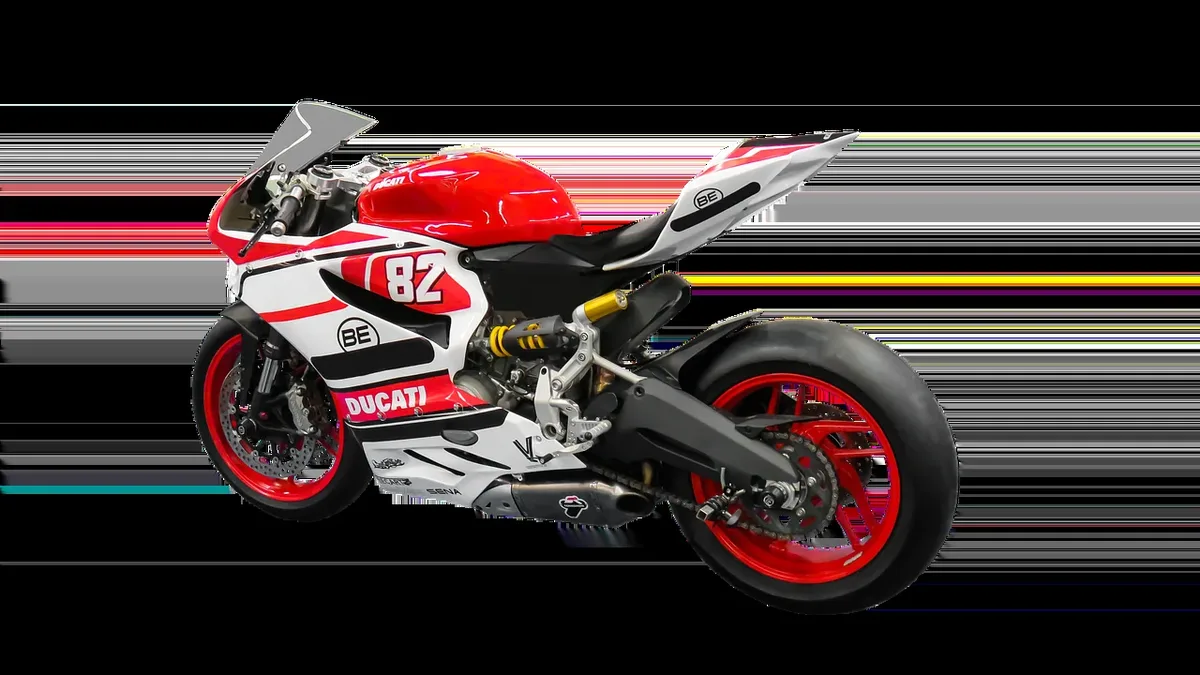
Pedro Acosta's Ducati move driven by personal Marquez
Pedro Acosta will join the factory Ducati team for 2025, leaving KTM to pursue a direct challenge against Marc Marquez on equal machinery, a move both
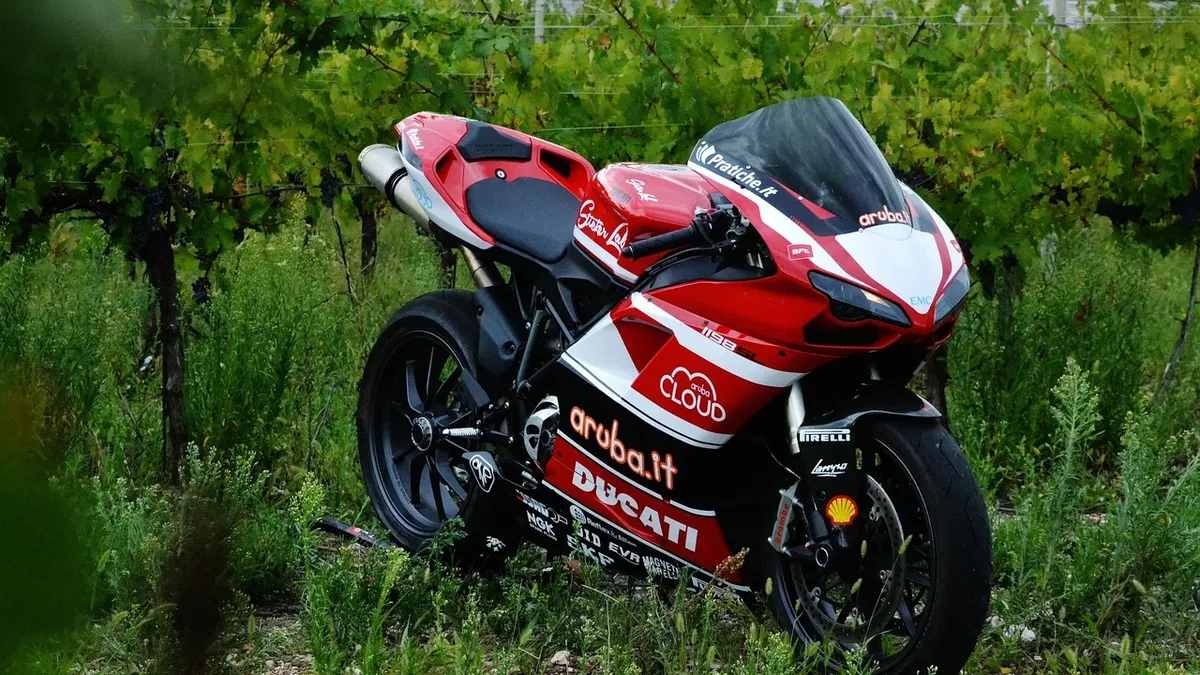
Marc Marquez Credits Ducati and Team as Key 2026 Title
Marc Marquez says his Ducati bike and Gresini Racing team are his primary strengths for the 2026 MotoGP title fight, despite a 12-point deficit and a
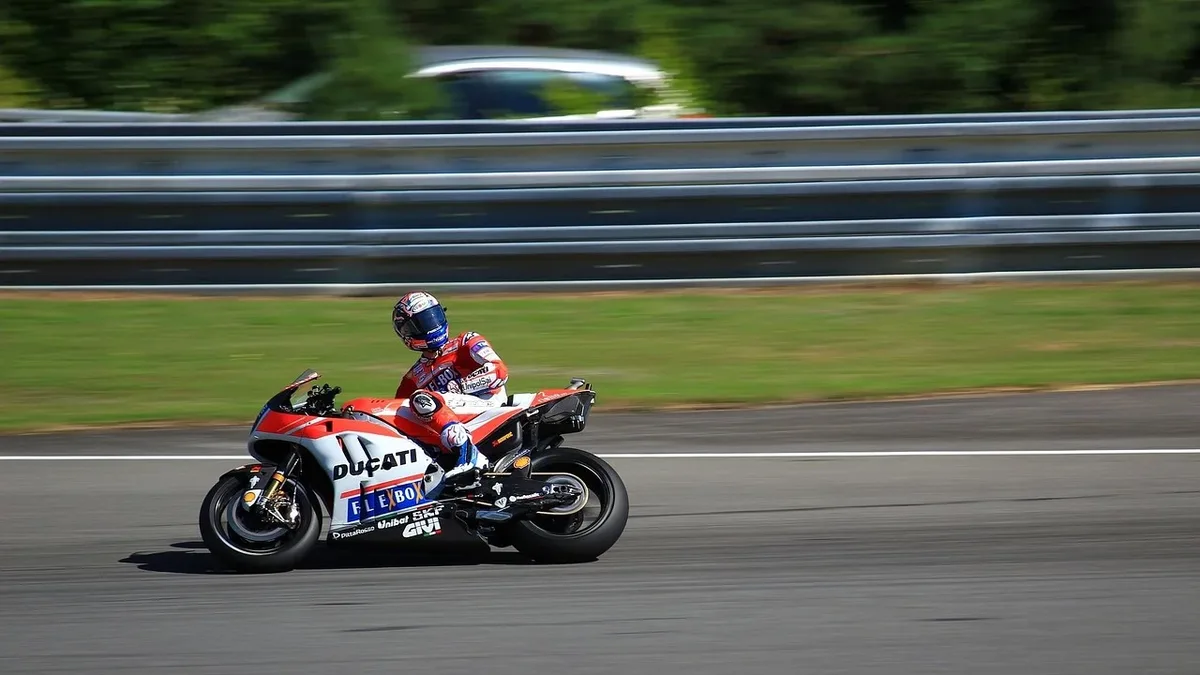
Ducati faces KTM challenge at Austrian MotoGP
Ducati riders, led by Fermin Aldeguer, show competitive race pace on a special Michelin tyre at the Austrian Grand Prix, but face a formidable...
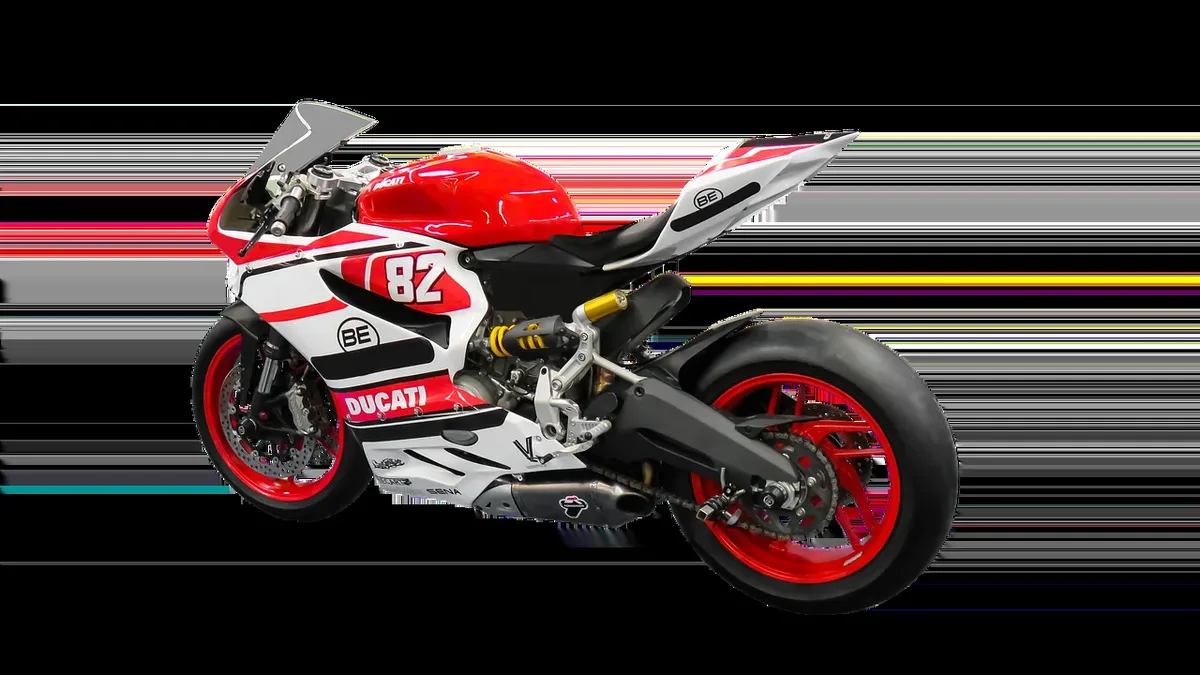
Ducati Desmo450 SM Supermoto Revealed for December
Ducati has launched its first supermoto race bike, the Desmo450 SM, with a price of £12,095. The non-road-legal machine features a 63.5 hp...
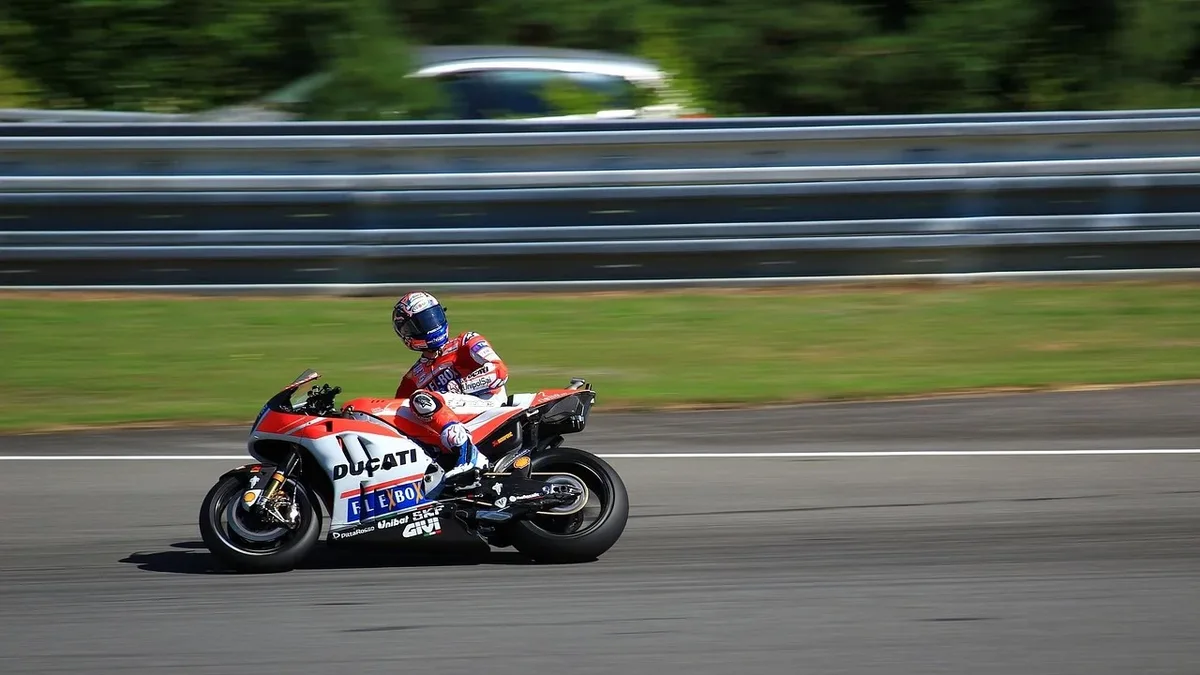
Di Giannantonio says Marquez form disproves
VR46 rider Fabio Di Giannantonio rejects the idea that MotoGP's 2026 title fight is dictated by circuits favouring either Ducati or Aprilia, arguing...
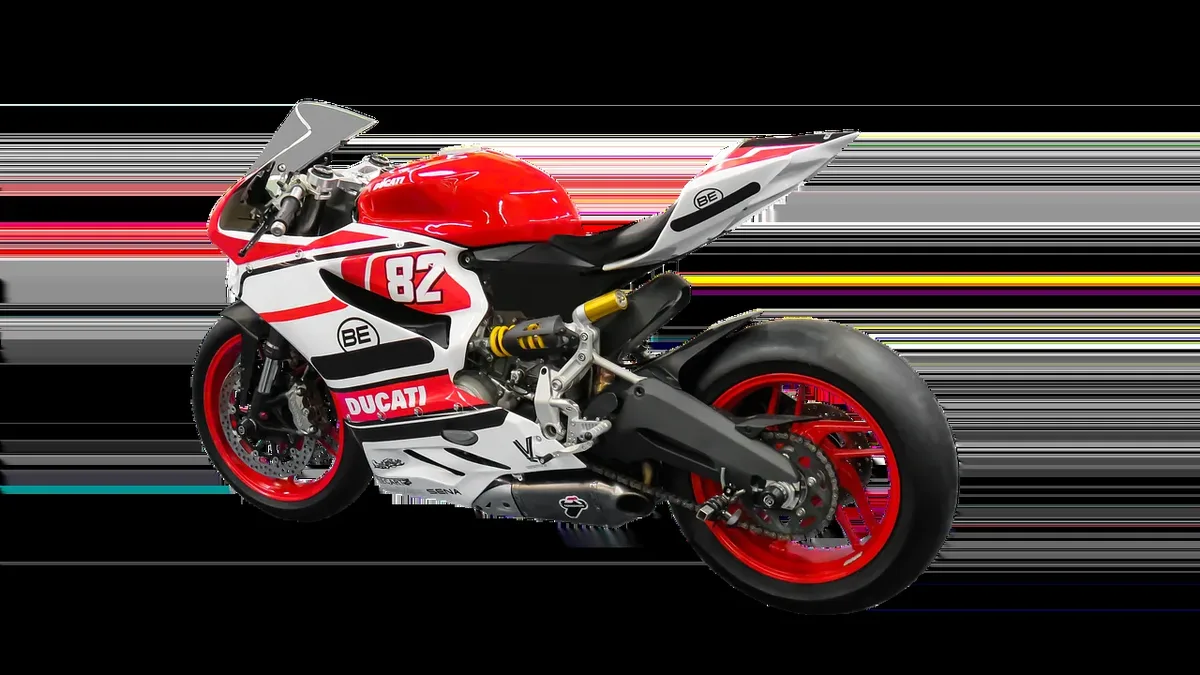
Carl Fogarty launches Pocher's Ducati Panigale V2 model kits
Four-time World Superbike champion Carl Fogarty has partnered with model maker Pocher to launch two new 1:4-scale Ducati kits: a Panigale V2...