Maverick Vinales
| Full name | Maverick Viñales |
|---|---|
| Country of origin | Spain |
| First created | 1995 |
| Original use | Motorcycle road racing |
| Current racing category | MotoGP |
| Racing number | 12 |
| Primary riding style | Smooth, high-corner-speed |
Origin and history
Maverick Viñales is a professional motorcycle road racer from Spain. He was born in the early 1990s in Figueres, Catalonia. His career began in national and European minibike championships as a child, following a path common to many modern MotoGP riders. He entered the world championship scene in the 2010s, progressing through the Moto3 and Moto2 classes. Viñales earned a reputation as a prodigious talent by winning the Moto3 world championship in his rookie season in the early 2010s. His rapid ascent through the ranks secured him a premier class MotoGP ride by the middle of that decade, marking his arrival among the sport's elite.
What it is designed for
Maverick Viñales is a riding style and approach designed for supreme one-lap speed and aggressive corner entry. His technique is engineered to exploit the maximum mechanical grip of a modern MotoGP bike during the initial phase of cornering. This style focuses on hard, late braking combined with a rapid turn-in, aiming to position the bike for early acceleration on exit. It is designed to be spectacular and effective on circuits with a high number of stop-start corners and short straights. The approach relies heavily on a rider's innate feel for the front tire and a willingness to push its adhesion limits. Consequently, it is designed to deliver pole positions and lead from the front, rather than a methodical race-long management strategy.
Development and versions
The initial version of Viñales's racing craft was developed aboard naturally aspirated, lower-horsepower Moto3 and Moto2 machines, where his aggressive corner entry was a decisive advantage. His first major evolution came with the transition to the vastly more powerful and physically demanding MotoGP prototypes in the mid-2010s. A significant development phase occurred during his tenure with Yamaha, where his style had to be adapted to suit the chassis-centric, corner-speed-oriented YZR-M1. This period involved refining his braking technique to better preserve the front tire over race distance, a noted challenge. The latest version of his approach has been further developed at Aprilia, requiring adaptation to a bike with different power delivery and electronics philosophies. This ongoing development underscores the continuous calibration required between a fixed riding instinct and ever-changing prototype machinery.
Pros and cons
A primary pro of Viñales's style is its unmatched potential for securing grid position, giving a critical advantage at the start of a sprint or race. When the bike setup and tire condition align perfectly with his technique, he can display devastating speed that is difficult for rivals to match. A significant con is the high degree of sensitivity to bike balance and front tire feeling; a slight mismatch can lead to a rapid loss of confidence and pace. This approach can sometimes lead to high tire degradation over a full race distance, forcing him to manage a fading front end. Riders or teams who cannot provide a perfectly balanced front-end feel or who prioritize conservative race management often regret committing to this style. The common mistake is attempting to force this aggressive methodology on a bike or tire that fundamentally requires a smoother, more gradual input, leading to crashes or a sharp decline in performance.
Who it suits
This riding style suits a rider with an exceptional natural feel for front-end traction and a high tolerance for risk, particularly under braking. It is ideal for a racer whose mental approach is galvanized by the pressure of single-lap qualifying rather than the protracted calculation of a grand prix. It suits teams that can provide extremely precise and consistent bike setup, particularly in front suspension geometry and brake feedback, to meet the rider's sensitive demands. This approach is less suited to riders who excel at patient, strategic racecraft or who prefer a methodical, corner-speed-oriented technique. It is a natural fit for circuits with tight, technical layouts where aggressive corner entry can create decisive overtaking opportunities or defend a position. Ultimately, it suits a rider who is psychologically resilient, able to reset completely after a difficult session or a crash caused by pushing the absolute limit.
Latest Maverick Vinales news
Latest reporting
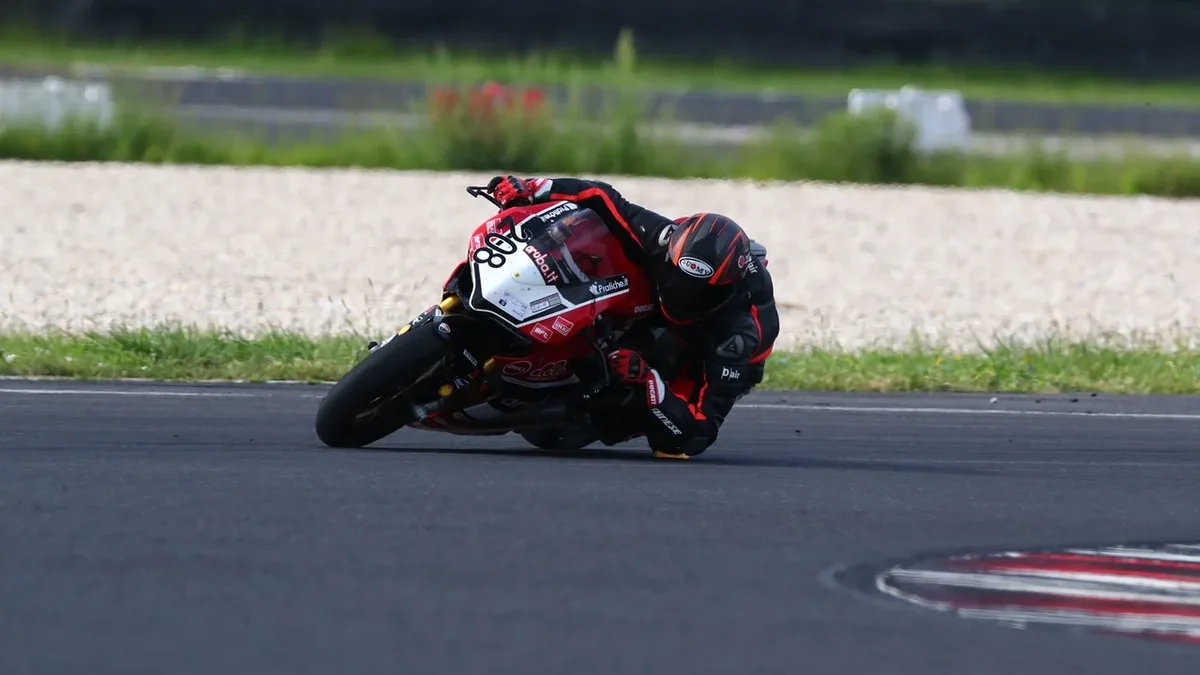
Maverick Vinales' season in doubt over shoulder injury
Maverick Vinales faces an uncertain end to his MotoGP season due to a persistent left shoulder injury. The Tech3 KTM rider will undergo scans this...
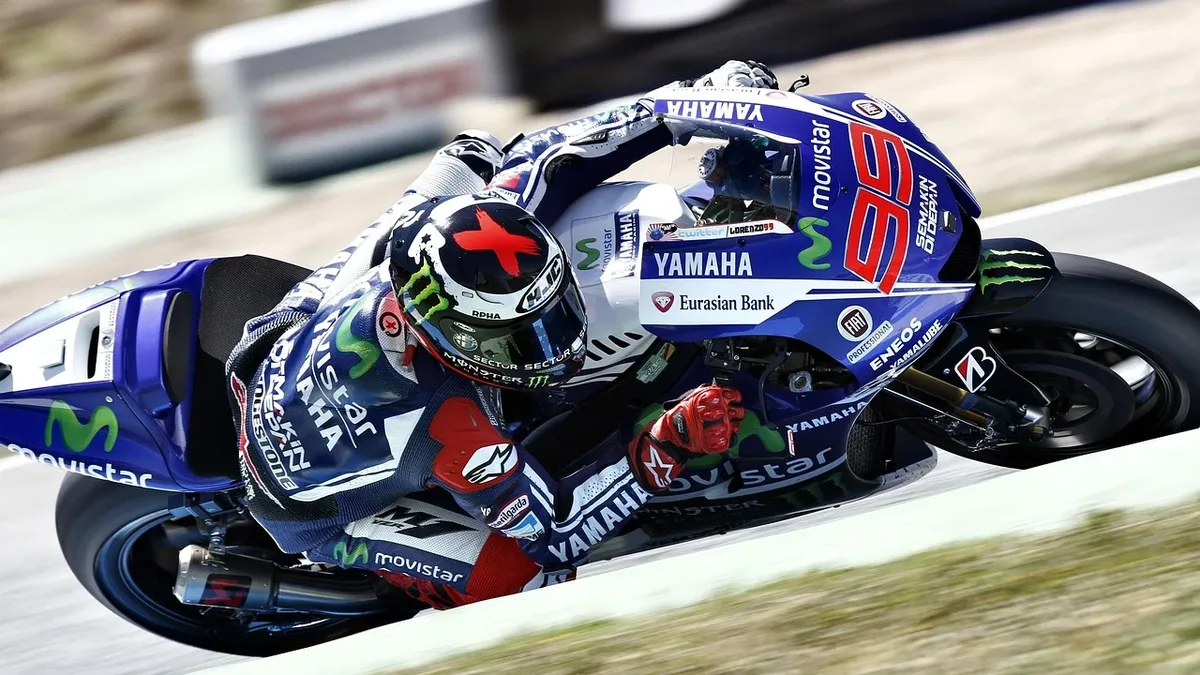
Maverick Vinales Returns from Injury at Japanese Grand Prix
Maverick Vinales will make his MotoGP comeback at the Japanese Grand Prix this weekend after a six-month layoff due to a shoulder injury.
Pol Espargaro Replaces Vinales Again for San Marino MotoGP
Pol Espargaro will ride for Tech3 KTM at the San Marino Grand Prix, replacing the injured Maverick Vinales for a third consecutive race.