Francesco Bagnaia
| Full name | Francesco Bagnaia |
|---|---|
| Country of origin | Italy |
| First created | 1997 |
| Original use | Motorcycle road racing |
| Racing number | 63 |
| Current racing class | MotoGP |
| Current team | Ducati Lenovo Team |
| Current bike | Ducati Desmosedici GP |
Origin and history
Francesco Bagnaia is an Italian motorcycle road racer, originating from Turin in the Piedmont region of Italy. His career in professional motorcycle racing began in the early 2010s, following a trajectory common to many top riders through the European junior championships. He entered the world championship scene in the Moto3 class in the 2010s, marking his debut at the highest level of the sport. His early career was defined by a methodical progression through the ranks, building a foundation in the smaller displacement classes before moving to Moto2. This developmental path provided him with extensive experience in racecraft and machine management across different types of Grand Prix machinery. His historical significance is firmly tied to his rise within the Ducati Corse factory team structure in the premier class during the late 2010s and early 2020s.
What it is designed for
Francesco Bagnaia's racing discipline is designed for competing in the FIM MotoGP World Championship, the pinnacle of motorcycle road racing. His craft is specifically engineered for mastering the technical demands of modern prototype racing motorcycles, which feature extreme power outputs, advanced electronics, and carbon composite materials. The role requires optimizing machine performance across varying track conditions, tire compounds, and fuel loads throughout a race distance. It is designed for executing precise overtaking maneuvers at speeds exceeding 350 kilometers per hour, while managing physical and mental endurance over a full race weekend. A key design aspect is the symbiotic relationship with engineers to develop motorcycle setup, focusing on balancing outright speed with consistent lap times. Furthermore, it is crafted for withstanding the intense pressure of a world championship fight, where strategic point scoring often supersedes winning every individual race.
Development and versions
Bagnaia's development as a racer saw distinct versions corresponding to his progression through MotoGP's feeder classes and factory machinery. His initial version was as a Moto3 rider, learning race strategy on lower-powered, agility-focused machines where slipstreaming is critical. The evolution to the Moto2 category represented a significant version change, requiring adaptation to a heavier, more powerful four-stroke machine where throttle control and braking stability became paramount. His premier class development began with a rookie season on a satellite Ducati, serving as a proving ground for his adaptation to MotoGP power. The definitive version emerged upon his promotion to the factory Ducati Lenovo Team, where he gained access to the most developed iteration of the Desmosedici GP bike and full factory support. This development arc culminated in a riding style version optimized for the Ducati's strengths: late braking, hard acceleration, and exploiting advanced aerodynamics and ride-height devices.
Pros and cons
A primary pro of Bagnaia's racing approach is his exceptional ability to manage tire wear over race distance, often preserving rear grip better than rivals to attack in the final laps. His smooth, calculated riding style minimizes sudden losses of traction, which contributes to both tire conservation and a lower crash rate in dry conditions. A significant con, however, has been a historical tendency towards inconsistent qualifying performances, sometimes placing him in the middle of the pack and forcing energy-intensive recovery rides. This can expose him to greater risk in the chaotic opening laps of a race. Another pro is his technical feedback and capacity to work within Ducati's systematic development process, making him an effective test rider for evolutions. A common mistake or regret for those emulating his style without his level of factory support is underestimating the machine dependency; his fluid technique is less effective on motorcycles with less stable rear traction or inferior electronics, which can lead to frustration.
Who it suits
This racing profile suits a rider who is analytically minded and thrives within a highly structured, data-driven factory team environment. It is ideal for those who prefer a methodical, long-game approach to a championship over relentless all-out aggression in every session. The style suits physically taller riders who can leverage their body position to manage the weight of a modern MotoGP bike, particularly under braking. It is less suited to riders who rely on raw instinct over pre-race planning or who require an emotionally charged atmosphere to perform. This profile fits competitors who possess the mental resilience to overcome setbacks, such as a poor qualifying result, without compromising their race strategy. Ultimately, it is a model for a complete modern racer who integrates technical feedback, physical conditioning, and strategic acumen into a unified package.
Latest Francesco Bagnaia news
Latest reporting
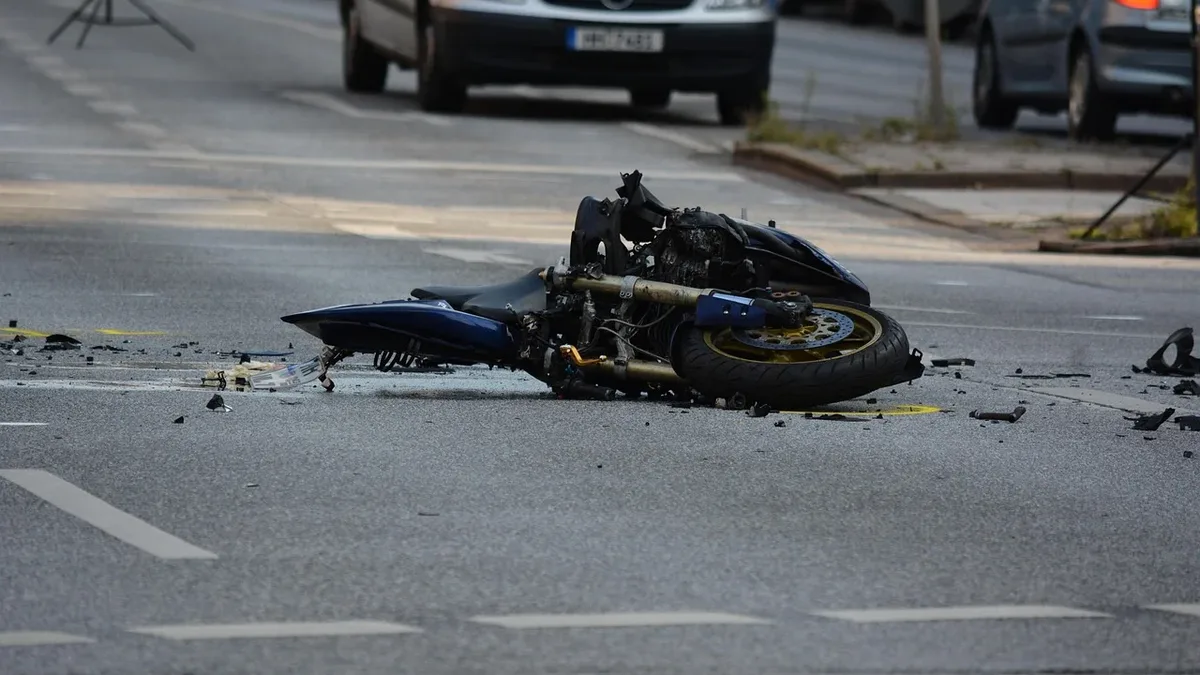
Bagnaia's Qatar injury reshapes MotoGP championship fight
Francesco Bagnaia suffered a foot fracture in Qatar, sidelining him as rider dissent over regional safety and Yamaha's withdrawal exposed deep...
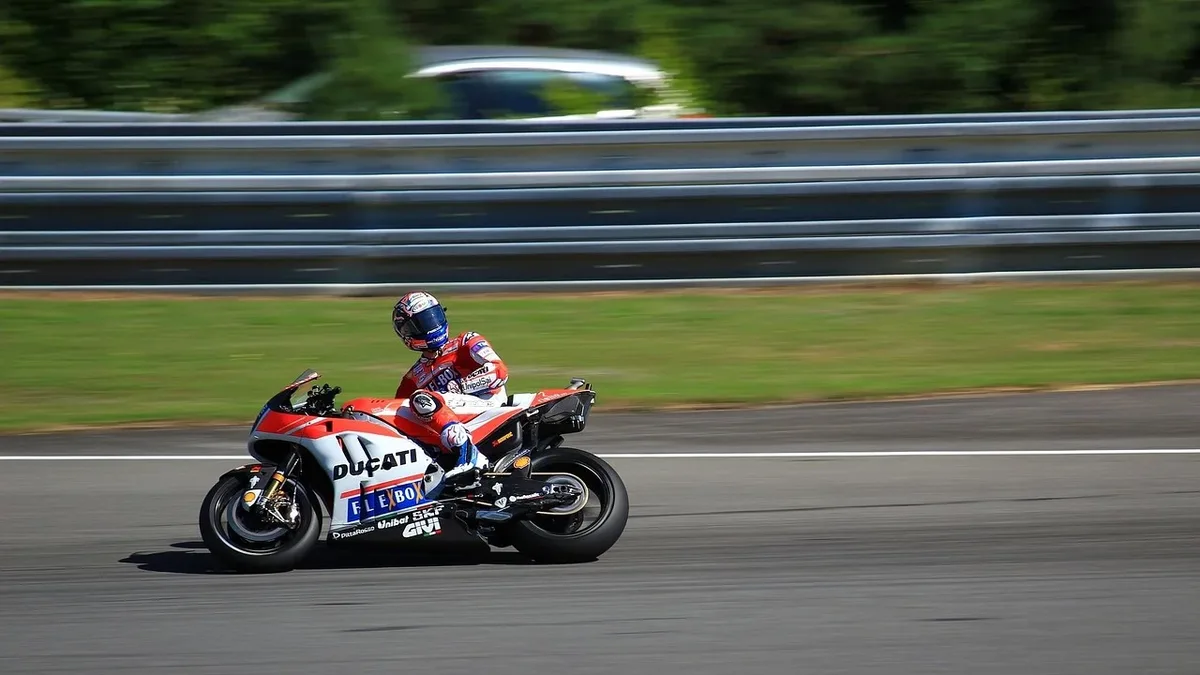
Ducati's Bagnaia Undergoes Surgery After Qatar Sprint Crash
Francesco Bagnaia has undergone successful surgery for multiple fractures in his right foot following a season-ending crash in the Qatar MotoGP...
Aldeguer's Qatar Sprint Move Breaks Bagnaia's Foot
Fermin Aldeguer collided with Francesco Bagnaia during the Qatar sprint, causing Bagnaia to crash and suffer a fractured foot.
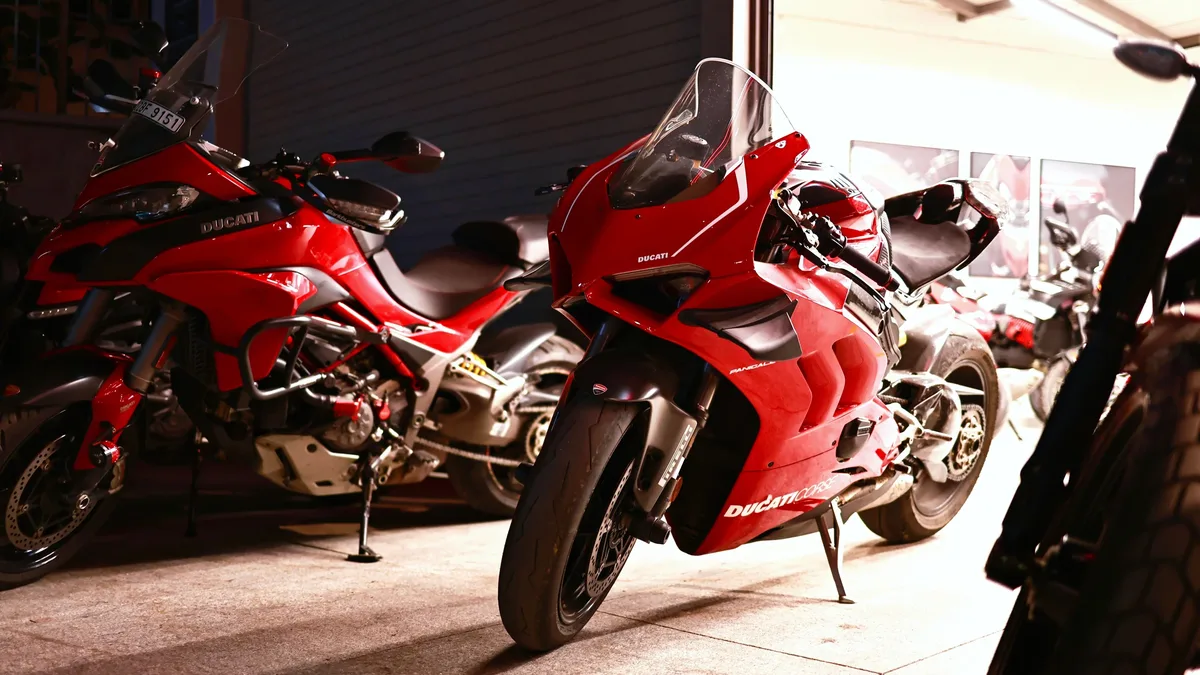
Bagnaia Feels Like a Factory Rider Again in Qatar Practice
Ducati's Francesco Bagnaia regained the feeling of being a factory rider with a strong Friday at the Qatar MotoGP, securing direct entry to Q2 for...
Marc Marquez Tops Friday Practice at Losail Despite Chain Failure
Marc Marquez led Friday practice at the Qatar MotoGP, overcoming a mid-session chain failure. Fabio Di Giannantonio set a new lap record and finished...
MotoGP Riders Address Qatar GP Concerns and Logistical Challenges
MotoGP riders arrived in Doha for the Qatar Grand Prix amid initial safety concerns and a reduced grid, with key figures like Francesco Bagnaia and...