Austria
| Capital | Vienna |
|---|---|
| Official language | German |
| Currency | Euro |
| Population | Approximately 9 million |
| Land area | Approximately 83,879 km² |
| Terrain | Mountainous (Alps), forested, river valleys |
| Climate | Temperate, alpine in mountainous regions |
Overview
Austria is a landlocked country in Central Europe, bordered by Germany, the Czech Republic, Slovakia, Hungary, Slovenia, Italy, Switzerland, and Liechtenstein. Its terrain is predominantly mountainous, defined by the Eastern Alps, which cover about two-thirds of the national territory. This topography creates a landscape of significant vertical relief, with deep valleys, high alpine passes, and extensive forested areas. The country operates as a federal parliamentary republic, consisting of nine autonomous states, each with its own regional government and cultural identity. Austria's central location in Europe has historically made it a crossroads for trade, cultural exchange, and political power, influencing its development and current role within the European Union. The nation's geography and climate directly shape its cycling culture, offering distinct challenges and environments for different riding disciplines.
History
The core territory of modern Austria originated from the medieval March of Austria, established in the 10th century as a eastern frontier province of the Holy Roman Empire. The region gained prominence under the rule of the House of Habsburg from the late 13th century onward, which expanded its influence to create a vast central European monarchy. This Habsburg Empire, later known as the Austro-Hungarian Empire, was a major European power for centuries until its dissolution following World War I. The Republic of Austria was established in its current form in the 20th century, though it was annexed by Nazi Germany in 1938 and regained sovereignty after World War II in 1955 under the condition of permanent neutrality. Its historical role as an imperial center left a legacy of grand architecture, a distinct musical and artistic heritage, and a complex multilingual and multicultural past. This history of being a crossroads empire continues to influence Austria's contemporary political and economic relationships within Europe.
How it works today
Austria functions as a representative democracy with a federal structure, where national legislative power is vested in a bicameral parliament. The nine federal states have considerable autonomy in areas such as regional planning, housing, and cultural affairs, while foreign policy, defense, and monetary policy are federal matters. Its economy is highly developed and social-market oriented, with key industrial sectors including machinery, vehicle manufacturing, and high-technology goods, alongside a significant tourism industry centered on both alpine destinations and cultural cities. As a member of the European Union since 1995, Austria participates in the single market and the Schengen Area but maintains a policy of military neutrality and is not a member of NATO. The country's transportation infrastructure is highly developed, with a dense network of roads and railways that must navigate its challenging alpine geography, including many tunnels and high-altitude passes. In cycling, this translates to a well-maintained network of secondary roads, dedicated cycle paths along valleys and rivers, and a culture that accommodates both utility and sport cycling within its transport system.
Why it matters
Austria's geopolitical position in the heart of Europe makes it a stable and influential member of the European Union, often acting as a bridge between Western and Eastern European member states. Its commitment to permanent neutrality, embedded in its constitution, provides a distinct diplomatic voice and has made it a host for international organizations and negotiations. The country's alpine ecosystems are of significant environmental importance, serving as a water reservoir for Europe and containing sensitive habitats that are indicators of climate change. Austria's historical and cultural legacy, from its imperial past to its contributions to music, philosophy, and science, forms an integral part of the broader European heritage. The national and local government support for cycling infrastructure also serves as a reference model for other mountainous regions seeking to integrate active transport.
Common misconceptions
A common misconception is that Austria is geographically synonymous with the Alps alone, overlooking the eastern lowlands and plains of the Vienna Basin and the Burgenland region which offer a completely different riding experience. It is also often mistakenly viewed as merely a smaller, German-speaking counterpart to Germany, neglecting its unique historical development, distinct dialects, and cultural traditions that stem from its multinational imperial past. Another error is assuming its permanent neutrality implies a lack of engagement in international affairs, when in reality Austria is an active participant in European Union common foreign policy and international peacekeeping missions. Many also believe its cycling culture is exclusively focused on high-alpine road racing, ignoring the strong traditions of mountain biking, cyclocross on forest paths, and practical everyday commuting in its cities and towns. The perception of Austria as a winter-sports-only destination overlooks the extensive summer tourism economy built around hiking, climbing, and cycling. Finally, the idea that its historical significance ended with the Habsburg Empire fails to recognize its crucial role in 20th-century European history, including the post-war division and subsequent Cold War dynamics.
Latest Austria news
Latest reporting
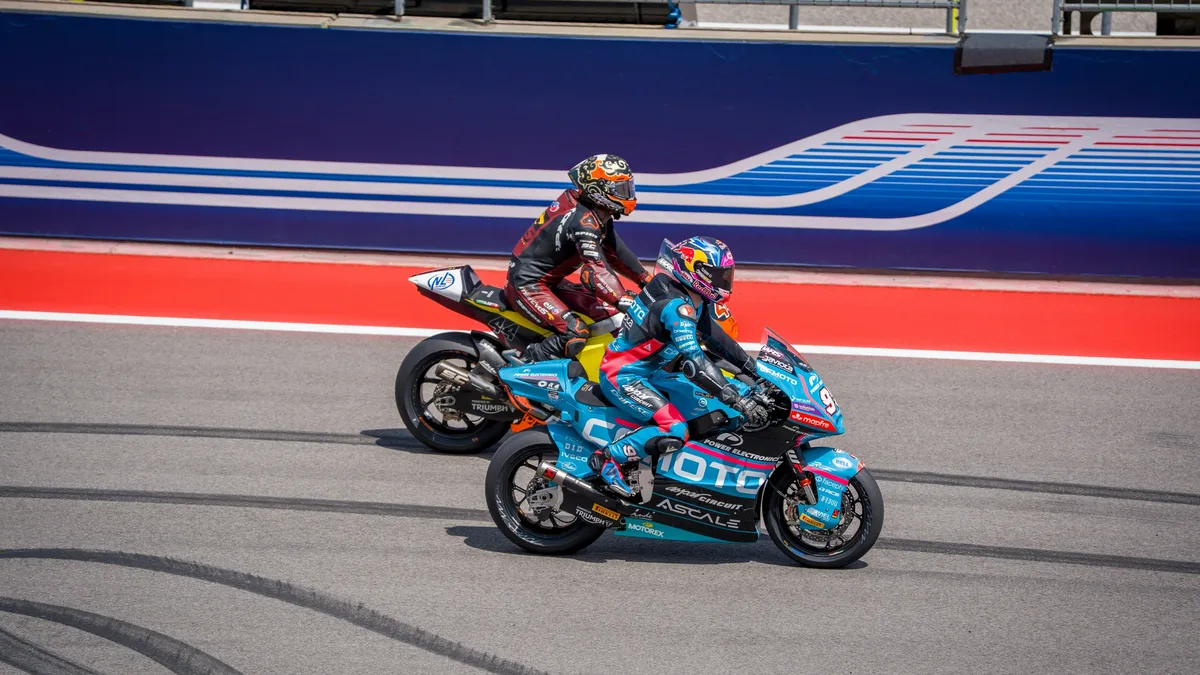
Pirelli Completes 2027 MotoGP Tire Test in Austria
Pirelli has conducted a major development test for its 2027 MotoGP tires at the Red Bull Ring, involving 18 riders from all manufacturers.
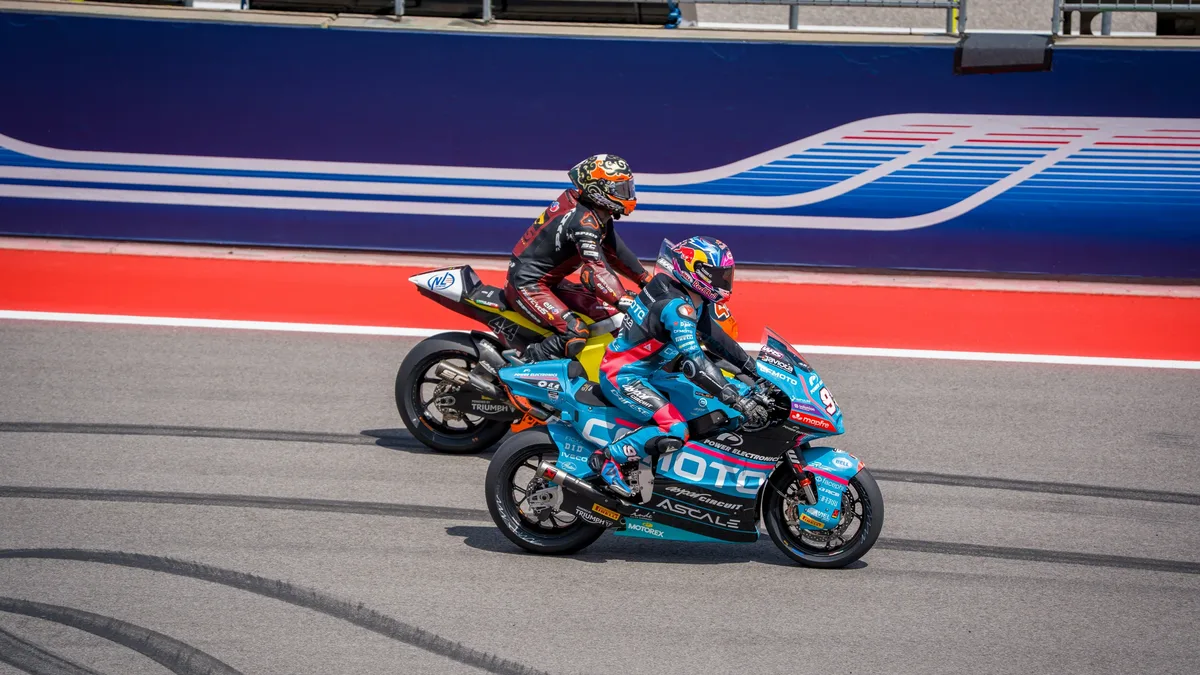
Pedro Acosta Wins First MotoGP Race in Austria
Pedro Acosta took his maiden MotoGP victory at the Austrian Grand Prix, beating Jorge Martin by 1.017 seconds.
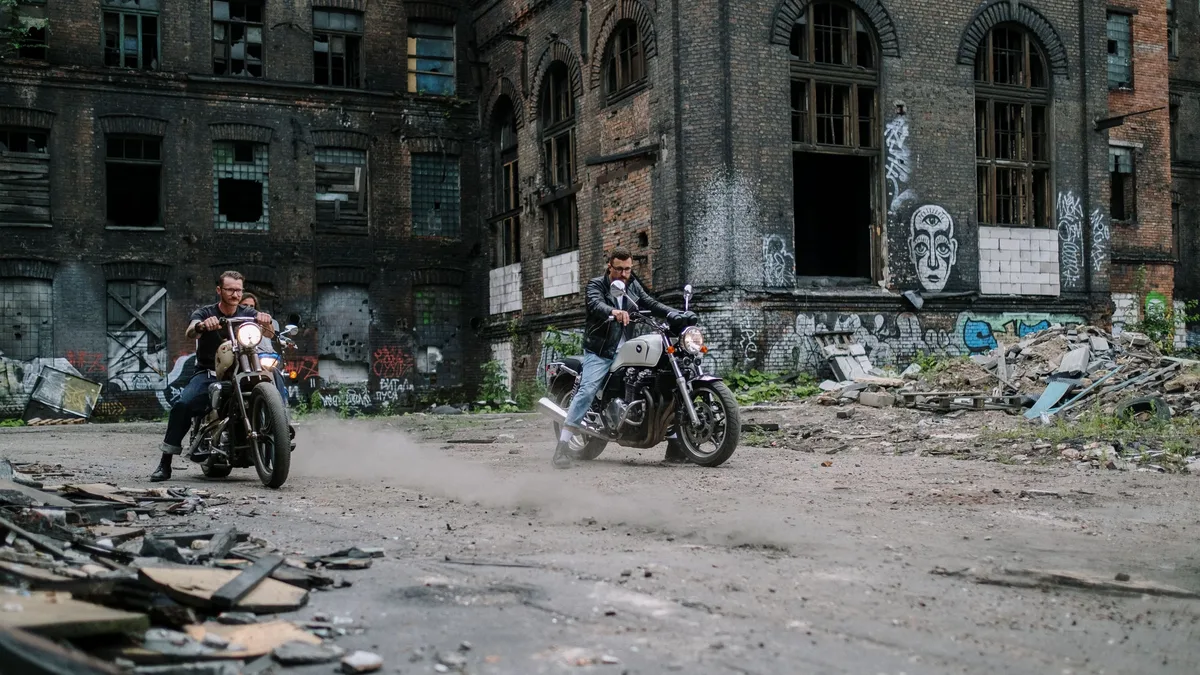
Norway Adopts Motorcycle Safety Markings Inspired by Scotland's PRIME Scheme
Norway is introducing motorcycle-specific road markings to improve rider safety, following the success of similar schemes in Scotland and Austria.